
Europe
Europe
Quick look at the continent
Europe is a continent of contrasts, where the landscape, culture, and pace of travel can change dramatically in a short amount of time. That is exactly what makes it appealing both for short city breaks and for longer journeys across regions and countries.
Some trips stay with you because of the cities, others because of the mountains, the coastline, the food, or simply the feeling of being in the right place at the right time. Most countries here use the euro, with two notable exceptions: the Czech Republic, which uses the Czech koruna, and England, or the United Kingdom more broadly, which uses pound sterling. But what truly makes Europe special is not the currency — it is the contrast between places, and how quickly a journey can take on a completely different character.
It is also useful to know that the Schengen Area includes 29 countries, where internal border checks are generally removed. In practice, that often means easier movement between countries and much more freedom when planning a route.

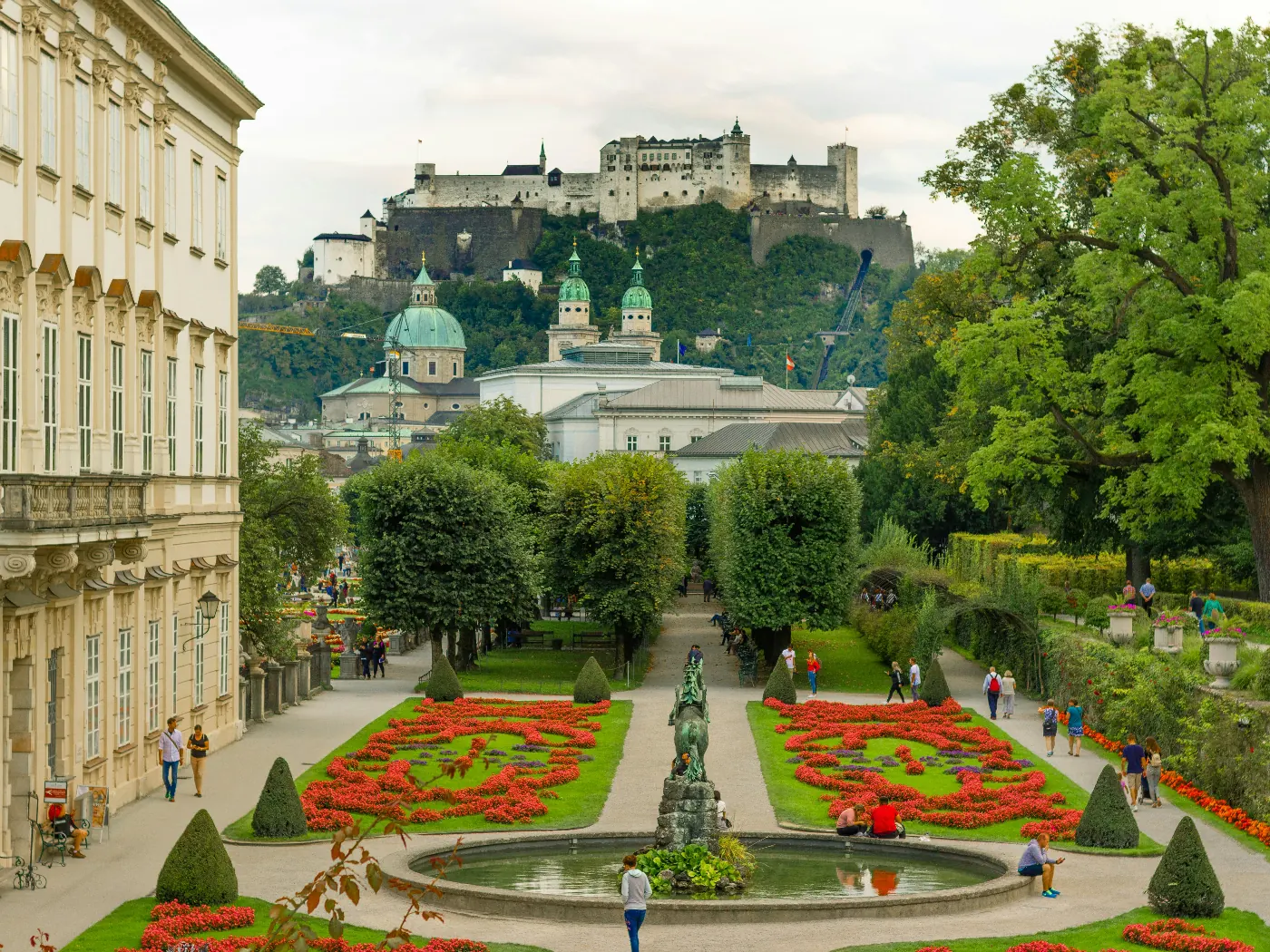
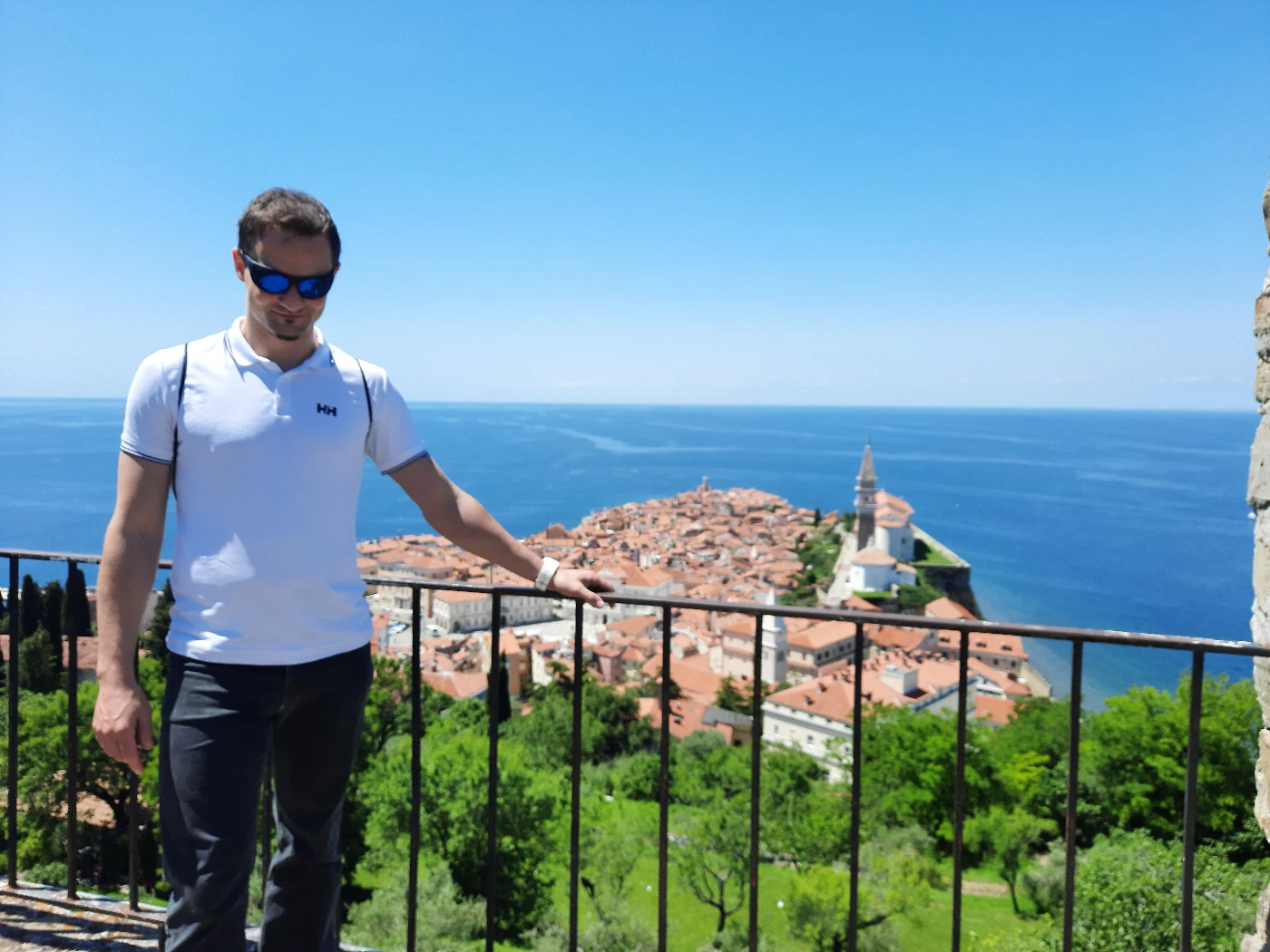
Guide to Europe
Europe is compelling not only because of how many countries it includes, but because of the striking variety of landscapes, cities, and cultural layers that shift even across relatively short distances. That diversity is one of the greatest strengths of traveling through the continent.
In the Alpine part of Europe, what stands out are the high peaks, lakes, scenic roads, and hiking trails most strongly associated with Austria, Switzerland, Italy, France, and part of Slovenia.
Central Europe leans more into walks through cities, squares, castles, and architectural styles shaped by different eras — from Roman times to the Middle Ages. Prague is one of the clearest architectural highlights, Brussels is strongly defined not only by history but also by Art Nouveau, while Slovakia stands out for the Tatras, where dramatic mountain scenery blends with the heritage of old towns and castles.
Further south, the Mediterranean side of Europe brings a different rhythm: more light, open squares, coastal towns, art, food, and the evening energy of the streets. Italy stands out for its exceptionally rich cultural heritage and historic cities, while Spain offers a wide range that stretches from landmarks and art to lively culture, fiestas, and a varied coastline. England also has its own recognizable European character: historic towns, green landscapes, and a strong sense of tradition that fits naturally alongside the urban rhythm of London and other major centers.
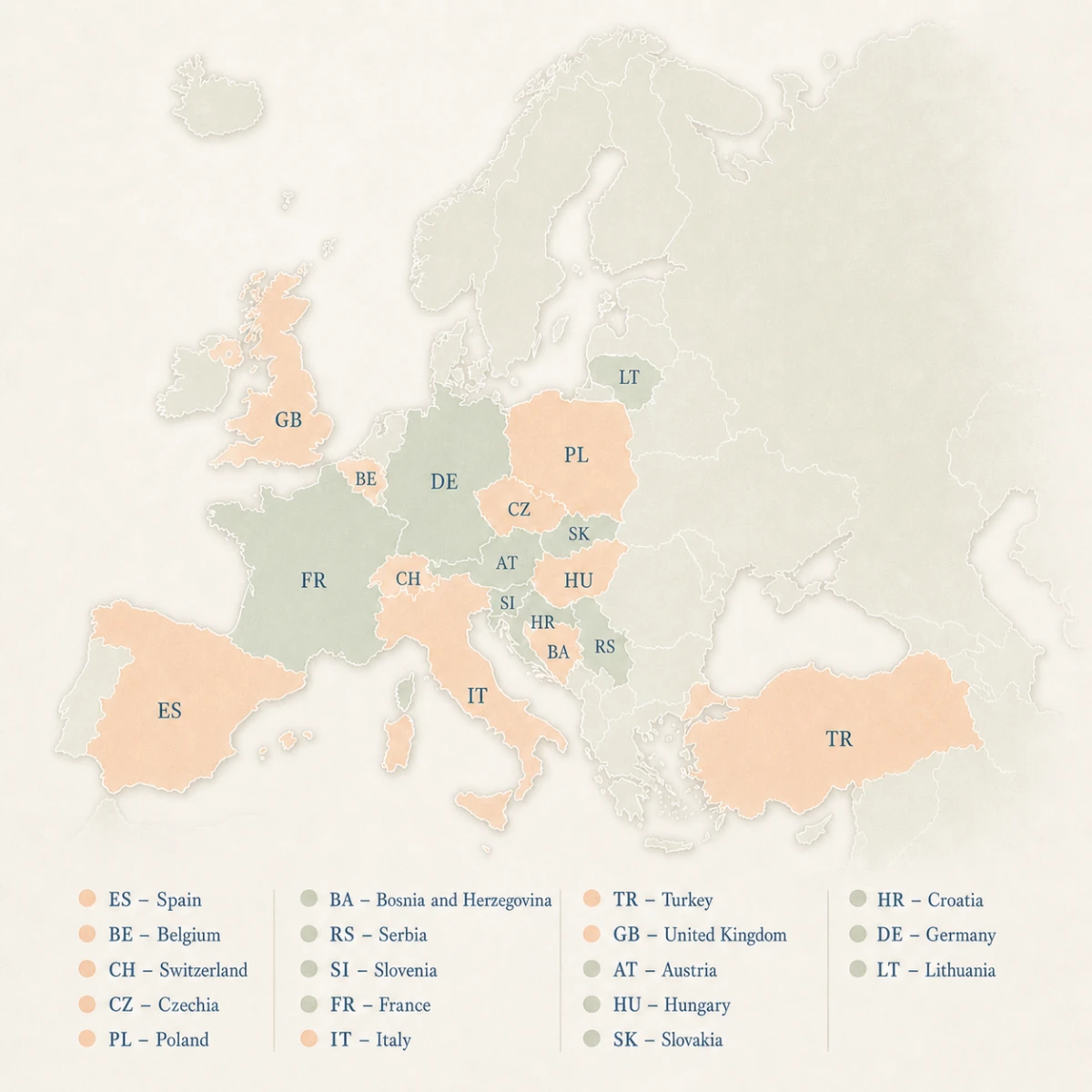
Europe itineraries
4 days · One short side trip
For a first trip to Europe, the easiest setup is usually one base and as few hotel changes as possible.
That gives you more time for the place itself and less time spent checking in and out, figuring out connections, and working around transit schedules. It works especially well on shorter trips, where every transfer can take more time than it seems on paper.
- Ideal setup: 1 base, 3 nights, 1 easy day trip.
- Pace: arrival, 2 full days, 1 flexible day for an excursion.
- Good fit: Brussels and Leuven, Vienna, or Prague with one extra outing.
7 days · 2 bases
For a trip of about a week, the most reliable rhythm is usually one or two bases.
You get more time to actually enjoy the destination, while less of the trip goes to hotel changes, transfers, and coordinating transportation between stops. A week is long enough for more than one place, but still short enough that an overambitious route can quickly feel rushed.
- Ideal setup: 2 bases, around 3 nights each.
- Pace: one bigger city plus one smaller region or nearby second city.
- Good fit: Belgium with Brussels and Leuven, northern Italy, or Bavaria with Salzburg.
10 days · 3 stops
On a 10-day trip, it quickly becomes clear whether your stops are actually connected in a logical way.
In Europe, time is not only lost in the drive or train ride itself, but also in transfers, station changes, check-in and check-out, and the occasional delay along the way. With ten days, a clear route logic usually matters more than simply adding more places to the list.
- Ideal setup: 2 main bases and 1 shorter stop.
- Pace: a city, a region, and a final stretch in another city or somewhere closer to nature.
- Good fit: Brussels, the Alps, or a mix of cities, lakes, and nature.
14 days · One region or 2 countries
Two weeks in Europe gives you room for a rewarding trip, but it still makes sense to build in some breathing space.
Time does not go only to travel itself, but also to getting to stations or airports, checking in and out, adjusting to the weather, and dealing with the unexpected. That is why, for 14 days, one region or two well-matched countries usually works better than trying to squeeze in too many countries at once.
- Ideal setup: 3 to 4 bases at most.
- Pace: larger cities as anchors, with slower stretches in between.
- Good fit: northern Spain, or the Alps with a city finale.
3 recommendations
- For 4–7 days, stick to 1–2 bases.
- For 10–14 days, every new stop should have a clear reason.
- If your trip includes the mountains, leave yourself one buffer day for weather and transportation.
Where next
If you are still putting the trip together, start with the basics: check your documents, health coverage, passenger rights, and how much time moving between places actually takes. Once that part is clear, it becomes much easier to choose the sights and stops that really make sense for the route.


Practical tips
Documents and entry rules
If you are an EU citizen traveling within the EU and through Schengen countries such as Iceland, Liechtenstein, Norway, and Switzerland, you can generally travel with a valid passport or national ID card. If you are not an EU citizen, check whether you need a visa and what passport validity rules apply to your trip.
- Always check: that your document is valid before you book anything.
- For families: children need their own travel document.
- For non-EU travelers: check visa requirements and passport validity rules before booking.
EHIC
The European Health Insurance Card (EHIC) is free and confirms that you are insured in one of the EU countries. It helps with medically necessary care in the public healthcare system, but it is not a replacement for regular travel insurance.
- EHIC covers: medically necessary healthcare in the public system.
- EHIC does not cover: private healthcare, transport back home, or lost luggage.
- For active trips: extra insurance is especially worth considering for hiking and more adventurous travel.
Calls and data in the EU
Within the EU, the “roam like at home” rule applies, which means calls, texts, and data are charged at your domestic rates. It is one of the most useful things when traveling, though it is still smart to check your provider’s policy if you have an unusual plan or are going outside the EU.
- Good to know: the rule applies within the EU/EEA, but not automatically everywhere outside it.
- Before you leave: check your data limits and fair-use policy.
- On a road trip: offline maps are still a smart backup.
Card or cash
In most of Europe, your card will work just fine, but there are still moments when having some cash helps: smaller cafés, rural areas, markets, public restrooms, or surprise fees along the way.
- Safest setup: two payment methods and a small cash reserve.
- Before you go: check foreign transaction and ATM withdrawal fees.
- On the ground: use ATMs where you can choose your options carefully.
Transportation
In Europe, getting from one place to another often takes longer than it looks on the map. Even if the train ride or drive is only two hours, the day can stretch out quickly because of hotel checkout, getting to the station or airport, waiting time, transfers, delays, and checking in again on the other side.
- For 4–7 days: fewer transfers almost always make for a better trip.
- For trains and buses: check the official source, not just one app.
- For more logistics: start with the basics of packing, costs, and transportation habits.
Hiking
If your trip includes mountains or more serious hiking, keep the plan less aggressive. Weather, terrain, and fatigue matter far more in the mountains than they do on an easy walk through town or a park.
- Fitness matters: in the mountains, do not plan only by mileage, but also by elevation gain, fitness, and your actual hiking pace.
- Gear: helmets, harnesses, crampons, and other technical equipment should meet reliable safety standards.
- Before heading out: check the forecast, route difficulty, and your exit options.








Camino
Along Europe’s routes
Some routes in Europe are not just about moving from one place to another, but about story, walking rhythm, and the feeling that you are part of something larger. For me, France and Spain are two countries where that feeling stands out especially strongly — which is also why they make such a natural entry point into the world of the Camino.

France
France is the best place to start if you want to ease into the Camino slowly — even before you reach the best-known Spanish stages. Here, the route does not begin with crowds of pilgrims, but with a morning town, the smell of bakeries, the first kilometers, a backpack on your shoulders, and the Pyrenees somewhere in the distance.
- Why click: because France shows the part of the Camino where the journey truly begins — with a decision, not with the destination.
- Who it’s for: for travelers interested in long routes, quieter stages, smaller towns, and the feeling of walking through a landscape.
- The feeling: a croissant and coffee in the morning, villages during the day, tired legs in the afternoon, and the awareness that Santiago is still very far away.
- Next step: France is the introduction to the Camino Francés — the route toward Saint-Jean-Pied-de-Port, the Pyrenees, and then Spain.
Spain
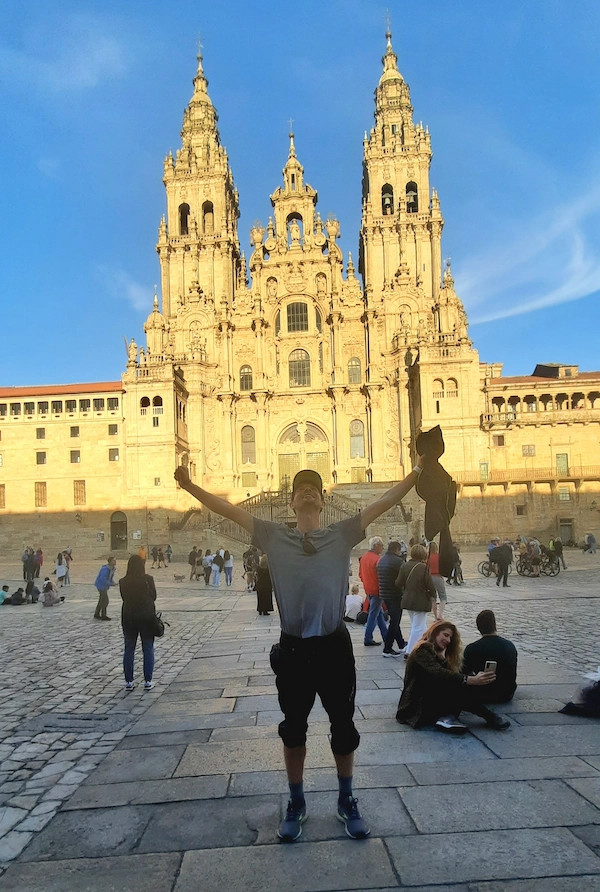
Spain is the part of the Camino where the route becomes most alive: yellow arrows, shells, albergues, morning coffee, daily kilometers, encounters with other pilgrims, and that unmistakable feeling. The Camino is no longer just an idea, but a daily rhythm of walking, decisions, fatigue, and small victories.
- Why click: because Spain is the heart of the pilgrimage experience — from Navarre and the Basque Country to Cantabria, Asturias, Galicia, and Santiago.
- Who it’s for: for those who want to experience the Camino from the inside: through the route, the people, the places to sleep, the waymarks, the food, and the everyday decisions.
- The feeling: a community of pilgrims, yellow arrows, tired legs, a bocadillo and coffee, evening calm, and the awareness that the destination is slowly becoming real.
- Next step: this is where the story of the Camino book naturally opens — from the first Spanish kilometers to the moment when the bagpipes lead you into the heart of Santiago.