England
England
London as a base for staying

England opened up to me through London – a metropolis that’s ideal for creating, all kinds of events and easy trips to local landmarks. I spent a month in Shoreditch, one of the city’s most creative areas, with excellent transport links (the Northern Line and Overground) and fast access to the centre. Exhibitions and intercultural networking evenings are relatively common in the city, and one of them took place at the Slovenian Embassy.
London is incredibly practical for travellers, but also expensive. Accommodation in the centre can quickly blow the budget, so it’s worth looking for rooms in shared flats, residences, or areas slightly outside the tourist core. Neighbourhoods like Shoreditch, Hackney, Greenwich or Shepherd’s Bush often offer a better balance of price, accessibility and quality of stay.

Windsor is the perfect contrast – a calmer pace, more greenery, and fewer crowds.
During my time in Shoreditch, I stayed in an artist residency available to artists through public calls from the Ministry of Culture. It’s a great solution for anyone who wants to stay longer and reduce rental costs.
This kind of arrangement is ideal for creators with clear goals; as alternatives, you can also consider Couchsurfing with trusted hosts or short-term rentals via Booking.
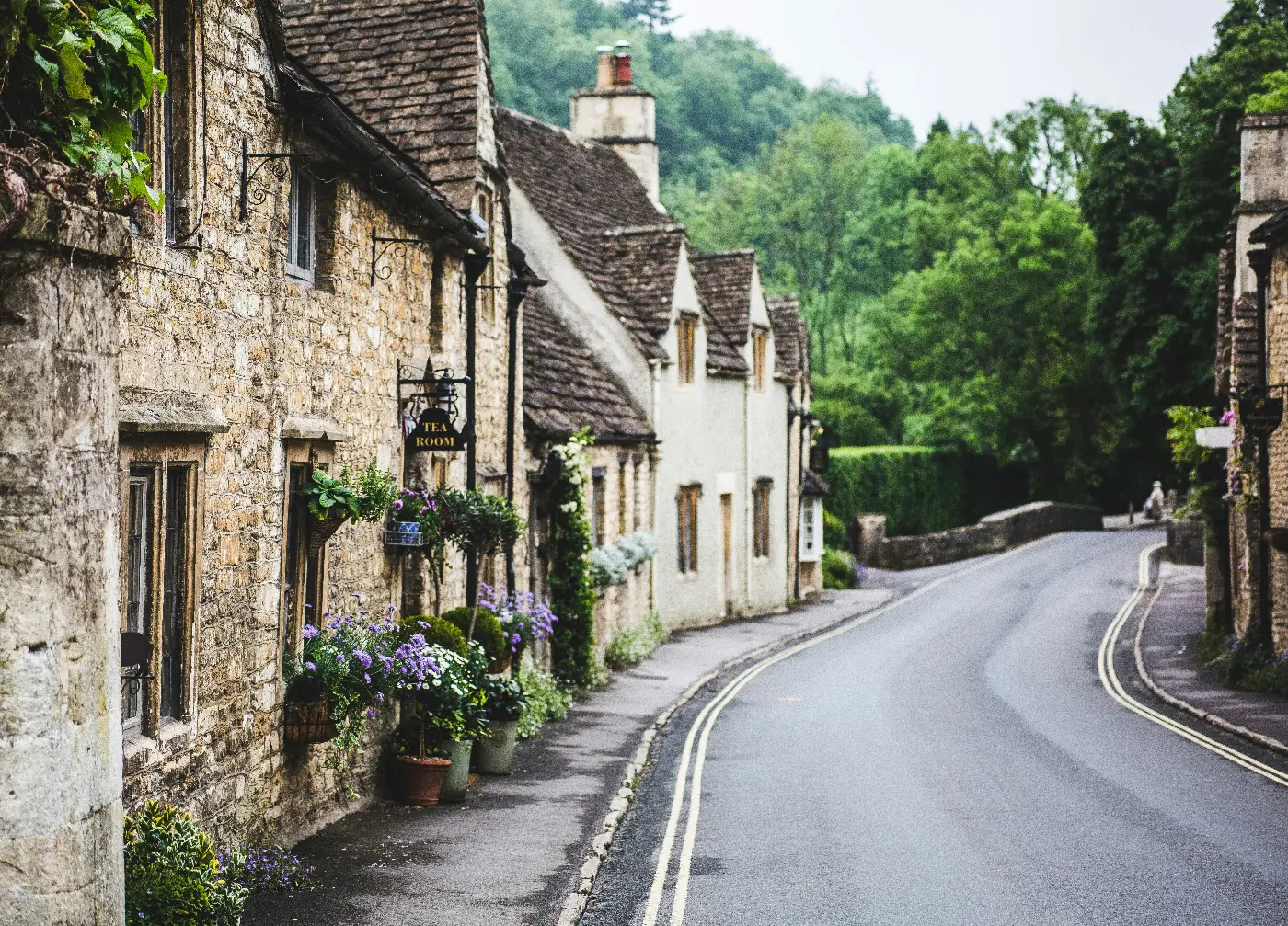
I also visited Windsor, which is easy to reach by train. It is a much calmer place, with riverside walks along the Thames and an authentic feel of the English countryside.
London, first-hand
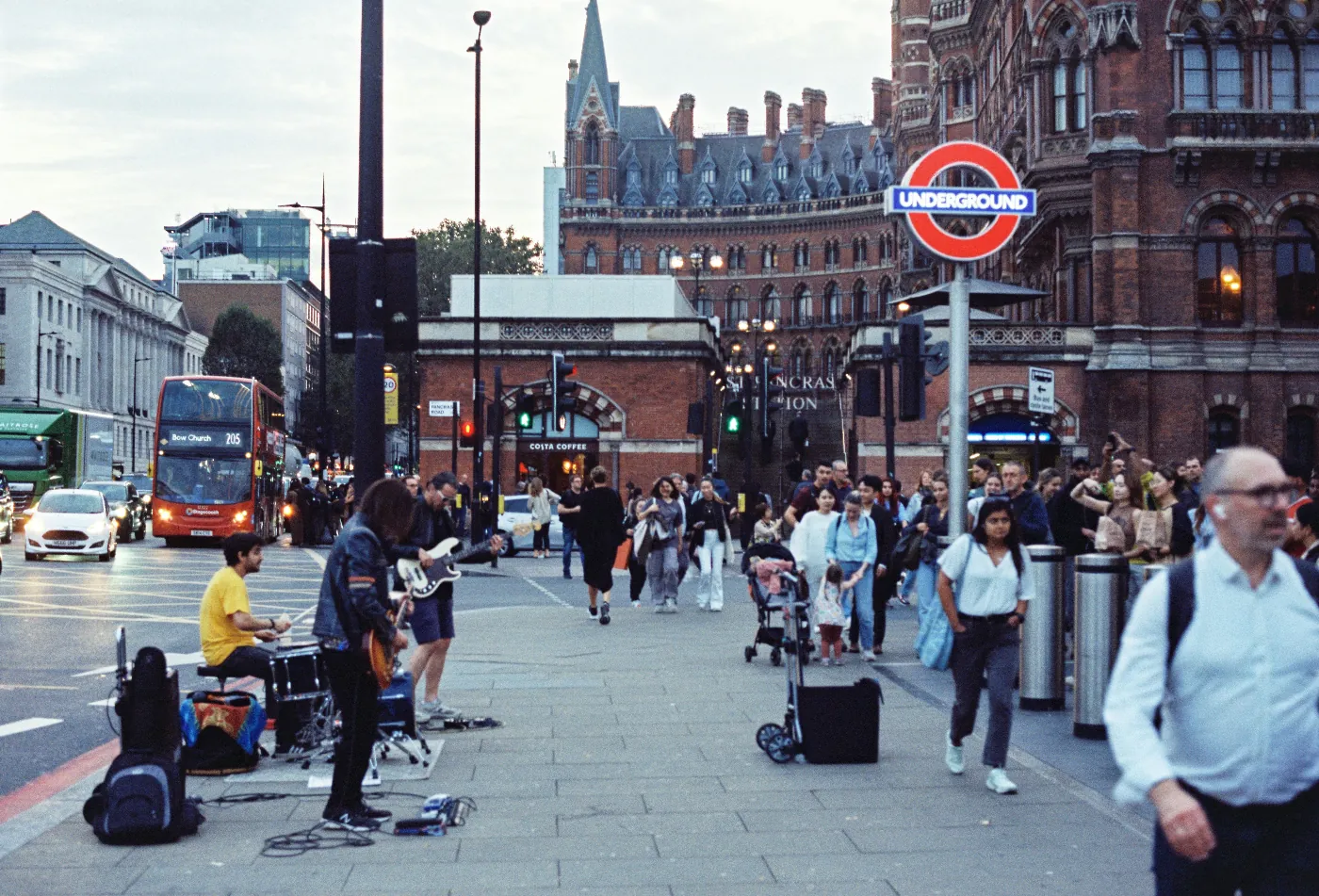
Guides and tips are useful, but you only really get London once you’re in its everyday rhythm. Logistical complications can happen, rides on the Underground (“the Tube”) at rush hour are reality, and nights are often long, ending late at night.
During my month-long stay, I gradually got to know this larger-than-life metropolis and wrote down experiences about arriving, everyday life in lively Curtain Road and taking part in the international event London Drum Show, an event that has unfortunately since disappeared from the festival calendar.
- Experience from the London Drum Show fair
Highlights

London
A city where it feels like every street has a world of its own. I experienced it as a mix of classics and everyday life, with walks, park visits and (un)planned exploring.
- A longer stay offers the chance to discover interesting corners of the city.
- The cultural scene is well developed and therefore a real mecca.
- Tradition is present at every step.
- With a bit of digging, you can discover “hidden” gourmet restaurants.

Music scene
UK has a strong and diverse music scene that goes beyond classic concert formats. Alongside big events, the city also offers specialised fairs, workshops and meetups that are interesting both for listeners and active musicians.
- Music nights and events for every taste.
- Ideal both for major concerts and intimate music evenings in selected venues.
- One of the biggest drum fairs in the world: London Drum Show.

City icons
Some venues have outgrown their original purpose and become city icons. Today they’re living intersections of events, architecture and experiences, constantly captured by phones and cameras.
- The iconic football stadium Wembley.
- Another iconic venue for all kinds of events — The O2 Arena.
- The “Millennium Wheel”, better known as the London Eye.
- One of the world’s most famous bridges — Tower Bridge.
Itineraries
3 days city tour
The city is large enough that three days disappear quickly between Westminster, river Thames, museums, parks, neighbourhoods and the evening atmosphere.
- Day 1: Westminster, Big Ben, Parliament, Westminster Abbey, Buckingham Palace and a walk towards Trafalgar Square.
- Day 2: Tower Bridge, Tower of London, Borough Market, Tate Modern or St Paul’s Cathedral.
- Day 3: Shoreditch, Camden, Notting Hill or Greenwich — choose one neighbourhood and actually experience it.
- Rhythm: one base, no day trip, as much walking as possible.
- Best for: a first feel for the city, the classics and everyday London.
- Tip: do not try to see everything in three days; London rewards slower neighbourhood-based exploring.
4 days · London + Windsor
With four days, you can add Windsor. It is one of the most logical and easiest trips from the city, giving you royal history and Eton – a much calmer pace.
- Days 1–2: classics — Westminster, Tower Bridge, South Bank, Borough Market and an evening walk along the Thames.
- Day 3: museums, Shoreditch, Greenwich or parks, depending on the weather and your interests.
- Day 4: Windsor Castle, a walk by the Thames and, if it fits, Eton.
- Train: Paddington–Windsor & Eton Central can take around 25 minutes on the fastest services with a change.
- Another option: Waterloo–Windsor & Eton Riverside is more direct, but usually slower.
- Best for: a first visit to England.
5 days
If you have five days, add museums, neighbourhoods, a music evening, a market and trip to Greenwich. The city starts to feel less like a bucket-list experience and more like a place to live in – for a while.
- Day 1: Westminster, Buckingham Palace, St James’s Park and an evening in Covent Garden or Soho.
- Day 2: Tower Bridge, Tower of London, Borough Market, Tate Modern and South Bank.
- Day 3: British Museum, Science Museum, Natural History Museum or V&A.
- Day 4: Shoreditch, Spitalfields, Hackney, Camden or Notting Hill.
- Day 5: Windsor, Greenwich or a day without a strict plan.
- Best for: visitors who want to experience the city.
- Recommendation: leave at least one evening for a concert, pub, theatre or spontaneous wandering.
- Before departure: accommodation location and daily transport choices reflect on your budget, so check the travel tips before booking.
7 days · London + Oxford or Cambridge
Windsor is the easiest option, while Oxford or Cambridge add an academic, more classically English feeling.
- Days 1–4: main sights, museums, parks, markets and at least one neighbourhood outside the strict centre.
- Day 5: Windsor as an easy day trip.
- Day 6: Oxford or Cambridge.
- Day 7: Greenwich, Richmond, Hampstead Heath or a slower final day.
- Oxford: from Paddington, the fastest trains take around 45–52 minutes.
- Cambridge: from King’s Cross, the fastest trains take around 49 minutes.
- Tip: do not squeeze Oxford and Cambridge into the same day; choose one and give it space.
7–10 days
If you want to expand England beyond London, Bath is a very good choice. Roman heritage and Georgian architecture offer the feeling of a completely different world.
- Days 1–4: classics, museums, Shoreditch or Greenwich.
- Day 5: Windsor or Oxford.
- Days 6–7: Bath — Roman Baths, Royal Crescent and Pulteney Bridge for a slower city rhythm.
- Days 8–10: if it fits, Cotswolds, Stonehenge or return for an extra museum day.
- Train: Paddington–Bath Spa can take around 1 h 19 on the fastest GWR services.
- Best for: if you want to add history and architecture.
- Tip: Bath is better with an overnight stay than as a rushed day trip.
3 recommendations for a better plan
England can quickly look easy because distances on the map seem short. In practice, time goes into airports, the Underground, transfers and crowds.
- For 3–4 days, just for exploring London.
- For 5–7 days, add no more than one or two day trips: Windsor, Oxford, Cambridge or Brighton.
- For 7–10 days, consider one extra base, such as Bath, Oxford or the coast.
- In London, always expect to walk a lot every day, even if you use the Underground.
- If you are still building the trip, open the travel tips before finalising the plan, especially the parts about costs, transport and a realistic travel rhythm.
How to get around

Oyster
The easiest option is to use a contactless bank card, phone or Oyster card. The system automatically calculates daily and weekly caps, so most visitors do not need to buy individual paper tickets.
- Bus/tram: a single journey costs £1.75.
- Hopper fare: for £1.75, you can make multiple bus or tram journeys within one hour.
- Bus/tram daily cap: £5.25.
- Zone 1–2 daily cap: £8.90 for pay as you go.
- Practical: always use the same card or the same phone for all journeys, otherwise the system will not calculate the cap correctly.

Tube and Overground
The Underground is city’s backbone, but it is not always the most pleasant option. At rush hour, crowds can be tiring, and some central distances are shorter on foot than they look on the Tube map.
- Tube: most useful for longer moves and connections between zones.
- Overground: excellent for areas such as Shoreditch, Hackney, Dalston and Camden connections.
- Elizabeth line: very useful for Heathrow, Paddington, Tottenham Court Road, Liverpool Street and east London.
- Walking: in the centre, it is often the best part of the day; do not underestimate distances, but do not take the Tube for every single stop.
- Apps: Citymapper, TfL Go or Google Maps are enough for a first visit.

Airports and arrival
London has several airports, so when buying a ticket, do not look only at the flight price. Stansted and Luton are common with low-cost airlines, while Heathrow and Gatwick have very strong rail connections into the city.
- Stansted: Stansted Express to Liverpool Street takes around 48 minutes and to Tottenham Hale around 36 minutes.
- Luton: Luton Airport Express to St Pancras can take from 32 minutes, followed by the DART connection to the terminal.
- Gatwick: Gatwick Express to Victoria usually takes around 31–32 minutes.
- Heathrow: use Heathrow Express, Elizabeth line or Underground depending on price and destination.
- Tip: for very early or late flights, check night connections, not only the fastest daytime options.
Ideas
What to do?
- Shoreditch/Hackney: street art, great coffee, and social nights.
- Greenwich: parks and open space for recreation.
- London Eye for a panoramic city view.
- Notting Hill/Camden: colourful streets and Portobello Market.
For musicians
A music mecca
Here, something happens every night, everywhere and very close by. At The Blues Kitchen Shoreditch I caught an amazing concert by Michelle David & The Gospel Sessions, a band whose infectious gospel and soul energy fills the room within a few bars. The club is known for putting live music front and centre.
Even more intimate was a drummers’ night at Hideaway, a place where jazz, funk and groove get time and space. Hearing masters such as Colin Woolway, Darrin Mooney and Vince Dunn in selected company is a special feeling.
All of this is yet another reason why London isn’t just inspiration but a real lesson. The drum scene there isn’t distant, but open, alive and connected. It was at the London Drum Show that I met Colin Woolway and gave him my drum handbook, which later also led to an invitation to a drummers’ night at Hideaway.
For the curious
Best museums in London

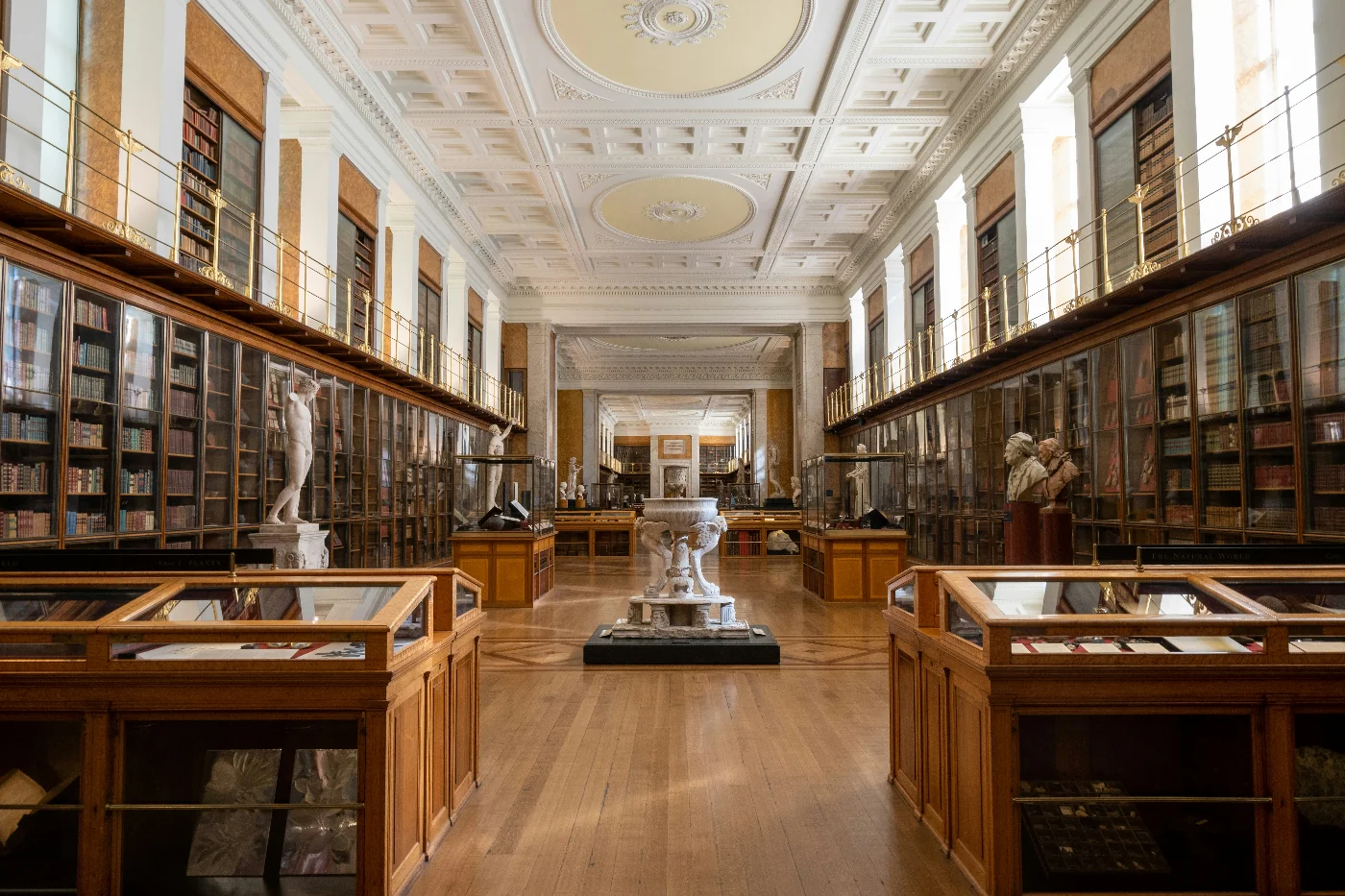
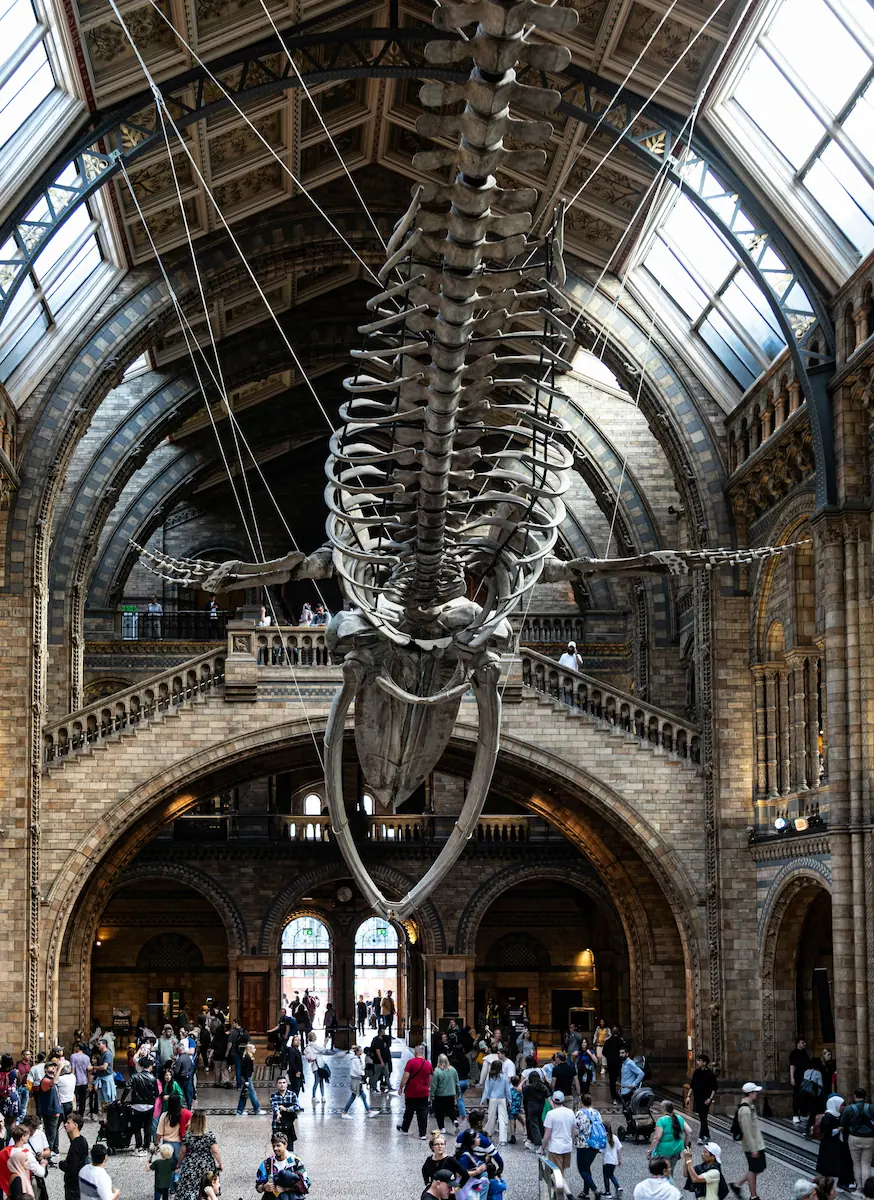
It is one of the rare cities where you can switch from history to science, from art to design and from the past to the future in a single day. Most key museums are free, so you can also visit them spontaneously — for an hour or two.
-
British Museum
Holds more than 8 million artefacts from around the world — from Egyptian mummies and the Rosetta Stone to ancient sculptures. Because it’s so vast, it makes sense to pick one or two collections and take your time. -
Tate Modern
A modern art museum in a former power station on the Thames, with a permanent collection and major temporary exhibitions. The architecture and the views around the museum are a bonus. -
Natural History Museum
A city`s icon with a spectacular building and one of the world’s largest natural history collections. Favourites include dinosaurs, fossils, minerals and interactive exhibits about natural phenomena. -
Science Museum
A museum of technology, science and innovation with more than 300,000 items on display — from space modules to the history of medicine. Very suitable for children in age and at heart.
Practical
England is very well connected logistically, but it requires some preparation: UK is no longer part of the EU, London has its own traffic rules, public transport works excellently, and a car in the city is more of a burden than an advantage.
Documents
For a tourist visit to the UK, a valid passport and an Electronic Travel Authorisation, or ETA. A national ID card is no longer enough for most standard tourist visits.
- Passport: your document must be valid for the whole stay.
- ETA: required for tourism, family visits and some other short stays.
- ETA cost: £20 on the official GOV.UK website.
- Validity: an ETA allows multiple journeys, usually up to 6 months per visit, for up to 2 years or until the passport expires.
- Children: every traveller needs an ETA, including babies and children.
Trains for day trips
For Windsor, Oxford, Cambridge, Brighton and Bath, the train is usually a better choice than a car. You avoid heavy traffic, parking, driving on the left and city restrictions.
- London–Windsor: fastest services to Windsor & Eton Central from Paddington can take around 25 minutes with a change; from Waterloo to Windsor & Eton Riverside it is often around 55 minutes.
- to Oxford: fastest services from Paddington take around 45–52 minutes.
- to Cambridge: fastest services from King’s Cross take around 49 minutes.
- to Brighton: fastest services take around 58 minutes to about 1 hour.
- to Bath: fastest GWR services from Paddington take around 1 h 19.
- Railcard: if you plan several train trips, check Railcard options; many offer up to 1/3 off selected fares.
Train or car?
You do not need a car in London. For most first visits, the best combination is public transport, walking and trains. A car becomes useful only for the Cotswolds, countryside, smaller scattered places or a longer England road trip.
- Without a car: London, Windsor, Oxford, Cambridge, Brighton, Bath.
- With a car: Cotswolds, countryside, coastal villages, scattered places and multi-day road trips.
- In London: traffic, parking, Congestion Charge and ULEZ quickly make a car expensive and impractical.
- Practical: for a first visit to England, choose trains rather than renting a car at the airport.
Driving in London
If you still drive into London, check two things first: the Congestion Charge for the central zone and ULEZ for emission standards. This is not something to solve casually on the way, because costs and penalties can add up quickly.
- Congestion Charge: £18 per day if paid in advance or on the same day.
- Late payment: £21 if paid by midnight on the third day after travel.
- Hours: 07:00–18:00 Monday to Friday and 12:00–18:00 on Saturdays, Sundays and bank holidays.
- ULEZ: if the vehicle does not meet emission standards, the daily charge is £12.50.
- Rental car: a violation can also bring an administration fee from the rental company.
Driving tips
UK driving rules are clear and the penalties are not symbolic. Seat belts are mandatory, and using a handheld phone or similar device while driving is punished with points and a fine.
- Seat belt: the fine can be up to £500 if you do not wear one when required.
- Children: the driver must make sure children use the correct child seat or seat belt.
- Handheld phone: £200 fine and 6 penalty points for holding and using a phone, tablet or similar device while driving.
- New drivers: if you passed your driving test in the last two years, 6 points can mean losing your licence.
- Hands-free: even hands-free use can be a problem if it means you are not in proper control of the vehicle.
Money, cards and costs
England uses the pound sterling. London is expensive, and the budget rises fastest through accommodation, public transport, coffee, pubs, concerts and paid tickets. Cards are widely accepted, and you usually need less cash than in many other countries.
- Currency: pound sterling.
- Payments: card or phone is enough in London almost everywhere.
- Backup: a small amount of cash is still useful for small places, markets or unexpected situations.
- Accommodation: usually the biggest cost; also check neighbourhoods outside the strict centre if they are well connected.
- Museums: many major museums are free, but special exhibitions are often paid.
Health and insurance
For a visit to the United Kingdom, arrange travel insurance. The European Health Insurance Card can be useful if you are entitled to use it, but it is not a replacement for travel insurance.
- Recommendation: arrange travel or health insurance for the whole trip.
- EHIC: take it with you if you are entitled to use it in the UK.
- It does not cover everything: private healthcare, trip cancellation, lost luggage or repatriation.
- Practical: save your policy number and assistance contact, not only a PDF in your email.
Phone, electricity and everyday basics
After Brexit, roaming in the United Kingdom is not as automatic as roaming within the EU. Before departure, check your mobile plan, especially if you will use navigation, Citymapper, maps or tethering a lot.
- Phone: check roaming costs with your operator before travelling.
- eSIM: a useful backup for longer stays or heavier data use.
- Electricity: type G plugs are used, so you need an adapter.
- Voltage: 230 V, 50 Hz.
- Practical: offline London maps help when your battery or signal decides otherwise.
Emergency numbers
Save emergency numbers before the trip. In the United Kingdom, 999 and 112 work for emergencies, while 111 is important for non-emergency medical advice.
- 999: emergencies — police, fire, ambulance, coastguard.
- 112: European emergency number, also works in the UK.
- 111: NHS number for non-emergency medical advice.
- 101: police for non-emergency matters.
- Practical: for health problems that are not life-threatening, do not call 999; check 111.
Photo gallery
Snapshots