Czech Republic
Czech Republic
Guide to Czechia
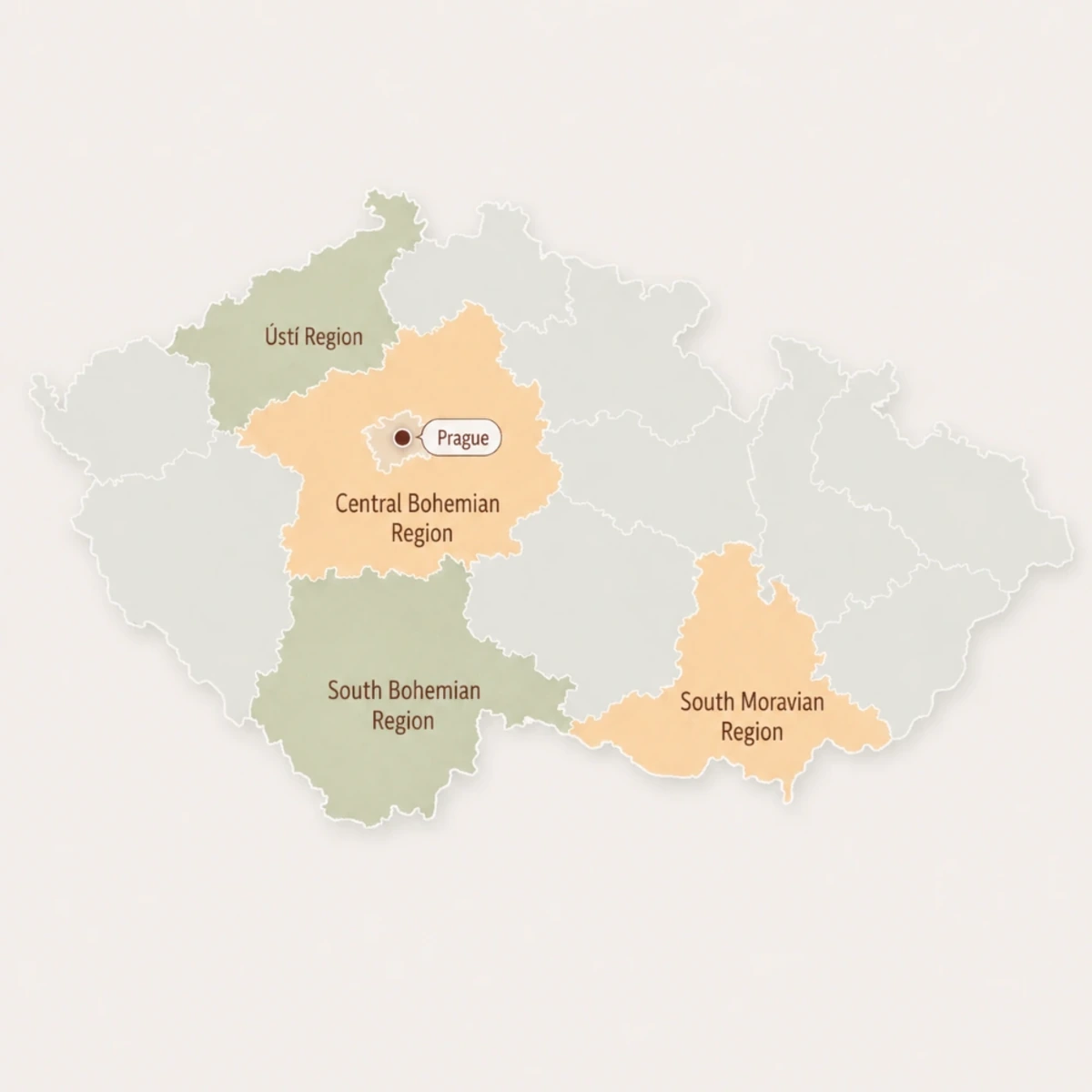
Prague is its own region and the most natural first contact with the country. The city’s main layers show up quickly between Hradčany, Malá Strana, Charles Bridge and Old Town Square. Prague also works well as a base because day trips into the surrounding regions are easy to arrange.
Around the capital lies the Central Bohemian Region, one of the most useful areas for shorter trips. Mladá Boleslav adds the Škoda automotive story, Nižbor brings in Rückl and Czech glassmaking, while Kutná Hora carries the country’s medieval silver history. Thanks to its silver mines, Kutná Hora developed from the late 13th century into one of the most important towns of the Czech lands, and today most visitors connect it with St. Barbara’s Church and the Sedlec Ossuary.
In the south, the South Bohemian Region naturally slows the trip down. České Budějovice has a strong brewing identity and Budvar, while Český Krumlov is one of the most picturesque places in the country.
The South Moravian Region shows a different Czechia, with a more rural feel. Brno is the largest urban center in this part of the country, while Valtice is the most natural gateway into the wine story, with the Wine Salon of the Czech Republic set inside the castle cellars.
For a nature-focused stop, the important northern region is the Ústí Region. This is where Bohemian Switzerland adds sandstone cliffs, forests, gorges and Pravčická brána, the largest natural sandstone arch in continental Europe. With Prague, Central Bohemia, the south, Moravia and the northern nature regions, Czechia works best as a short but very varied trip.
Cities & stops
The focus is not only on Prague. It is exactly the combination of the capital, breweries, industry, and smaller historic towns that makes the Czech Republic so good for different kinds of trips.
Prague
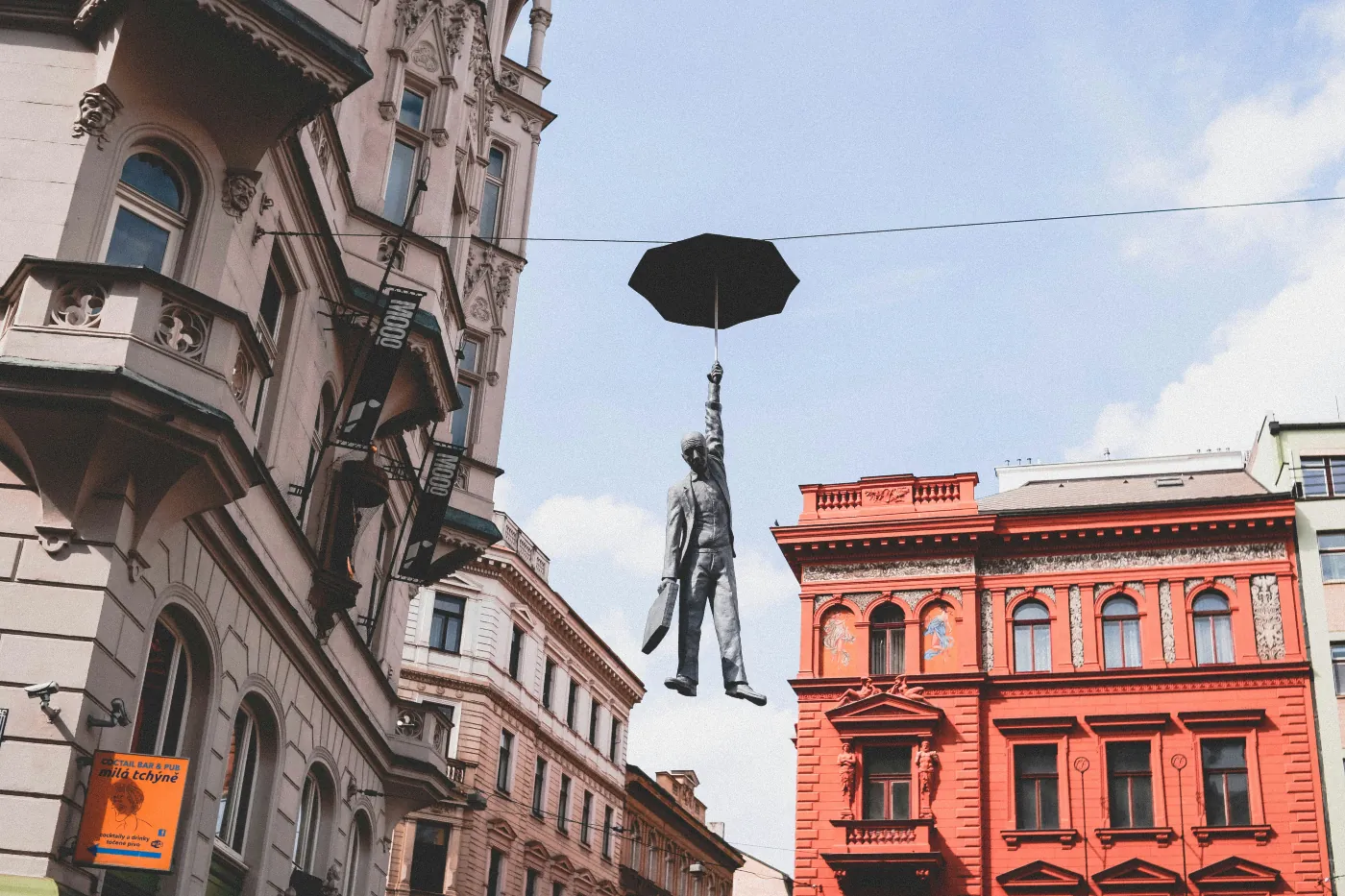
Prague is one of Europe’s classics. It is monumental enough to give you a real sense of history, and still lively enough that it never feels like just a backdrop. A walk through the old center quickly lines up Charles Bridge, Old Town Square, the Astronomical Clock, views from Hradčany, small passageways, and places where the day naturally turns into evening.
If this is your first visit, the smartest way to begin is at Prague Castle, then walk down toward Malá Strana and across Charles Bridge into the Old Town. Prague is also great because it does not force you into one single rhythm. After the classic sightseeing route, you can experience it more your own way: with a view from Letná, a slow coffee in Karlín or Vinohrady, a walk around the less crowded Vyšehrad, or an evening by the Vltava, where the city shows a more local and relaxed side.
Český Krumlov
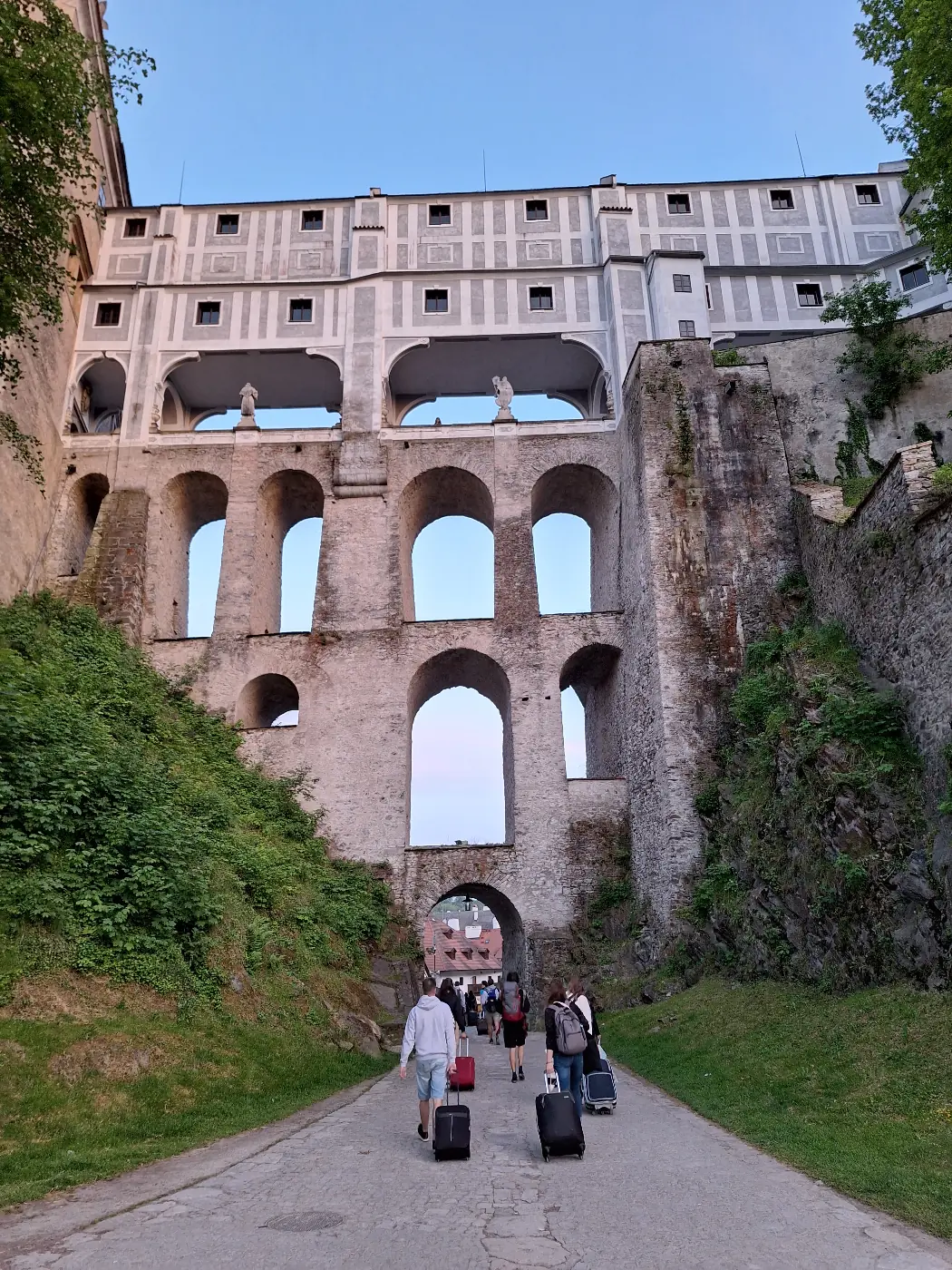
Český Krumlov feels like the movie version of a “Czech postcard.” Its UNESCO-listed historic center is wrapped by the meanders of the Vltava, while above it rises a mighty castle complex with a Renaissance tower that defines the wide view over the town. The best way to explore it is by walking through the castle courtyards, which are accessible year-round, and in summer through the castle garden. It is worth climbing the castle tower or visiting the castle museum, which comes to around 280 CZK.
Kutná Hora
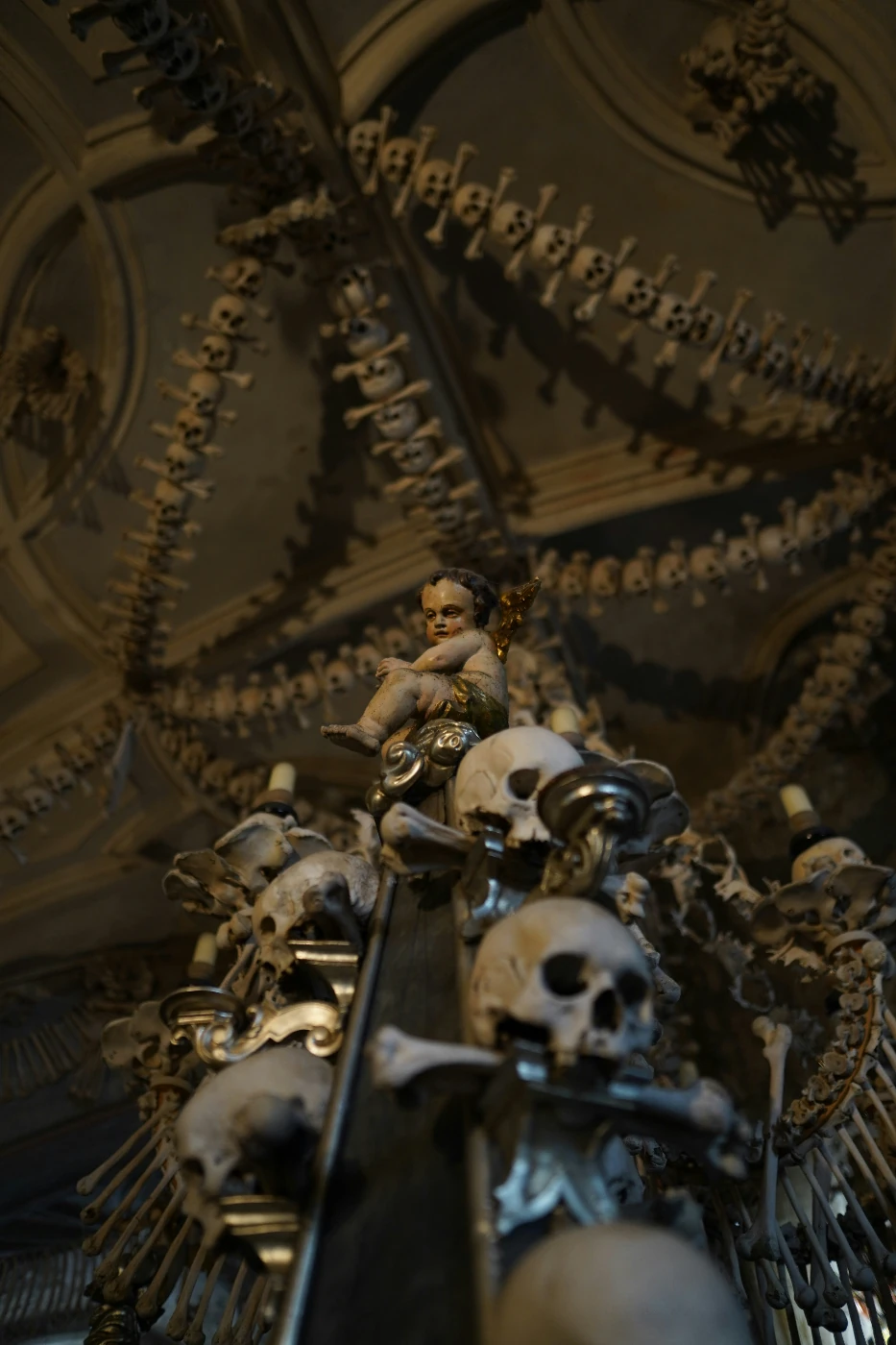
One of the best day trips from Prague, because in a relatively compact area it clearly shows why it was one of the most important Czech towns in the Middle Ages. The town’s development was directly tied to silver mining, which made Kutná Hora a royal town in the 14th century. Its best-known sight is the Sedlec Ossuary, where visits are tied to pre-booked time slots because of limited capacity, but the town is definitely not interesting only because of it — St. Barbara’s Church is considered one of the key examples of late Gothic architecture in Central Europe.
South Moravia
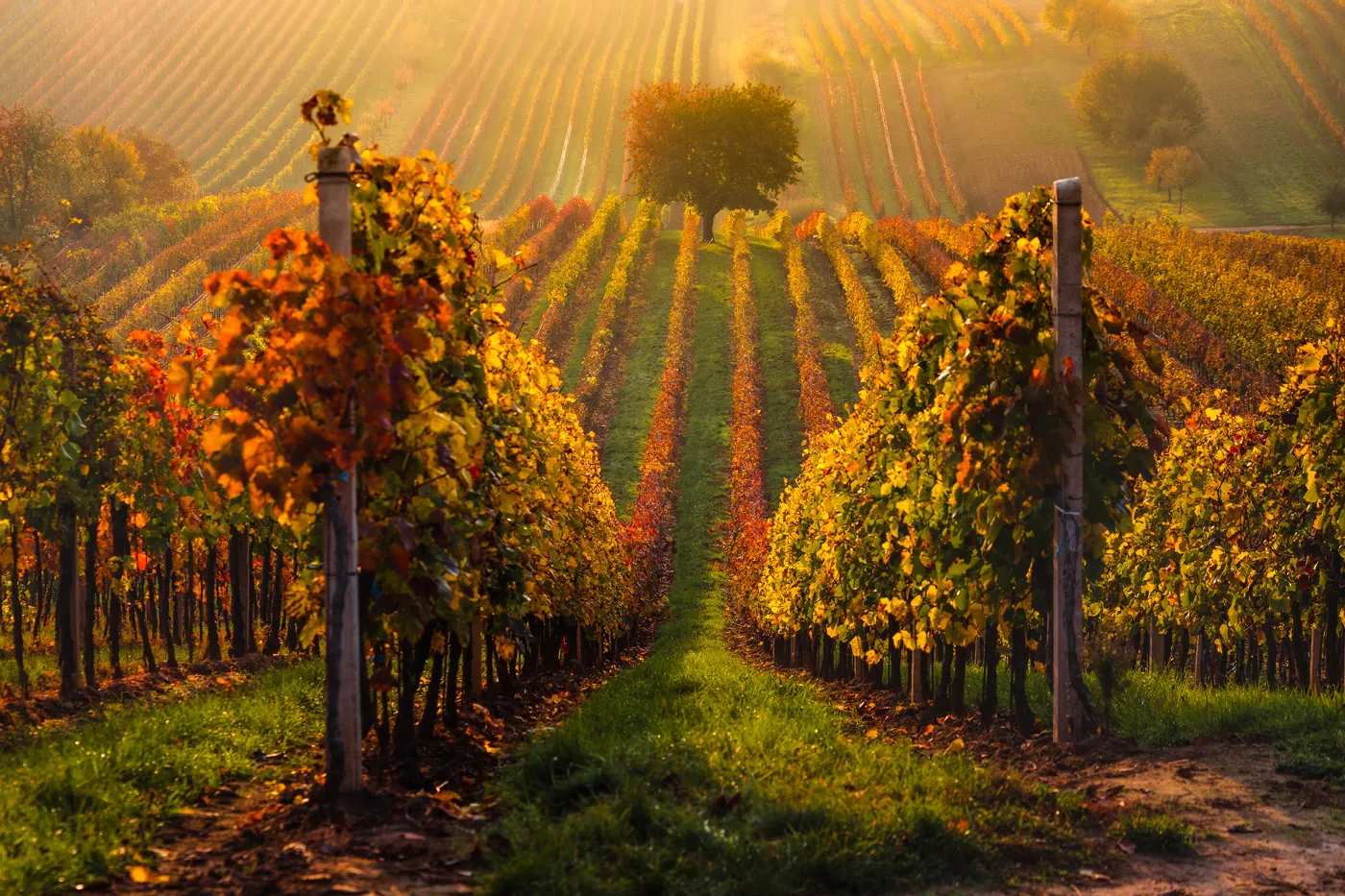
The Czech Republic is not only about beer. South Moravia is the country’s wine story and a great contrast to the more classic idea of Czechia. Vineyards, smaller towns, a slower pace, and Valtice as a very good gateway into the region.
Bohemian Switzerland
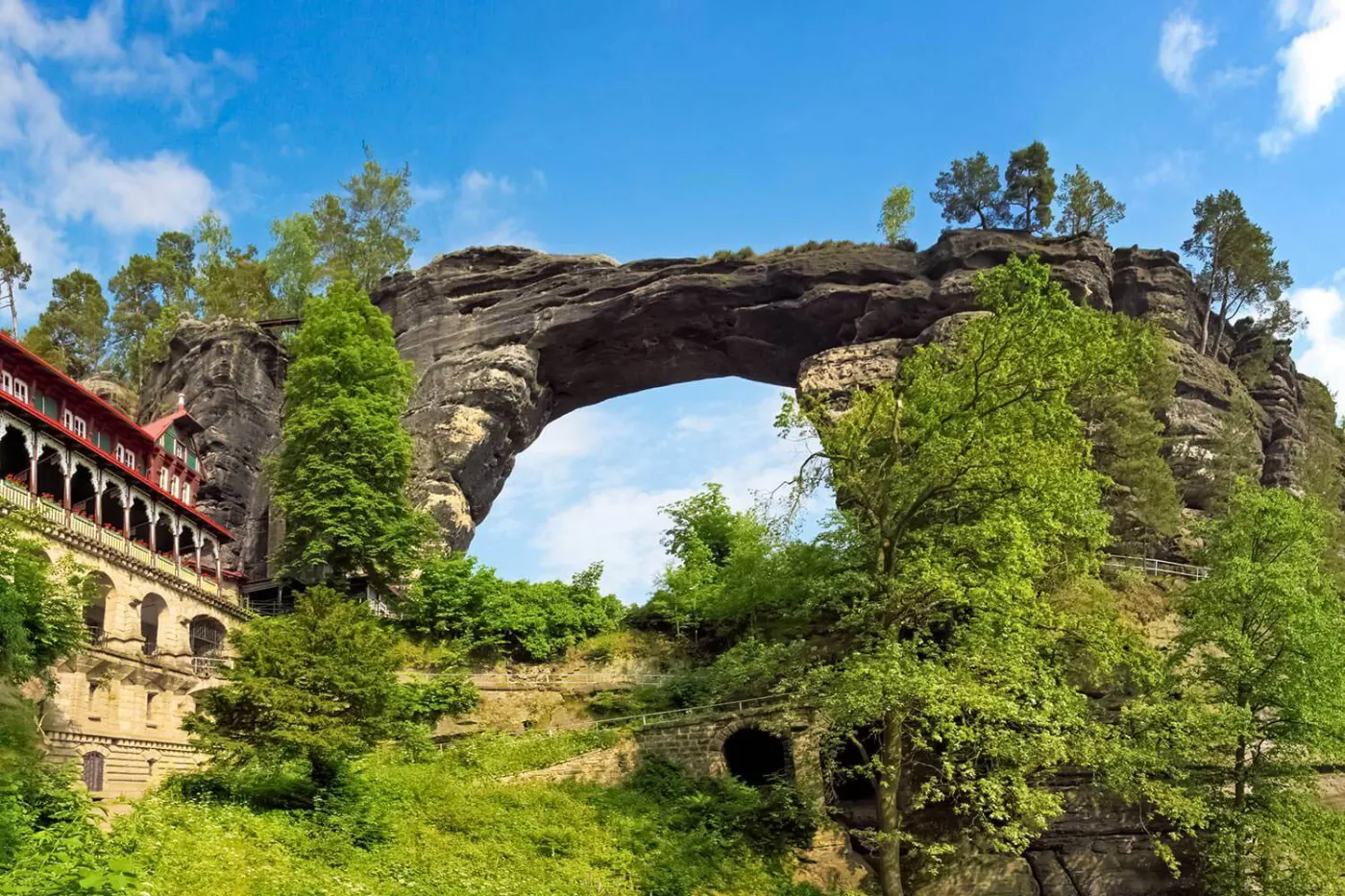
If you are drawn to northern-style landscapes, longer walks, and places where nature makes the strongest impression, Bohemian Switzerland will quickly hit the right note. Rock arches, gorges, forests, and scenic trails make it one of the most distinctive regions in the country.
Prague guide
What not to miss
Prague Castle is not just one attraction, but an entire complex, which is why it is worth getting to Hradčany early enough to have at least a little breathing room. From there, the route naturally opens toward St. Vitus Cathedral, Golden Lane, the steps down to Malá Strana, and then onward across Charles Bridge into the Old Town.
In Old Town Square, you catch the Astronomical Clock, which is a symbol of the city for a reason. If you are in the right rhythm, you do not just check it off as “one hour, one show,” but use it as an anchor for the whole center. In between, it is worth stopping by the Lennon Wall, heading to a viewpoint, or simply letting the side streets carry you along.
- Prague Castle and Hradčany – start early, because the complex is large and fills up quickly.
- St. Vitus Cathedral – one of the main highlights of the castle, so give yourself time for the interior too.
- Charles Bridge – at its best early in the morning or toward evening, when it is less crowded.
- Old Town Square and the Astronomical Clock – use it as the central point for exploring the Old Town.
- John Lennon Wall – a short, colorful stop on the way through Malá Strana.
The feel of Prague
What I like most about Prague is that it is both a capital-city “classic” and still varied enough to stay interesting. Its most famous spaces are tightly connected to the past. The Old Town Bridge Tower was designed as a symbolic triumphal arch for the coronation processions of Czech kings.
Charles Bridge is not just a beautiful view of the Vltava, but a place where you feel Prague’s history. This medieval stone bridge, whose construction began in 1357 under Charles IV, connects the Old Town with Malá Strana, with bridge towers and a row of thirty statues of saints along the way.
By day, Prague shows its urban side with a dense network of museums, galleries, theaters, and cultural venues. By evening, that same energy moves into bars, clubs, and the jazz scene.
If you like a livelier evening, the options are genuinely broad. One in particular stands out. Along the Vltava, Náplavka is a popular spot where former riverside ice-storage spaces have been turned into bars, cafés, and smaller venues.
Škoda, Budvar and Rückl
Cars, beer, and crystal. These are exactly the kinds of stops that give a trip through the Czech Republic more character, tradition, and charm.
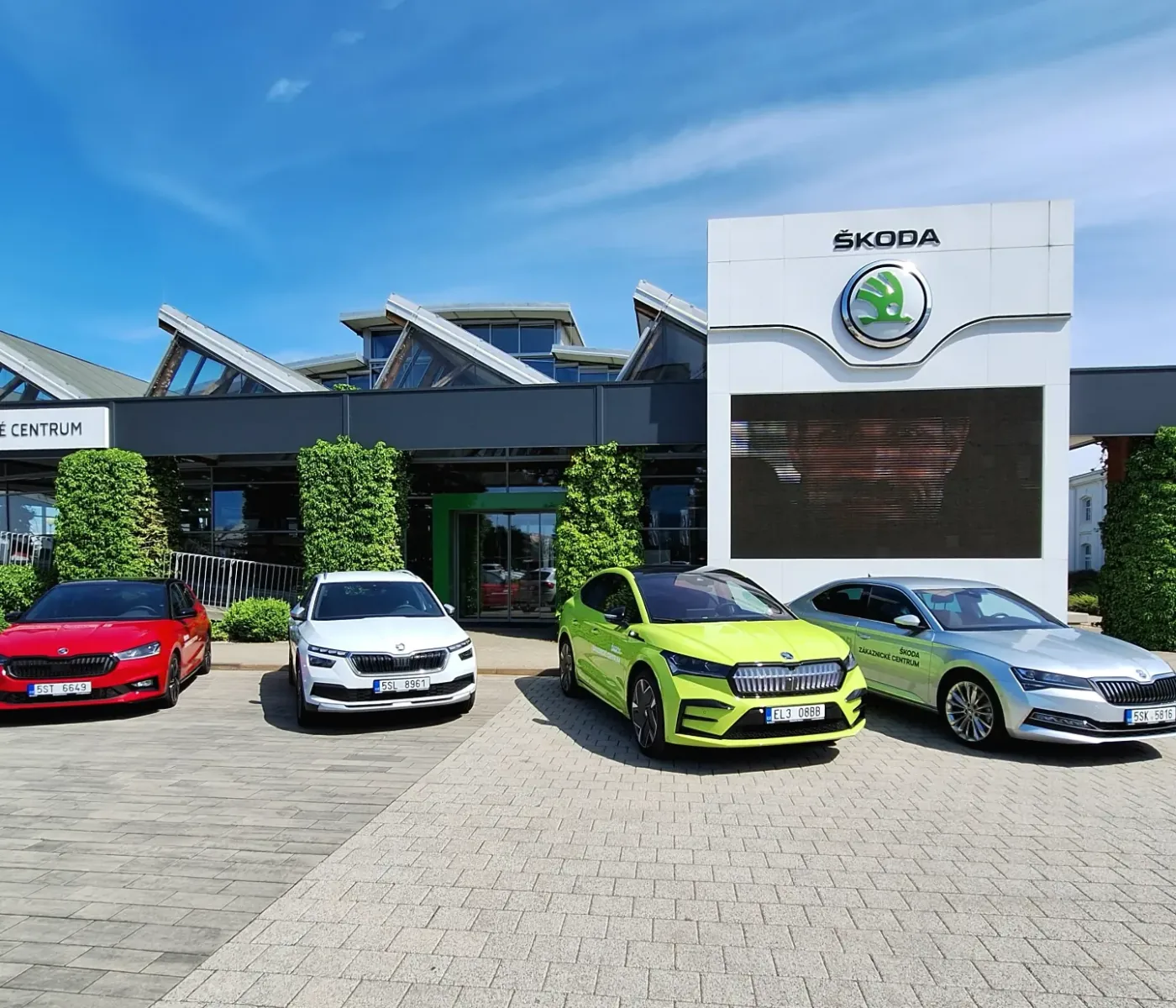
Škoda Factory
This is not just eye candy for “car fanatics” and nobody else. Quite the opposite. If you are interested in how a story becomes a country’s industrial identity, Mladá Boleslav is an exceptionally good stop. The museum stands on the authentic site where cars were built until 1928, and right next to it the story continues in a modern production complex. But it is not only about cars. At the factory, I found myself thinking about how production, ideas, and stories gradually help create a sense of progress — and I turned that into the article Thoughts About AI.
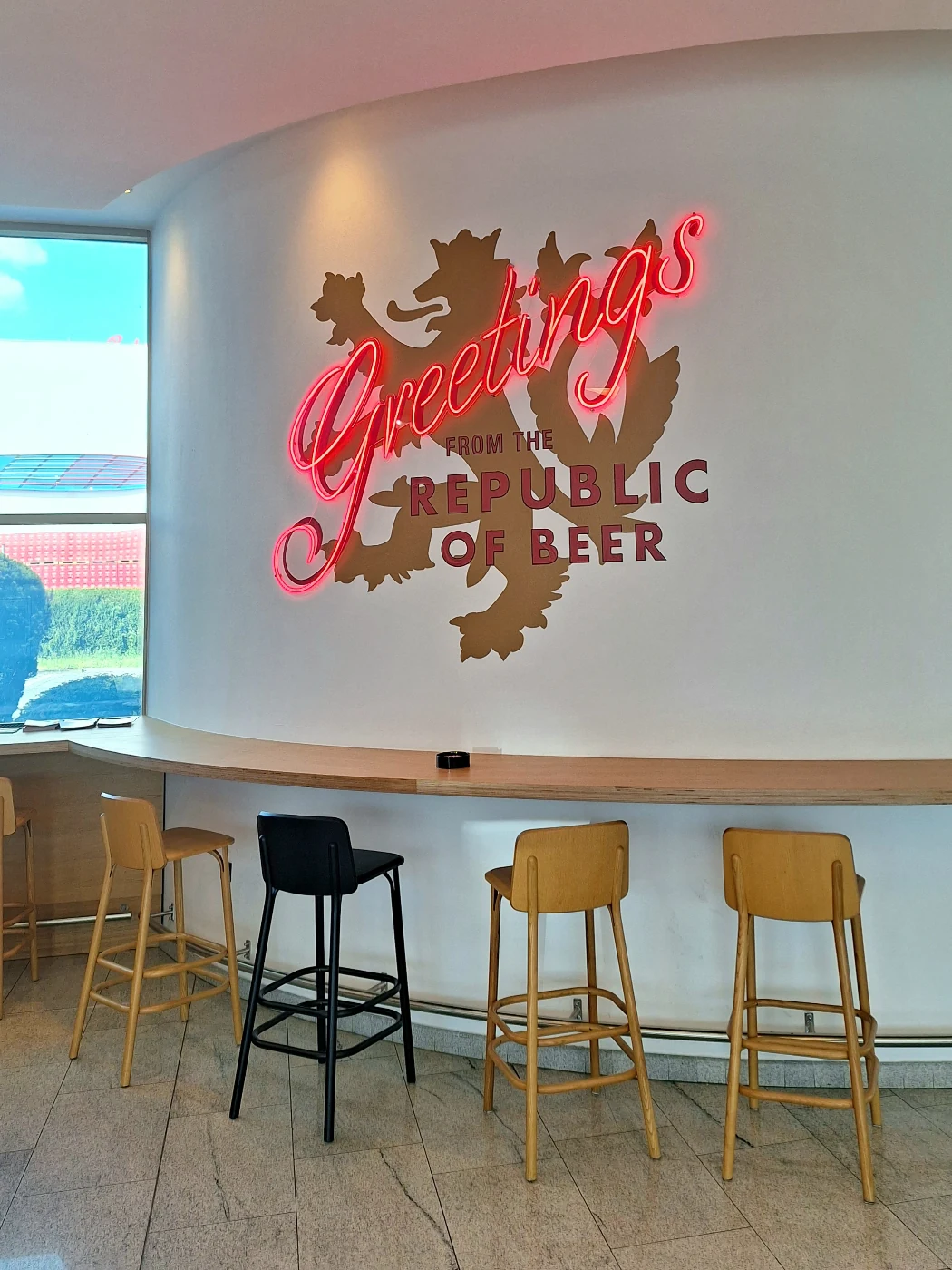
Budvar Brewery
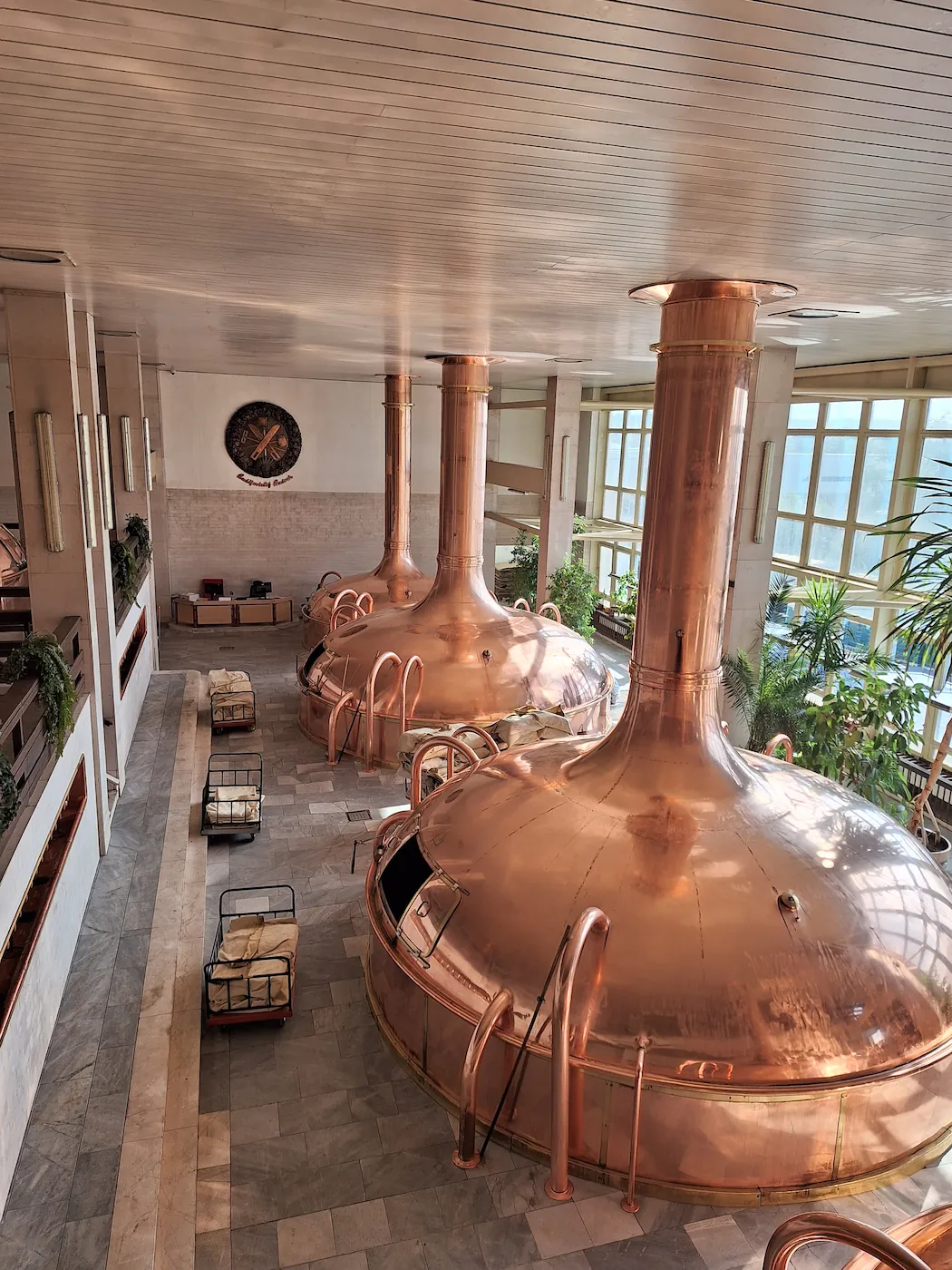
The brewery in České Budějovice has been operating since 1895, while the city officially draws on more than 750 years of brewing tradition; that is exactly why the tour does not feel like an isolated attraction, but part of the wider story of the place. On the official tour, which lasts about 60 minutes, you also visit the cellar spaces and taste unpasteurized, unfiltered beer straight from the maturation tanks.
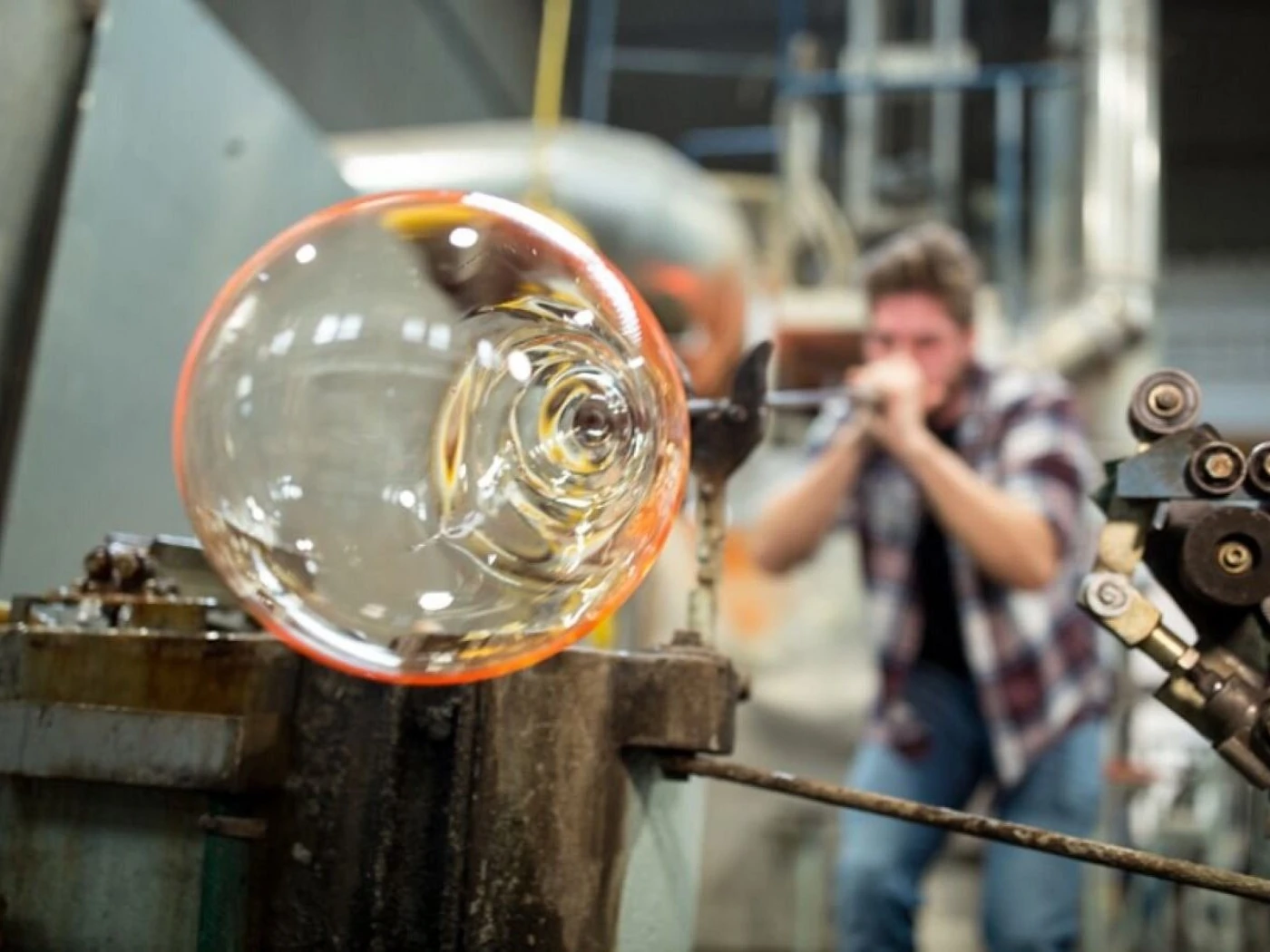
Rückl – glassmaking tradition
If you want to take something from the trip that is not just another photo of a bridge or a square, Rückl is one of those stops that quickly grounds you in craft, patience, and detail. This is a “unique Czech Republic” you do not find at every turn.
Škoda Museum
Mladá Boleslav is one of the best examples of how an industrial story can become an experience even for people who are not especially technical. This is where the story of Laurin and Klement began in 1895, growing into one of the oldest car brands still in operation today.
The museum stands in former production halls where cars were built until 1928, so the visit does not feel like a standard exhibition, but like a walk through the space where the brand’s story actually began. The collection includes around 340 items, from production cars, rally cars, and prototypes to engines, motorcycles, and the oldest exhibit, a Slavia bicycle from 1899.
The visit opens up nicely on two levels: first you see the history of the brand, the development of design, and older models, and then you sense the closeness of modern production. The factory in Mladá Boleslav produced 575,000 vehicles in 2024, and its line is also special because it can produce conventional and electric models at the same time.
Why include it
- Because you see where Škoda began – Mladá Boleslav is the birthplace of the brand, so the visit is not just a car exhibition, but a connection to the beginning of Czech automotive history.
- Because the museum stands on the real site – the former production halls give the exhibition a much more authentic feel than a standard city museum.
- Because it connects past and present well – first you see old models, the brand’s development, and its design evolution, then you also sense the closeness of modern production.
- Because you can upgrade the trip with a factory tour – with advance booking, this is the most concrete part of the visit, because you see how a car emerges from an industrial process.
Budvar
České Budějovice is already a good base in its own right, but Budvar gives the city an identity that would be a real shame to skip.
The brewery tour is not interesting only because of the tasting, but because it also takes you through the production areas of the facility and an exhibition that places the story of Budějovice beer into a wider context. You quickly get the feeling that beer here is not just something that accompanies the city, but one of its key signatures.
The wider picture confirms that too: Budvar exports to more than 70 countries, and according to official city data, it represents roughly a quarter of all Czech beer exports. The brewery’s current range includes 11 beers under the Budvar brand and 2 more beers from the Pardál line, while the tasting during the tour focuses on what belongs most naturally to the place: fresh beer straight from the brewery cellar.
Why it works so well
- Because you see how Budvar is made – the tour is not just a tasting at the end, but a walk through production, the brewing process, and the spaces where the beer matures.
- Because tasting makes more sense at the source – beer from the tanks or cellar feels different when you have just seen where and how it is made.
- Because the city gains stronger context – České Budějovice is not just a beautiful South Bohemian base, but a place where beer is part of the city’s identity.
- Because it connects food and local story well – a Budvar visit turns an ordinary city stop into a more complete brewing experience.
Rückl Glassworks
A place that moves Czech glassmaking tradition from a general idea into a concrete space, process, and works of art shaped by the hands of a small number of skilled craftspeople. On the roughly 45-minute tour, you see different stages of production, from blowing and cutting to grinding and decorating, so the glassworks does not feel like a random tourist stop, but like a living part of a long Czech craft story.
Rückl has roots going back to 1846, while the glassworks in Nižbor has been operating since 1903. Their current online selection includes almost 400 products, from glasses, carafes, and vases to decorative pieces and special collections, with the most expensive pieces reaching as much as 99,000 Czech crowns. That makes it clear this is not just about souvenirs, but about seriously designed and hand-crafted crystal.
An extra layer of charm is that Rückl also produces the Český lev crystal statuettes, the most important Czech film awards, and in their shop you can also see the Crown Crystal Bowl, which Václav Havel and Jiří Rückl presented to Queen Elizabeth II.
Why include it
- Because crystal here is not just a product on a shelf – during the tour, you see how it is made from hot glass mass into a cut piece you finally recognize as Czech crystal.
- Because the process is more interesting than you expect – blowing, cutting, grinding, and polishing quickly show why a steady hand, experience, and patience matter so much with this kind of product.
- Because Nižbor is an easy escape from Prague – the glassworks is close enough for a shorter trip, but in terms of content it gives you a completely different day from a classic city visit.
- Because you feel the tradition of Bohemian glass – Rückl shows well why Czech crystal has such a reputation and why this craft is still far more than a tourist souvenir.
Český Krumlov
Krumlov is one of the most picturesque places in the Czech Republic, but it works best when you do not treat it as just a quick stop and instead give it at least half a day or one overnight stay. The streets, bridges, red roofs, the Vltava, and the castle above the town make a strong first impression, but its biggest advantage is that it is not only photogenic. If you stay at least until evening, the town becomes an ideal corner for evening walks and solving the world’s problems over a mug of beer, or two.
The castle complex is one of the largest and best-known in the Czech Republic, and the gardens and the view from the castle tower are also a big plus. Krumlov is therefore not only photogenic, but also substantial enough for a full day or an overnight stay.
Why it is worth including
- Because the first view already does its job – the Vltava, red roofs, narrow streets, and the castle above the town quickly show why Krumlov is one of the most recognizable places in the Czech Republic.
- Because it is not only photogenic, but also substantial – the old center is UNESCO-listed, and the castle complex adds much more to the town than just a beautiful backdrop.
- Because it is worth getting above the town – the castle tower, courtyards, and gardens open up the kinds of views that make Krumlov more than just a walk through the streets.
- Because evening changes the feel of the town – once the day-trippers leave, the bridges, river, smaller taverns, and slower pace come forward much more clearly.
Kutná Hora
Kutná Hora stays with you. It is not only a town with a famous ossuary, but a former silver center that was important enough in the Middle Ages for its historical weight to still be very obvious today.
The town has been on the UNESCO World Heritage List since 1995, mainly because of its historic center, St. Barbara’s Church, and Sedlec. Its power grew out of silver: rich silver veins turned Kutná Hora from the end of the 13th century into one of the key royal towns of the Czech lands.
The most unusual part of the visit is, of course, the Sedlec Ossuary, where the interior is not just a dark spectacle, but a carefully arranged space made from human bones. Among the most famous details are the chandelier, said to contain at least one bone from every part of the human body, and the Schwarzenberg family coat of arms, made from bones.
At the same time, Kutná Hora is not just “the ossuary town.” St. Barbara’s Church gives the visit a much more elegant Gothic counterpoint, while the Italian Court reminds you that the town was once the economic heart of silver-rich Bohemia.
Why it is worth including
- Start with Sedlec – the ossuary is the most unusual part of the visit, because human bones are not just displayed, but assembled into chandeliers, coats of arms, and an almost theatrical interior.
- Then St. Barbara’s Church – this is where Kutná Hora shows its more powerful side: Gothic architecture, a scenic position, and the story of a town that grew from silver.
- Do not skip the old center – only while walking through the town do you feel that Kutná Hora is not just “that ossuary,” but a former royal and mining center.
- If you have time, add the Italian Court – a good stop for understanding why silver was so important to the town.
South Moravia
South Moravia is the best reminder that the Czech Republic is not only beer, Prague, and medieval towns. This is the country’s main wine region, where the rhythm of the trip quickly slows down: vineyards, smaller places, wine cellars, castle backdrops, and a much more rural feel than in the capital.
The most natural gateway into the region is Valtice, often described as the Moravian capital of wine. In the castle cellars, you will find the Wine Salon of the Czech Republic, with a selection of the best-rated Czech and Moravian wines. This is a good stop if you want to begin South Moravia with clear wine context, not just a random glass of wine.
Another big plus of the region is the Lednice-Valtice landscape, where wine, castles, parks, ponds, and well-kept paths combine into a very different face of the Czech Republic.
Why add it to your plan
- Because it shows the wine side of the Czech Republic – after Prague, Budvar, and classic towns, South Moravia opens up a completely different rhythm: vineyards, cellars, and slower countryside.
- Because Valtice is the best entry point – the castle cellars and the Wine Salon explain well why the region has such a strong wine identity.
- Because it pairs beautifully with Lednice – castles, parks, ponds, and a designed landscape add more to the trip than just a tasting.
- Because it is ideal for a slower day – the point here is not rushing through sights, but a walk, a glass of wine, and a more relaxed pace.
- Because it balances the whole trip well – after cities, industry, a brewery, and castles, it adds a softer, culinary, and rural ending.
Bohemian Switzerland
Bohemian Switzerland moves the trip away from cities, squares, and breweries into rock walls, forests, gorges, and scenic trails. The most recognizable symbol of the region is Pravčická brána, the largest natural sandstone rock arch in Europe, most commonly reached from the direction of Hřensko or Mezní Louka.
The region works best as an active day: a bit of walking, a few viewpoints, and that feeling of escaping the urban side of the Czech Republic. Alongside Pravčická brána, the gorges of the Kamenice River are another major draw, where part of the route is traditionally combined with boats through narrow rocky canyons.
When planning, it is smart to check the current trail status. The area was partly affected by a major fire in 2022, so the opening of individual trails, gorges, and access points can change depending on the season, weather, and safety conditions.
How to do it
- Start at Hřensko or Mezní Louka – these are the most common starting points for visiting Pravčická brána and the surrounding hiking trails.
- Make Pravčická brána the main goal – the rock arch is the most recognizable symbol of the region and one of those views that really makes the trip worth it.
- Add the Kamenice gorges if they are open – boats between the rock walls give the visit a different rhythm.
- Check trail conditions before visiting – because of the fire, restoration work, and seasonal closures, access can change.
Mini itineraries
Short plans for a first visit, a more content-rich road trip, and slower exploring of different faces of the Czech Republic.
2 days: Prague and Kutná Hora
- Day 1: Prague – castle, Charles Bridge, Old Town, evening by the Vltava.
- Day 2: Kutná Hora or Mladá Boleslav.
A good plan for a first feel of the country. You get the capital and one contrasting stop.
3 days: Prague, Mladá Boleslav and Nižbor
- Day 1: Prague.
- Day 2: Škoda in Mladá Boleslav and evening in Prague.
- Day 3: Kutná Hora or Nižbor / Rückl.
For anyone who wants more than just “old town centers.”
4 days: Budějovice and southern Czechia
- Day 1: Prague.
- Day 2: České Budějovice.
- Day 3: Budvar and the city.
- Day 4: Český Krumlov.
One of the better combinations if you like beer and interesting towns.
5–6 days: wider Czech Republic
- Days 1–2: Prague.
- Day 3: Škoda or Kutná Hora.
- Days 4–5: southern Czechia (Budějovice and Krumlov).
- Day 6: Moravia.
A good framework for a more varied visit to the country, combining the city, industry, the south, and the wine story.
Food & drink
The Czech Republic naturally brings beer to mind first, and for good reason. Beer culture is deeply woven into everyday life here: from classic pubs to big names such as Budvar, and from evening Prague to smaller towns. But a trip through the Czech Republic does not have to be only a beer map.
South Moravia shows another layer of the country – wine, cellars, vineyards, and a slower way of exploring a place. It is exactly this combination of beer and wine that makes the country more varied.
Practical
Documents
Czechia is part of the European Union and the Schengen Area. For EU citizens, travel is usually straightforward, but you should still keep a valid identity card or passport with you.
- For EU citizens: a valid identity card or passport.
- For children: every child needs their own identity document.
- For non-EU travellers: check visa requirements, permitted length of stay and document validity before departure.
Arriving in Prague
For most trips, Prague is the easiest entry point. From Václav Havel Airport, you can get to the city by public transport or the Airport Express connection. Public transport is useful and well organized, but it is not free.
- Trolleybus 59: connects the airport with Nádraží Veleslavín, where you transfer to metro line A.
- Line 100: useful for the connection toward Zličín and metro line B.
- Airport Express: a good option for the main railway station, but regular public transport tickets do not apply.
- Tickets: buy them from a machine, in the app, at an information center or by card on selected connections.
- Late arrival: check the last connections, night lines or taxi prices before departure.
Public transport
The metro, trams and buses cover most routes, and for a first visit the most practical approach is usually to combine walking with public transport.
- Metro: fast for longer moves between neighborhoods.
- Trams: great for a more urban feel and connections across the center.
- Ticket: choose it based on the length of your journey; for an intensive day, a day or multi-day ticket may make more sense.
- Validation: with paper tickets, do not forget to validate them before or at the start of the ride.
- Practical tip: accommodation close to a metro or tram stop often means less logistics than staying directly in the most touristy center.
Getting around
Czechia is compact enough that you can do a lot without overcomplicating the plan. For Prague, Kutná Hora, Budějovice and Krumlov, trains, buses or a combination of both can work well. For more scattered stops, a car is more practical.
- Train: good for Prague, Kutná Hora, larger towns and more comfortable day trips.
- Bus: often practical for Český Krumlov and some more direct connections.
- Car: most useful for Nižbor, smaller castles, South Moravia and Bohemian Switzerland.
- Plan B: for the last daily connections, always check the official timetable too, not only apps.
Driving tips
If you travel by car, check the electronic vignette before entering paid motorway sections. Czechia uses an electronic system, so you do not need a sticker on the windscreen.
- Vignette: for four-wheeled vehicles up to 3.5 t, it is generally required on paid motorway sections.
- Purchase: arrange it on the official website, at self-service kiosks or selected sales points.
- Details: when buying it, you need the vehicle registration number.
- Prague: a car in the center is not an advantage; parking and traffic quickly become an unnecessary concern.
- Car trip: for Krumlov, Moravia, castles and natural regions, a car can be very useful.
Insurance
For Czechia, have your European Health Insurance Card arranged if it applies to you, and add travel insurance if needed. The European card helps with medically necessary care during a temporary stay, but it does not cover every travel complication.
- European Health Insurance Card: arrange it through your own health insurance institution before departure if you are eligible.
- Additional insurance: sensible for assistance, trip cancellation, luggage and possible transport home.
- Activities: for hiking, cycling or a more active trip, check what your insurance actually covers.
- Offline copies: save your policy number, assistance contact and basic documents.
Currency
Czechia uses the Czech koruna (CZK / Kč), not the euro. In Prague and larger towns, cards are very useful, but it is still good to have some cash for smaller places, markets, toilets or more local stops.
- Currency: Czech koruna, marked as CZK or Kč.
- Euros: some places accept them, but do not rely on this and always check the exchange rate.
- Cards: they usually work well in towns, but keep a backup in smaller places.
- Cash withdrawal: check ATM fees and avoid poor exchange rates.
Emergency numbers
Save emergency numbers before departure, together with your accommodation contact, insurance contact and a copy of your documents.
- 112: single European emergency number.
- 150: fire brigade.
- 155: emergency medical assistance.
- 158: police.
- 156: municipal police.