
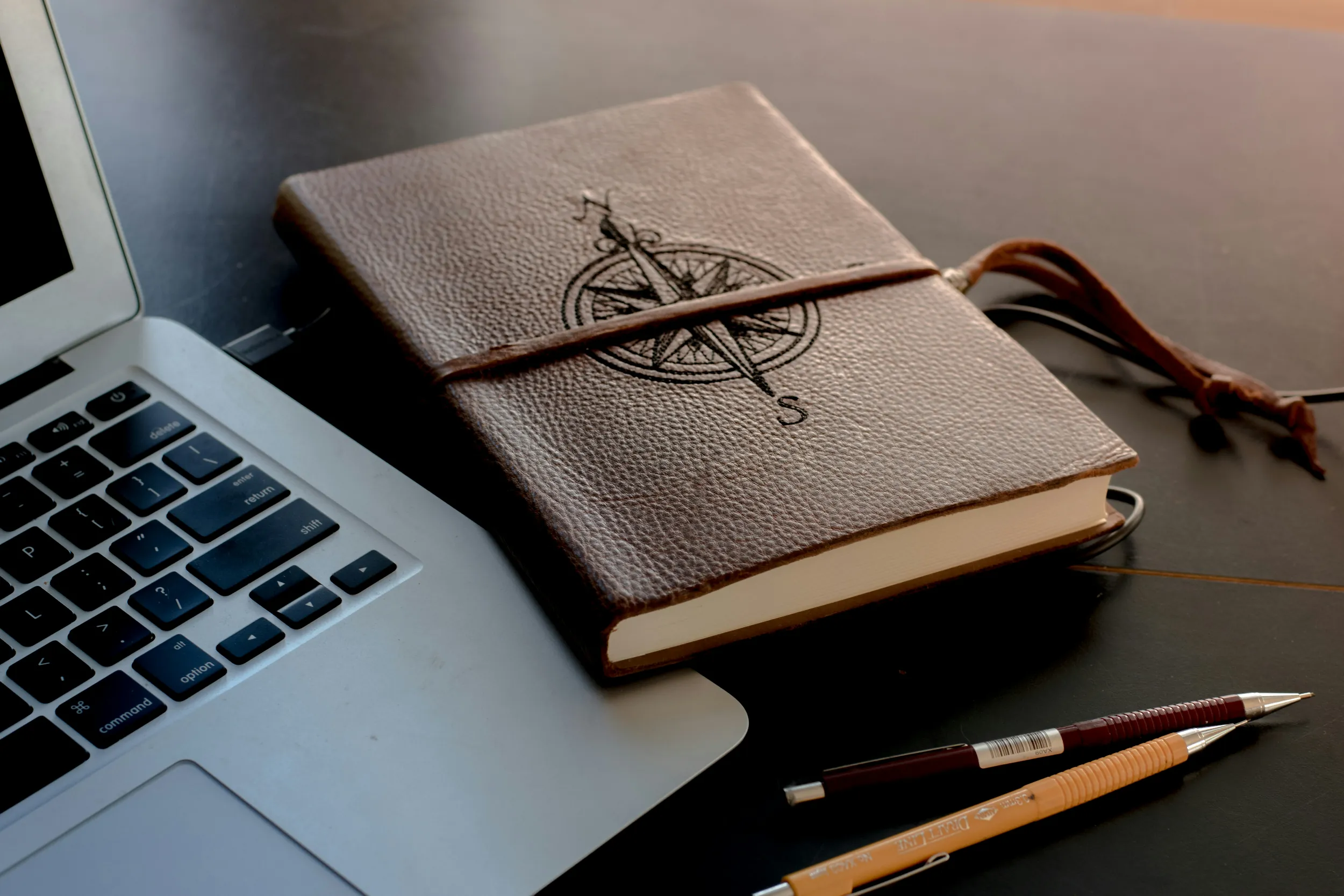
Books & Handbooks
Writing
Books and Guides
Books and guides for writers who want to turn notes into stories, and stories into a book, a guide, or useful insights others can actually use.
My writing style is simple, grounded in rhythm, honesty, and real experiences. I stick to structure and clear steps you can apply to your own writing right away.

Start here
These books and handbooks are built around the point where you are right now. Each step leads you to relevant content and a practical next move.
1) I need inspiration
Ideas, observation, notes, and simple exercises that spark creativity.
2) I want to start writing
How to begin without perfectionism: rhythm, structure, and practical steps.
3) I want to write better
Structure, voice, and editing: how a rough draft becomes a useful piece of writing.
4) I’m interested in publishing and monetization
Options and reality: services, products, publishing, newsletters, and workshops.
5) I want a concrete product
Books and guides: a system and clear steps so inspiration does not stay just inspiration.
In short
Hi! I’m Aleš.
The “š” is pronounced like “sh”. If that’s tricky, you can simply call me Alex. I started writing out of curiosity and a fascination with certain stories that stayed with me. What began as something personal slowly became a way to observe, understand, and describe the world around me.
Read more
I’ve always been drawn to the world beyond the familiar. It started with weekend trips, continued on and around stages (more about music) into the early morning hours, and today it revolves around people, their stories, and the authenticity of places. I bring the same approach to writing: I explore deeply, and I write with clarity, usefulness, and honesty.
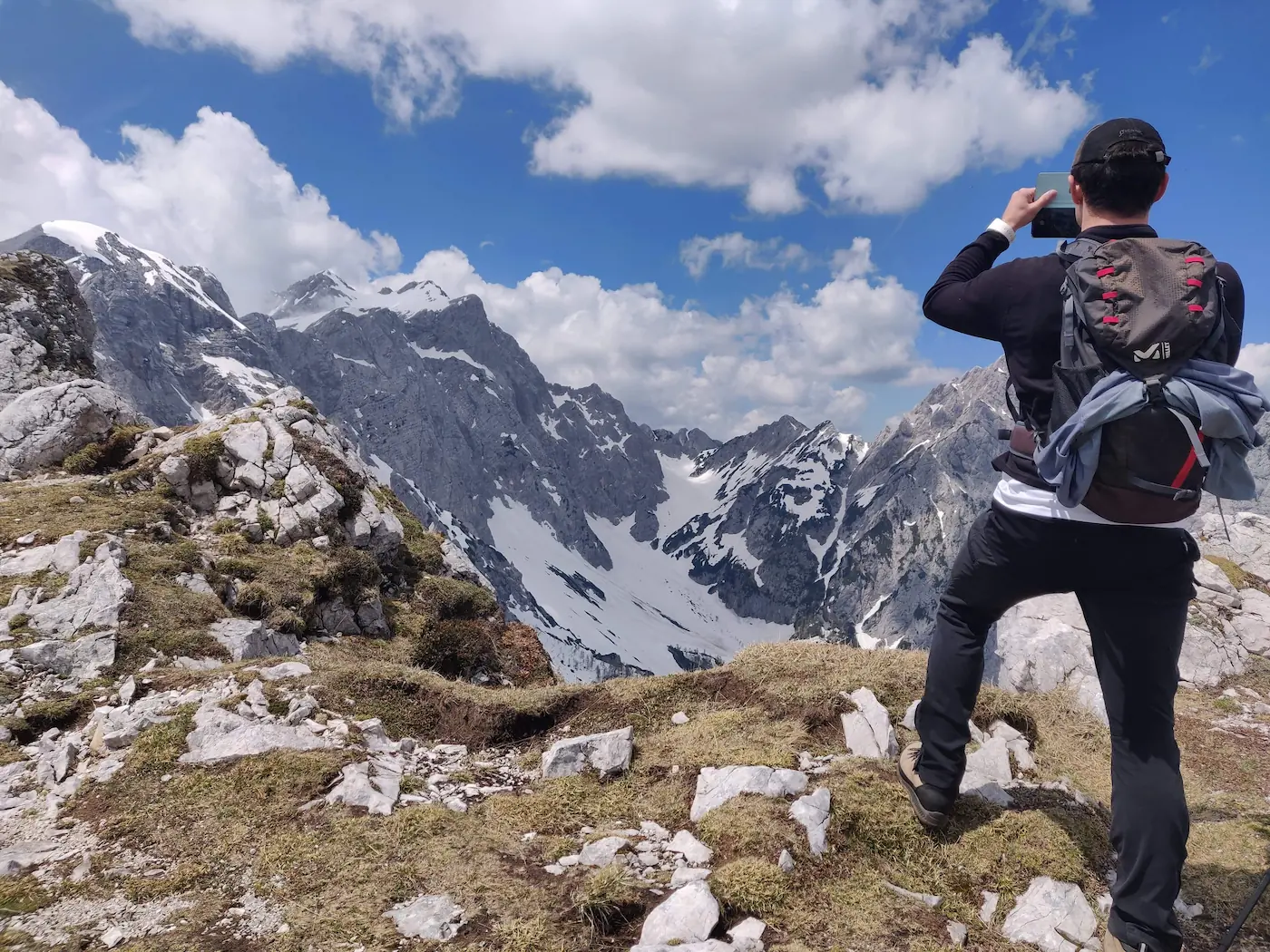
My path to books and guides
I did not start out as a “writer.” I started as someone who wrote things down. First so I would not forget. Then so I could understand.
Notes → reflections → articles → book
Notes were my way of capturing a moment. Reflections were my way of giving that moment meaning. Articles became practice in turning thoughts into something useful.
Advice that helps you write
A lot of people want to write, but they get stuck in the same places: “I don’t know what to write about.” “I start, but I never finish.” “I know what I want to say, but I can’t shape it into a sentence.” That is why I created a compass and a set of practical steps.

1) Inspiration
Inspiration is not a lightning strike. It is attention.
How I find inspiration
- Notice the details. Not just “a beautiful view,” but the sound, the smell, the rhythm, the gesture.
- Write down questions. The best pieces often begin with: “Why does this move me?”
- Do not wait for a “big theme.” Big themes are born from small truths.
- Collect raw material. One sentence a day is still more than nothing over an entire month.
Mini exercise (3 minutes)
- One scene: where are you and what do you see?
- One feeling: what is happening inside you?
- One sentence: what did you actually realize?

2) How to start writing
The biggest mistake at the beginning is trying to write “well.” The real first step is to write as consistently as possible.
What we usually overlook at the start
- We mix the phases. A draft is not for judging. It is for getting the content out.
- We start too big. Writing a book “in one go” is a serious challenge. Writing 300 words is much more doable.
- We have no framework. If you do not know what you are writing—a note, a travel piece, a story—you can lose direction quickly.
My suggestion
- At least twice a week.
- A raw draft in 10 minutes.
- Highlight 1–2 sentences that carry the “truth.”
- Think about the title and/or subtitle.
3) How to write better
Once you start writing, the same question shows up sooner or later:
how does a raw note become a piece of writing that actually resonates?
3 simple structure models
In practice, I kept returning to simple patterns that work for both stories and reflective writing.
Before – During – After
What came before, what happened, and what changed?
Scene – Insight – Echo
Show the moment with real people, name the insight, and show how it stays with you.
Problem – Attempt – Lesson
What troubled you, what did you do, and what did you learn?
Voice (your tone) – how to keep it
- Write as if you are speaking to one person, not a crowd.
- Be specific whenever possible.
- Preserve the truth and intensity of what happened.
Editing in 2 simple steps
- Step 1: cut (what is not essential?)
- Step 2: sharpen (where is the core feeling, idea, or message?)
A useful revision question
If you had to keep only three sentences from the entire draft, which ones would stay?
4) Publishing and monetization
Writing can remain a form of expression. But it can also become a product, a service, or a doorway to new collaborations.
Publishing
A blog, a newsletter, a series of essays, or self-publishing. First a clear path, then publication.
Product
A guide, a collection of notes, an e-book, or a workshop. Your experience can become something genuinely useful.
Consulting
An outside perspective can save you months of wandering. Structure often appears faster through conversation.
Important
Monetization comes most naturally when you create something real and useful first. Better to ask “what has value?” than “how do I sell this?”
Books and guides
These are the products that grew out of my notes, journeys, questions, and practical systems.
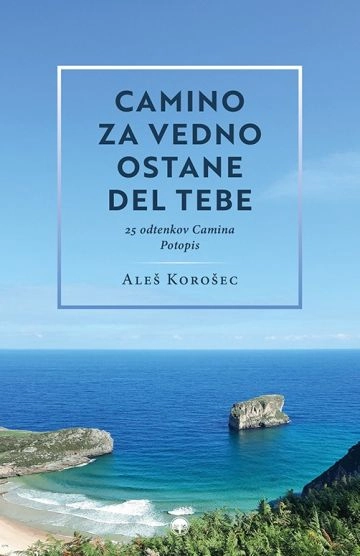
Book
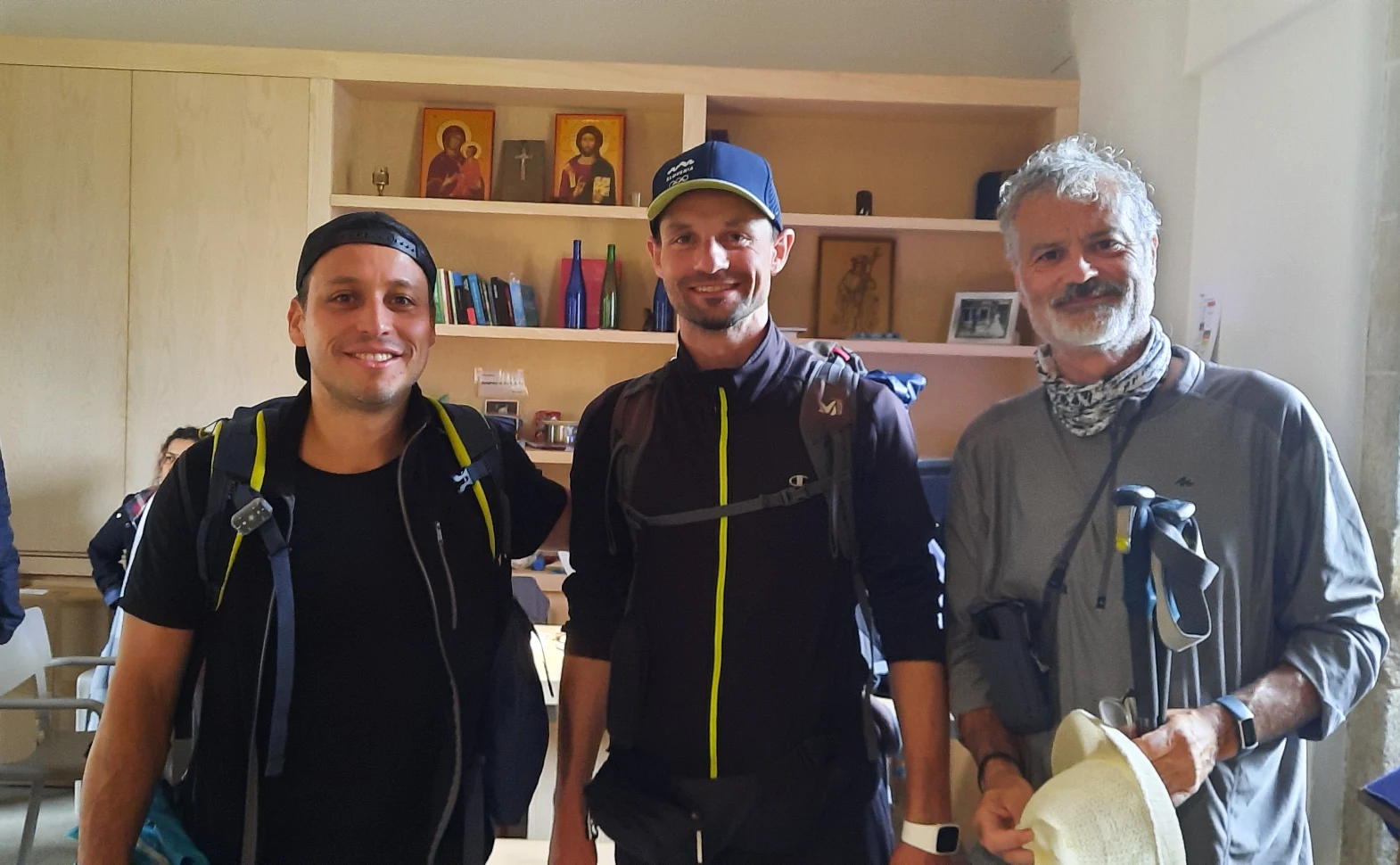
Camino
A personal story about the road, stepping away, and reconnecting with what remains when everything unnecessary falls away.
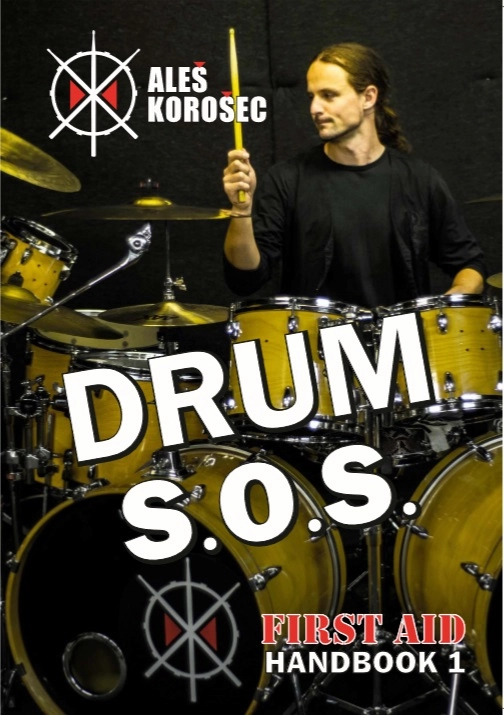
Guides
Practical Guides
Practical resources for starting with more clarity, building a better rhythm, and writing in a more concrete way.
Writing consulting
If you want to make faster progress, we can look together at where you are, what you want to write, and what the most sensible next step would be.
Frequently asked questions
Do I need to already know what I want to write?
No. The right direction often reveals itself through shorter notes, questions, and observation.
Is this more for storytelling or for practical writing?
Both. The core principles apply to stories, reflections, travel writing, guides, and essays.
What if I have been putting this off for a long time?
Then you probably do not need more motivation. You need a smaller, clearer first step.