
Spain
Spain
Spain at a glance
Spain has 17 autonomous communities and two autonomous cities, so when planning a trip, it makes more sense to think in regions, not just cities. Andalusia, Catalonia, the Basque Country, Galicia, Madrid, Valencia, and the Canary Islands are not just points on a map. They are different rhythms of travel, food, language, climate, and history.
- Best first choice: Madrid for museums and day trips, or Barcelona for architecture, markets, and the sea.
- For 4–6 days: Madrid + Toledo/Segovia, Barcelona + Girona/Montserrat, or Valencia.
- For 7–10 days: Andalusia: Seville, Córdoba, and Granada.
- For a different rhythm: the Basque Country, Cantabria, Asturias, and Galicia.
- For a slower journey: the Camino, where Spain reveals itself through walking, weather, albergues, and small towns.

Guide to Spain
For a first visit, Madrid or Barcelona are the most logical starting points. Madrid is the better base for the Prado, the royal quarter, Retiro, and day trips to Toledo or Segovia. Barcelona is more visual and Mediterranean: Sagrada Família, Park Güell, the Gothic core, markets, the coast, and viewpoints.
Andalusia is the right choice when you want palaces, layers of history, evening atmosphere, tapas, and a strong cultural identity. Seville, Córdoba, and Granada create a route that works better slowly than rushed. In summer, inland Andalusia can get very hot, so spring, autumn, and winter are often more comfortable for city exploring.
The north is another Spain: green, Atlantic, more changeable in weather, and excellent for walking, coastline, food, and places with a strong regional character. The Basque Country, Cantabria, Asturias, and Galicia are a great choice if you want something less classic, slower, and more walking-oriented.
Cities
Madrid
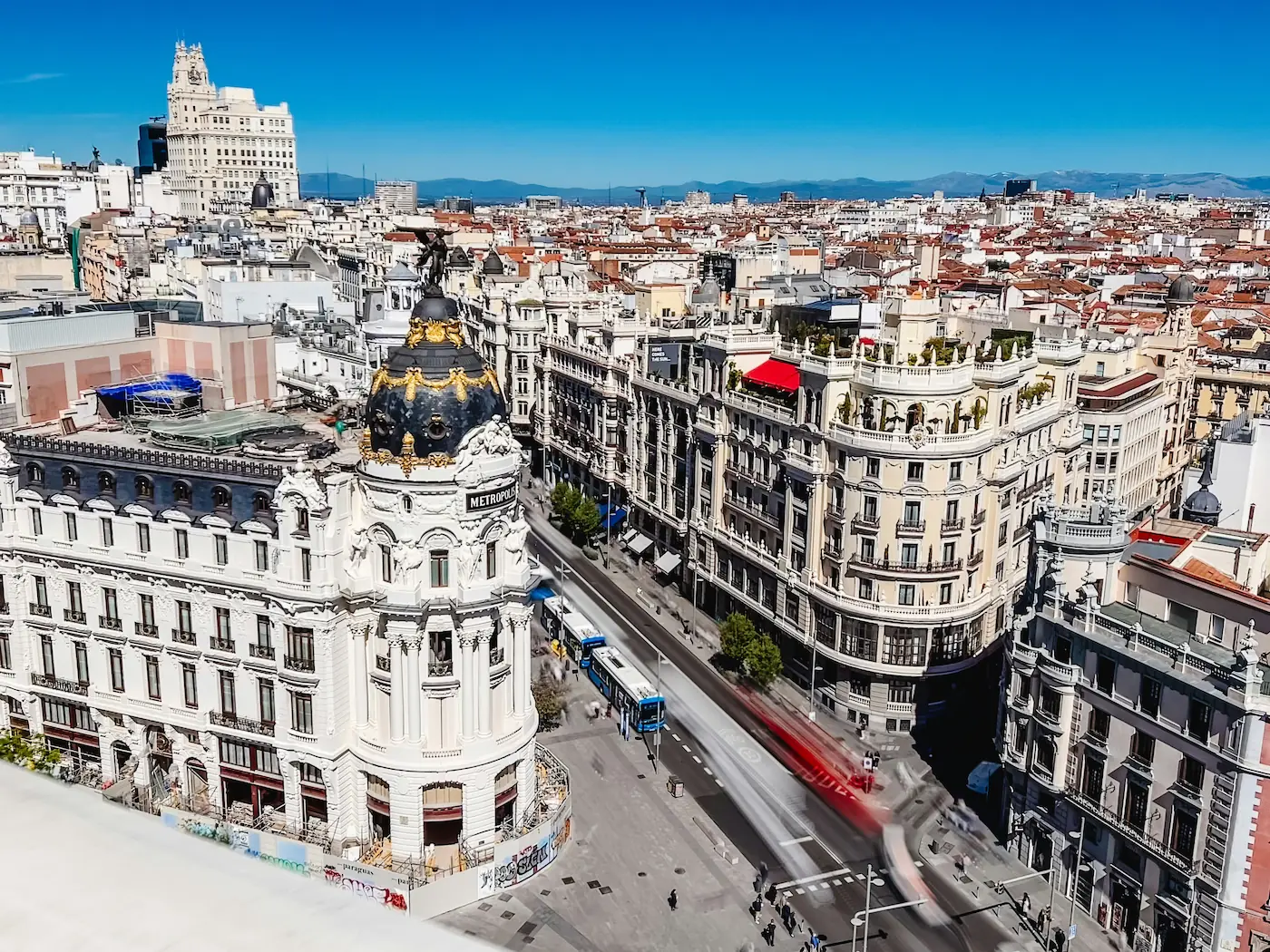
Madrid works best when you do not see it only as the capital, but as a practical base. In the city, you get the Prado, Retiro, the royal quarter, and evening tapas. From the city, you can also make easy day trips to Toledo or Segovia.
- Prado: the main art stop; it is better to choose a few rooms than try to “see everything.” approx.: €15
- Royal Palace: good for understanding the monarchy and Madrid’s monumental side. approx.: €18
- Retiro: the best break from museums and the pace of the city.
- Toledo or Segovia: excellent day trips if you have at least three days.
The biggest mistake in Madrid is chasing too many checkmarks. Instead, combine one major museum, one longer walk, one tapas evening, and one day trip. For a plan B when moving around, use my transport tips.
Barcelona
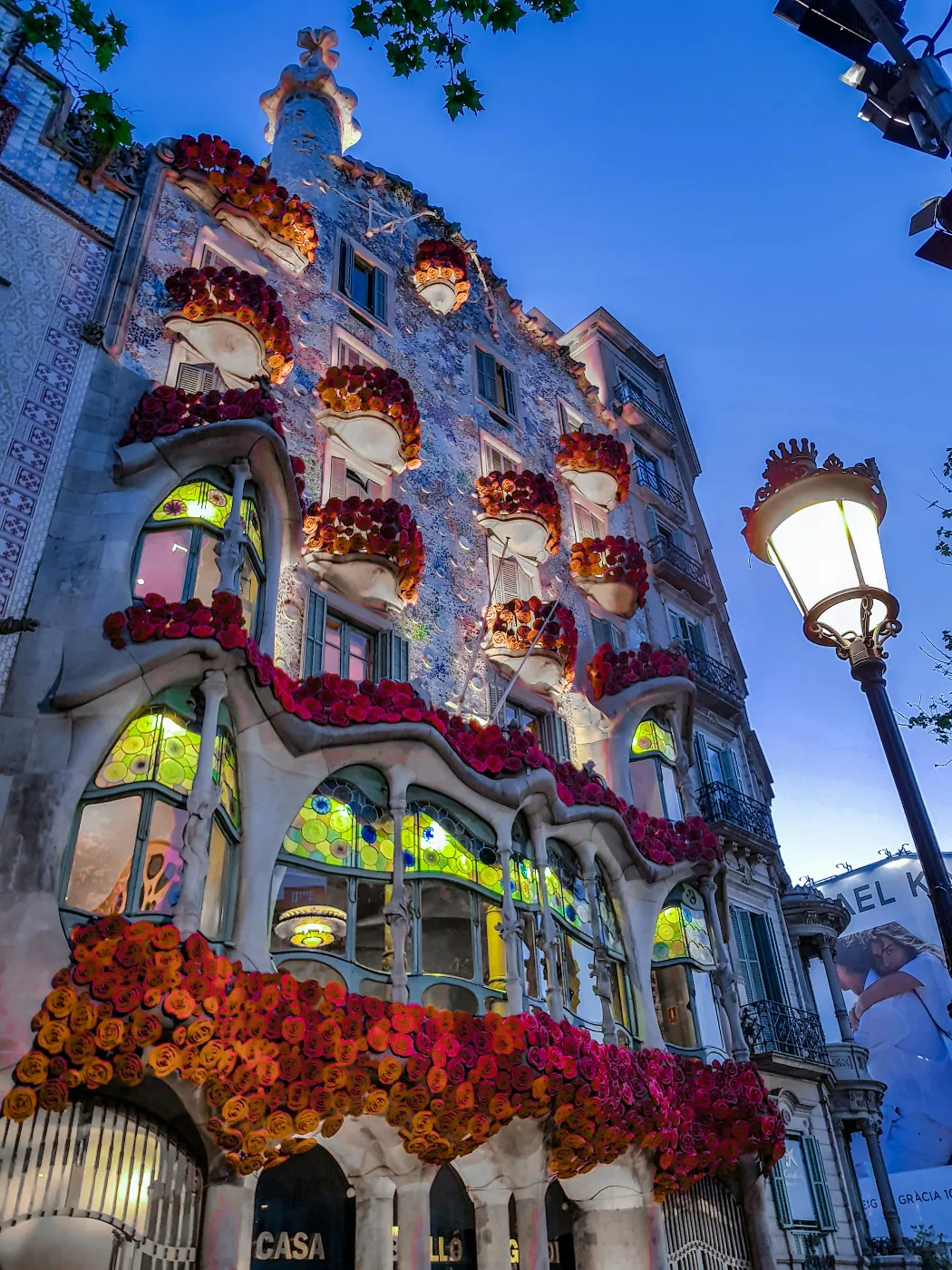
Barcelona is the most visual Spanish choice for a first visit. Its strength is that in one day you can combine architecture, the old town, a market, a viewpoint, and the sea.
- Sagrada Família: book ahead, especially in season. from €26
- Park Güell: views, Gaudí, and a greener part of the city. €18
- Gothic Quarter: best for slow walking, not chasing a schedule.
- Markets: they are better when you step away from the most tourist-heavy hour.
Barcelona gets expensive when you try to do every major paid sight. If you need to choose, pick two paid highlights and leave the rest for walks, the coast, and viewpoints. For food, my guide to local customs can help.
Andalusia
Seville, Córdoba, and Granada
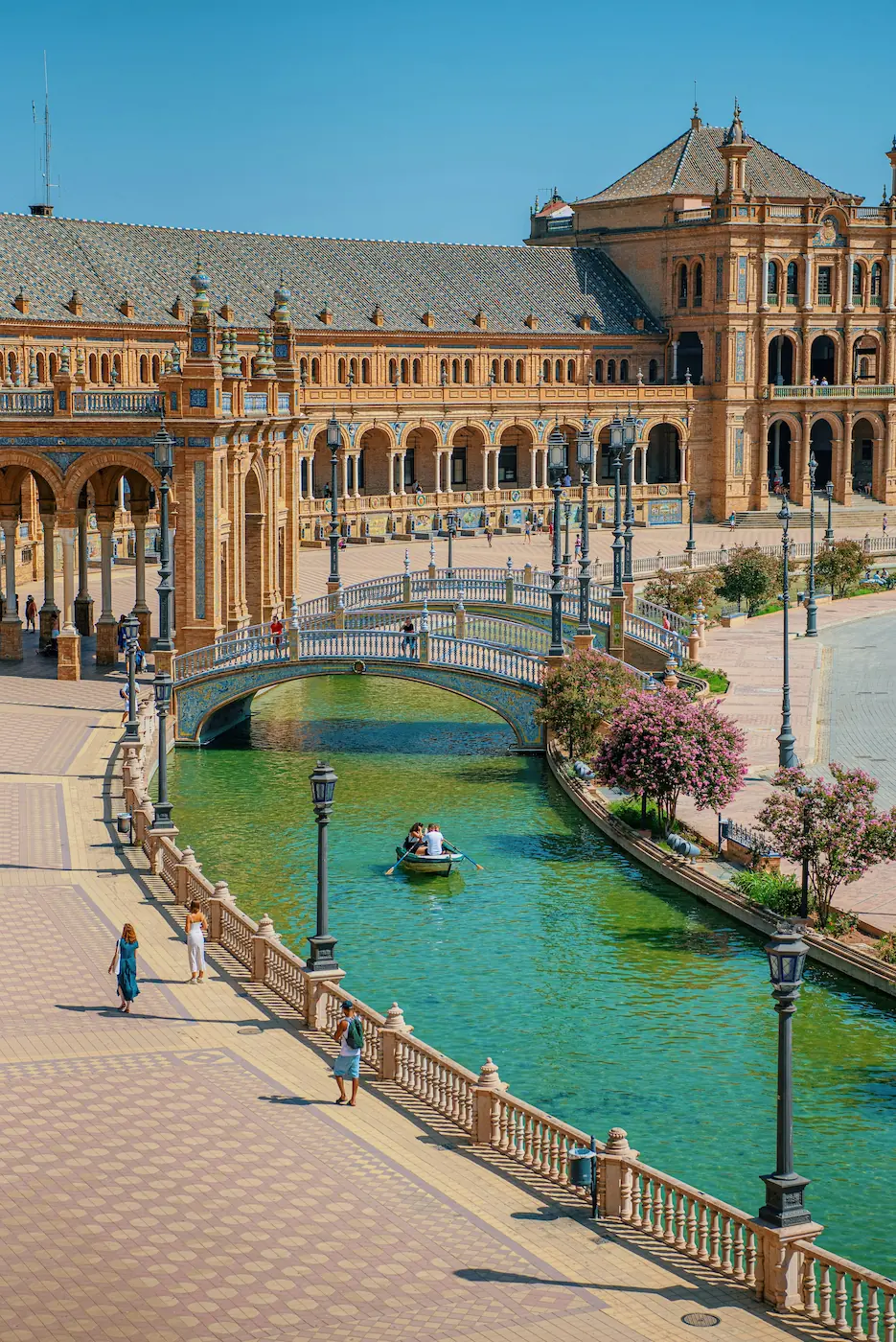
Andalusia makes the most sense as a 7–10 day route, not as a quick stop. Seville gives the rhythm, Córdoba adds the historical layer, and Granada brings the most dramatic ending with the Alhambra.
- Seville: Real Alcázar €15.50, cathedral + Giralda €13 online.
- Córdoba: best as at least a full day, especially for the Mezquita, the bridge, the old Jewish quarter, and a slower evening.
- Granada: Alhambra General from €22.27; booking is essential.
- Season: summer can be very hot in Seville and Córdoba, so spring and autumn are more practical.
Andalusia works when you leave room for evenings. During the day, you can tick off the architecture, but you only really feel the place when the city slows down and you move into the tapas rhythm.
Valencia
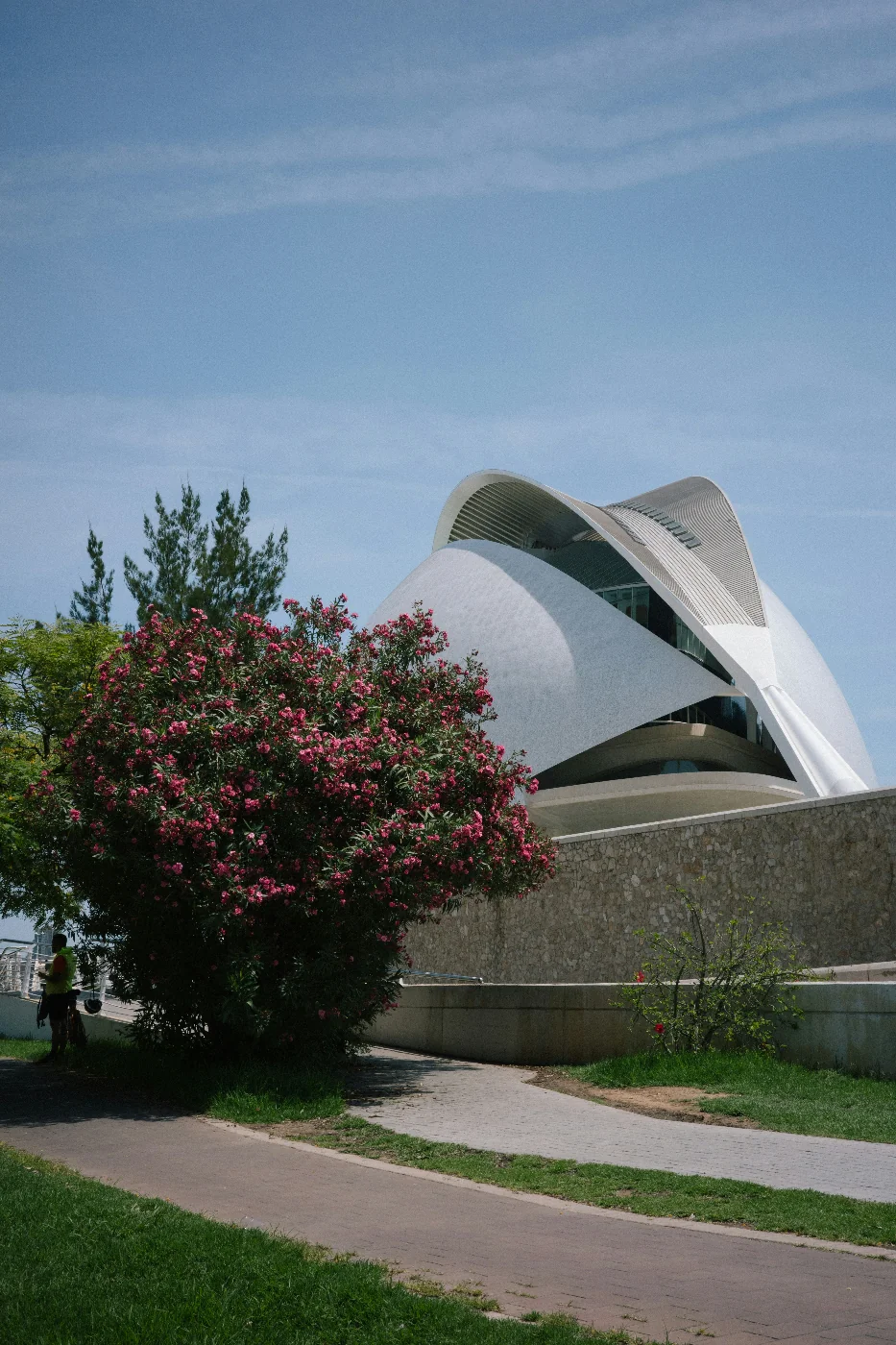
Valencia is a good choice if you want a more relaxed city break. Central Market, the old town, the former Turia riverbed, and the City of Arts and Sciences create enough variety for 2–4 days.
Approx.: individual CAC Valencia tickets from €6.90, €7.20, and €31 — depending on the venue and selected date. Combined tickets change depending on date and selection.
The Camino in Spain
Camino del Norte
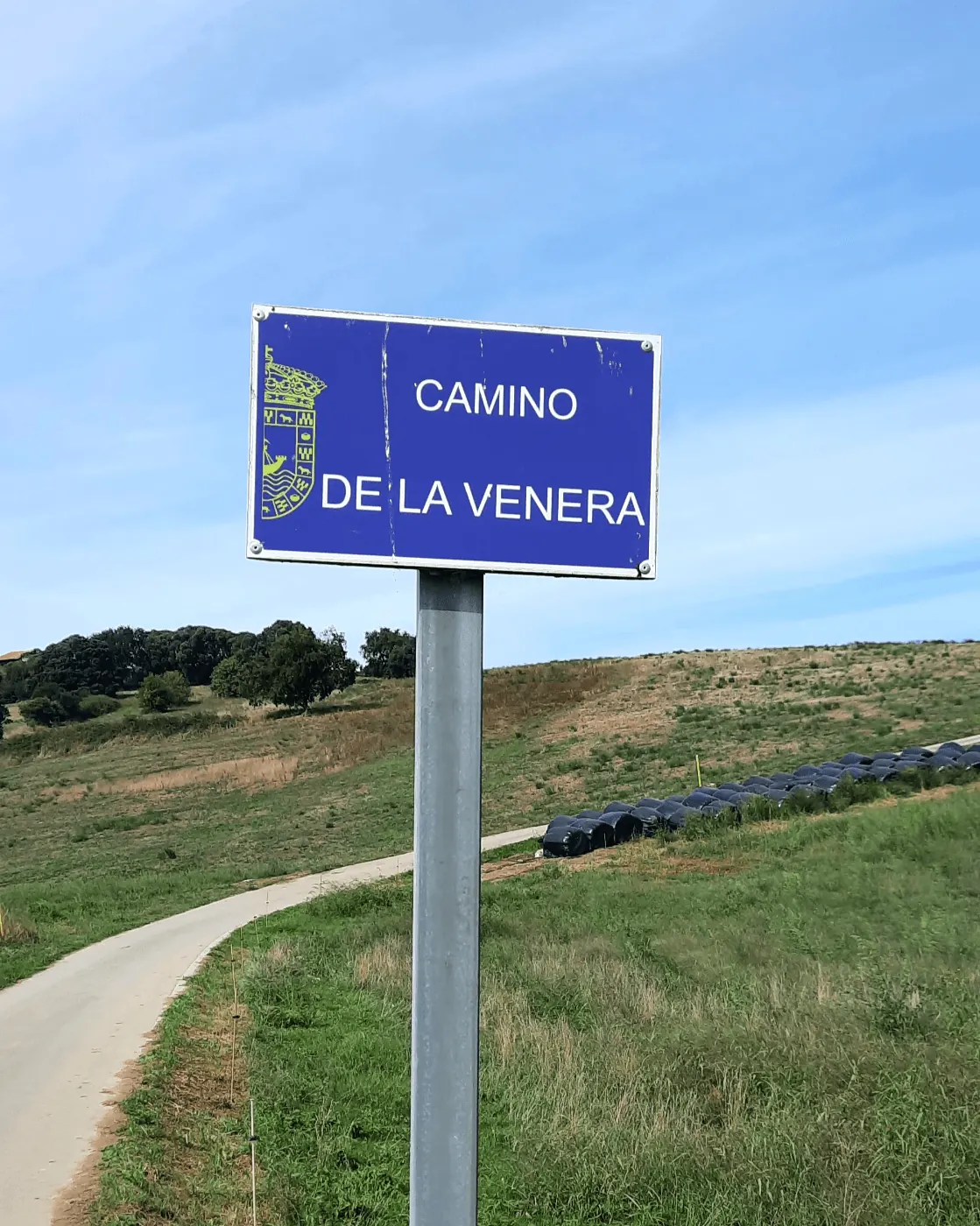
Camino del Norte runs through the Basque Country, Cantabria, Asturias, and Galicia. That chain of regions is one of the main reasons the route feels so powerful. Along the sea, you do not get only views, but a very different northern Spain: cliffs, beaches, fishing villages, industrial traces, green hills, and a constantly shifting sense of landscape.
The north is not just a backdrop. It is a real change of worlds. In one part, sea winds and cities take over, somewhere else it is forest, then a more rugged and almost alpine logic of the north, and finally the Galician softening toward the finish.
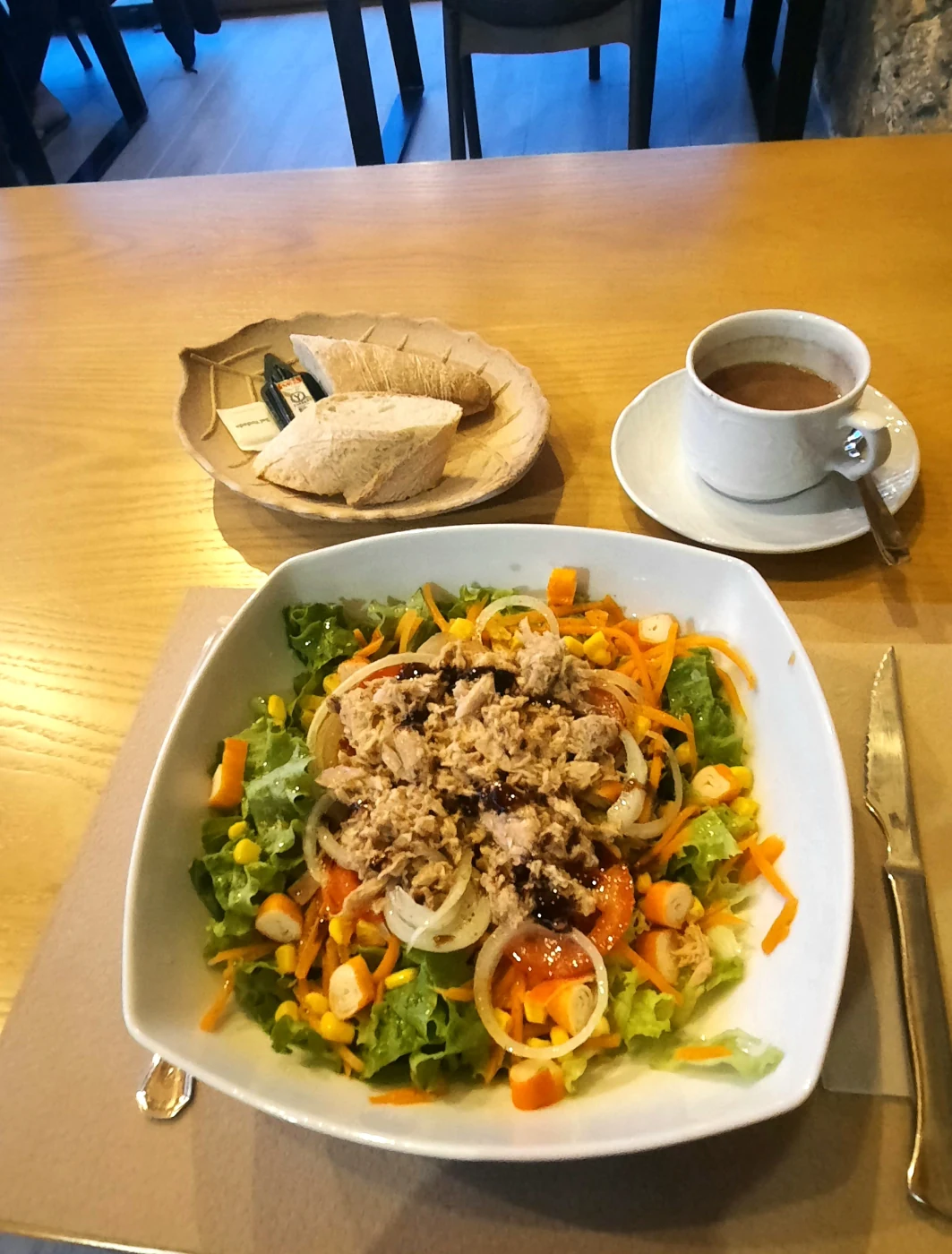
If you want to take the Camino seriously, count on a simple rhythm: walking, washing, food, rest, and repeating. In public or pilgrim albergues, prices are usually lower than in classic hotels, often around €10–15 for a basic bed, depending on the place, season, and type of accommodation.
Navarre
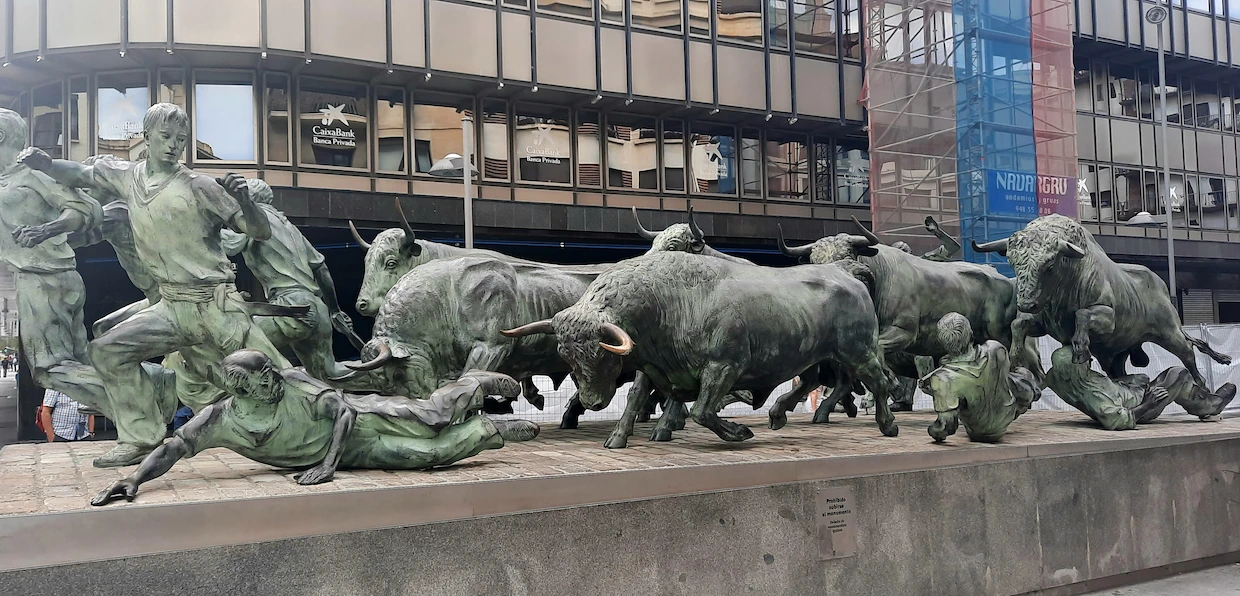
Navarre is a good introduction to the Spanish part of the story. Pamplona matters because of its history and identity, but on the Camino what matters even more is that this is where you really feel the shift from preparation into the actual pilgrim experience.
Basque Country
On the Camino, the Basque Country quickly creates its own atmosphere: strong regional identity, terrain, cities like Bilbao, and a sense of the north that feels both urban and raw.
Galicia
Galicia brings a different kind of ending: more moisture, more green, more stone, and the feeling that the route slowly narrows toward Santiago de Compostela.
Itineraries
3 days · Madrid
Madrid is a practical base. In three days, you get museums, the royal quarter, Retiro, evening tapas, and one strong day trip.
- Day 1: Prado, Retiro, a walk toward Puerta del Sol, Plaza Mayor, and evening tapas.
- Day 2: Royal Palace, Almudena, Gran Vía, and city neighborhoods.
- Day 3: Toledo or Segovia, depending on whether you want more history, viewpoints, or a more classic day trip.
- Base: Madrid, ideally near the metro or a main rail connection.
- Transport: you do not need a car in the city.
- Good for: a first visit, museums, tapas, city rhythm, and day trips.
4–5 days · Barcelona and Valencia
Barcelona and Valencia are a good Mediterranean combination if you want architecture, markets, the old town, and the coast.
- Days 1–3: Barcelona — Sagrada Família, Park Güell, the Gothic Quarter, markets, the coast, and an evening walk.
- Day 4: move toward Valencia, the old town, Central Market, and the former Turia riverbed.
- Day 5: Ciudad de las Artes y las Ciencias or the beach.
- Barcelona: book the biggest sights ahead, especially in season.
- Valencia: good for a softer pace, paella, Turia, and exceptional architecture.
5–6 days · Madrid and Barcelona
If you first want to catch Spain’s two most recognizable faces, Madrid and Barcelona are a logical combination. The plan is urban, strong in content, and easy to do by train.
- Days 1–2: Madrid — Prado, Retiro, Royal Palace, Plaza Mayor, and evening tapas.
- Day 3: Toledo or Segovia, or one slower extra day in Madrid.
- Days 4–5: Barcelona — Sagrada Família, Park Güell, the Gothic Quarter, markets, and the coast.
- Day 6: Montserrat, Girona, or a more relaxed final day in Barcelona.
- Madrid: better for museums and day trips.
- Barcelona: better for Gaudí’s masterpieces and a strong visual impression.
- Transfer: the train is usually the cleanest way to connect the two cities.
7–10 days · Andalusia
Seville gives Andalusia its rhythm, Córdoba adds the historical layer, and Granada brings the almost cinematic ending with the Alhambra.
- Days 1–3: Seville — Real Alcázar, cathedral, Giralda, Plaza de España, evening tapas, and city atmosphere.
- Day 4: Córdoba — Mezquita, the bridge, the old Jewish quarter, and an evening in the city.
- Days 5–7: Granada — Alhambra and Albaicín.
- Add-on: Málaga, Ronda, Cádiz, or one more day in Seville.
- Best rhythm: at least two nights in Seville and two in Granada.
- Alhambra: booking ahead is essential.
- Season: summer can be very hot inland in Andalusia, so spring and autumn are often better.
7+ days · North and Camino
The north is a different Spain — with a strong regional character.
- Start: Bilbao or San Sebastián for an authentic Basque experience.
- Continue: Cantabria or Asturias for the Atlantic part of the route.
- Finish: Galicia and Santiago de Compostela.
- Camino: choose a section based on time and preparation.
- Camino del Norte: traditional coastal Spain.
- Galicia: a rich, green landscape and the final stretch of the pilgrimage toward Santiago.
- Tip: when walking, a steady rhythm matters more than a perfect schedule.
How to choose the right plan
Choose one region or two clear contrasts and give them enough time.
- For a first visit: Madrid or Barcelona.
- For museums and day trips: Madrid, Toledo, or Segovia.
- For architecture and the sea: Barcelona and Valencia.
- For the strongest cultural route: Andalusia — Seville, Córdoba, and Granada.
- For a slow journey: the Camino is its own experience.
- For the best rhythm: with 4–6 days, choose one cluster; with 7–10 days, choose one region.
Food and music
Cuisine
Spain is easier to taste than to summarize. Food changes with the region. Madrid and Andalusia invite you with tapas, Basque Country turns dinner into a pintxos walk from bar to bar, Valencia brings you back to the home of paella, and Galicia places the Atlantic on the table. On the Camino, the best meal is often the simplest one — a pilgrim menu, shared at the end of a long walking day.
How to eat better
- Daily menu: often the best balance between price and quality.
- Markets: visit early or outside the busiest tourist hours.
- Pintxos: in the Basque Country, they work like an evening walk from bar to bar.
- Camino: a simple meal is sometimes better than “big cuisine.”
For a more practical approach, see my tips on food and local customs.
Music
Flamenco
As a musician, I would put this among Spain’s main highlights: the sound, the movement, the expression, and the feeling only flamenco can create.

About the art form
Flamenco is not just dance, but an artistic expression that brings together singing (cante), dance (baile), and guitar accompaniment (toque). It is most strongly connected with Andalusia, and in 2010 UNESCO added it to the list of Intangible Cultural Heritage.
For me, this musical style has an extra layer of meaning because of Vicente Amigo, one of the most recognizable contemporary flamenco guitarists and a key name in modern flamenco. He has been nominated and awarded multiple times by the Latin GRAMMYs. Since I have also seen his masterpieces performed live in concert, this connection with flamenco feels even more personal.
Festivals: Festival de Jerez, Bienal de Flamenco de Sevilla, Festival Internacional del Cante de las Minas.
Practical
Documents
Spain is part of the European Union and the Schengen Area. For Slovenian citizens, travel is usually straightforward, but you should still carry a valid identity card or passport.
- For Slovenian citizens: a valid identity card or passport.
- For children: every child needs their own identity document.
- Schengen: regular border checks are usually not in place, but temporary checks can happen.
- For non-EU travelers: check visa requirements, permitted length of stay, and document validity before departure.
- Train or flight: keep your document at hand, because identity checks can happen on some transport services.
Arrival
For a first visit, Madrid or Barcelona are the most logical entry points.
- Madrid: the best base for museums, Toledo, Segovia, and central Spain.
- Barcelona: the best base for Gaudí, markets, the coast, Girona, or Montserrat.
- Málaga or Seville: sensible choices for Andalusia.
- Bilbao / San Sebastián: good choices for the Basque Country and the north.
Transport
The train is one of the best solutions for Spain’s main routes, especially Madrid–Barcelona, Madrid–Seville, Madrid–Valencia, and connections between larger cities. Prices are dynamic, so for popular routes it is worth buying early enough.
- Renfe: the main official option for Spanish trains and high-speed connections.
- Prices: they change depending on date, demand, class, and ticket flexibility.
- Stations: in Madrid and Barcelona, check which station your train actually leaves from.
- Luggage: trains are usually less stressful than flights, but still check the ticket rules.
City transport
In Madrid, Barcelona, and Valencia, you do not need a car for a city visit. The most practical combination is walking, metro, tram, or local train, depending on the city and where your accommodation is.
- Madrid: the metro is very useful for most city transfers.
- Barcelona: combine metro and walking for Gaudí’s main sights.
- Valencia: Turia and the old town work well on foot or by bike.
- Accommodation: being close to the metro or train is often more important than sleeping in the most expensive center.
- Late arrival: before booking, check the last connections or taxi prices.
Driving tips
A car makes sense for Andalusia outside the main cities, the northern coast, smaller places, or more rural parts. In Madrid and Barcelona, it often means parking, restricted zones, and extra logistics rather than an advantage.
- ZBE: several Spanish cities have low-emission zones, so check the rules before entering by car.
- Parking: choose your hotel also based on the garage, not only the room location.
- Tolls: some highway sections can have tolls, so check your route before departure.
- Rental car: check insurance, deposit, fuel, and pick-up rules carefully.
Insurance
For Spain, have your European Health Insurance Card arranged, and add travel insurance if needed. The European card is useful for urgent or medically necessary care in the public system, but it does not cover all travel complications.
- European card: arrange it before departure if you do not have it or if it has expired.
- Additional insurance: sensible for assistance, trip cancellation, luggage, and possible transport home.
- Camino: if you plan several days of walking, check coverage for injuries, blisters, transport, and route changes.
- Offline copies: save your policy number, assistance contact, documents, and flight or train details.
Finances
Spain uses the euro, so conversion is simple.
- Cards: they work very well in cities, but some cash is useful for smaller places, markets, or on the Camino.
- Entrance fees: Barcelona, Madrid, and Andalusia quickly become more expensive if you want all the main sights.
- Buffer: add 10–15% for transport, luggage, late arrivals, tickets, or plan changes.
- Camino: the cost can be lower, but private rooms and additional transport quickly raise it.
Tickets and reservations
In Spain, many of the strongest stops depend on time slots, so it is worth separating in advance what needs booking. Barcelona, Granada, and the major museums deserve the most attention.
- Barcelona: book Sagrada Família and Park Güell ahead, especially in season.
- Granada: book the Alhambra ahead.
- Madrid: with major museums, choose what interests you most.
- Andalusia: check opening hours, because heat and siesta can quickly change the rhythm of the day.
Emergency numbers
Save emergency numbers before departure, together with your accommodation contact, insurance contact, and a copy of your documents. On the Camino, keep the information available offline too.
- 112: single European emergency number and the main emergency call in Spain.
- 091: national police.
- 062: Guardia Civil, often important outside cities and on the roads.
- 061: emergency medical assistance in many parts of Spain.