Switzerland
Switzerland
Switzerland at a Glance
Switzerland is a compact landlocked country where you can move from a lakeside city center to a high alpine valley, across a mountain pass, or onto a panoramic train in a single day.
It borders France, Germany, Austria, Liechtenstein, and Italy, which makes it especially useful as part of a wider journey through the Alps. It has thousands of lakes, a strong alpine identity, polished historic cities, smaller medieval old towns, ski resorts, hiking trails, chocolate, cheese, watches, and an almost cliché-level sense of order.
What also makes Switzerland interesting is that it is not one single cultural story. It has four national languages: German, French, Italian, and Romansh. Geneva and Lausanne feel French in tone, Ticino is already almost Mediterranean, while Zürich and Lucerne are more German-Swiss.
The currency is the Swiss franc. Cards are widely accepted, but cash is still practical for small expenses, mountain huts, local stops, or parking.
- Best first pick: Lucerne for classic Switzerland with a lake and mountains, or Geneva for a more elegant, French-flavored start.
- Iconic mountain image: Zermatt and the Matterhorn, especially if you want a slower high-alpine rhythm.
- Getting around: for trains, boats, and city transport, there is the Swiss Travel Pass; for fewer transfers, the Half Fare Card often makes more sense.
- Budget: the most expensive parts of the trip are accommodation, mountain railways, gondolas, restaurants, and spontaneous extras.
- Best time to go: spring and fall for cities and lakes, summer for hiking, winter for skiing.
Guide to Switzerland
At just over 41,000 km2, Switzerland is not one of Europe’s larger countries, but it more than makes up for that with an incredibly varied landscape. Along Lake Geneva, the rhythm is elegant, urban, and French in tone. Around Lucerne, the most classic image of Switzerland begins to appear, where the old town, the lake, and the mountains almost blend into one. In the Bernese Oberland, valleys, waterfalls, cable cars, scenic railways, and peaks take over. Near the Matterhorn, the day already starts moving to a high-alpine rhythm.
Interlaken is a convenient base, but the real face of the Bernese Oberland appears only when you get to Lauterbrunnen, Grindelwald, Wengen, and Mürren. There, Switzerland becomes noticeably steeper and richer in viewpoints. Zermatt tells a similar story, shaped almost completely by the Matterhorn. Panoramic trains add a special sense of journey to the landscape.
The Alps, of course, are not only a Swiss story. The high mountain world naturally continues into France and Italy as well. The French Alps feel more spread out and strongly outdoor-focused, while the Italian alpine side adds a softer rhythm, a different food culture, and a blend of alpine and Mediterranean character.
Cities and Stops

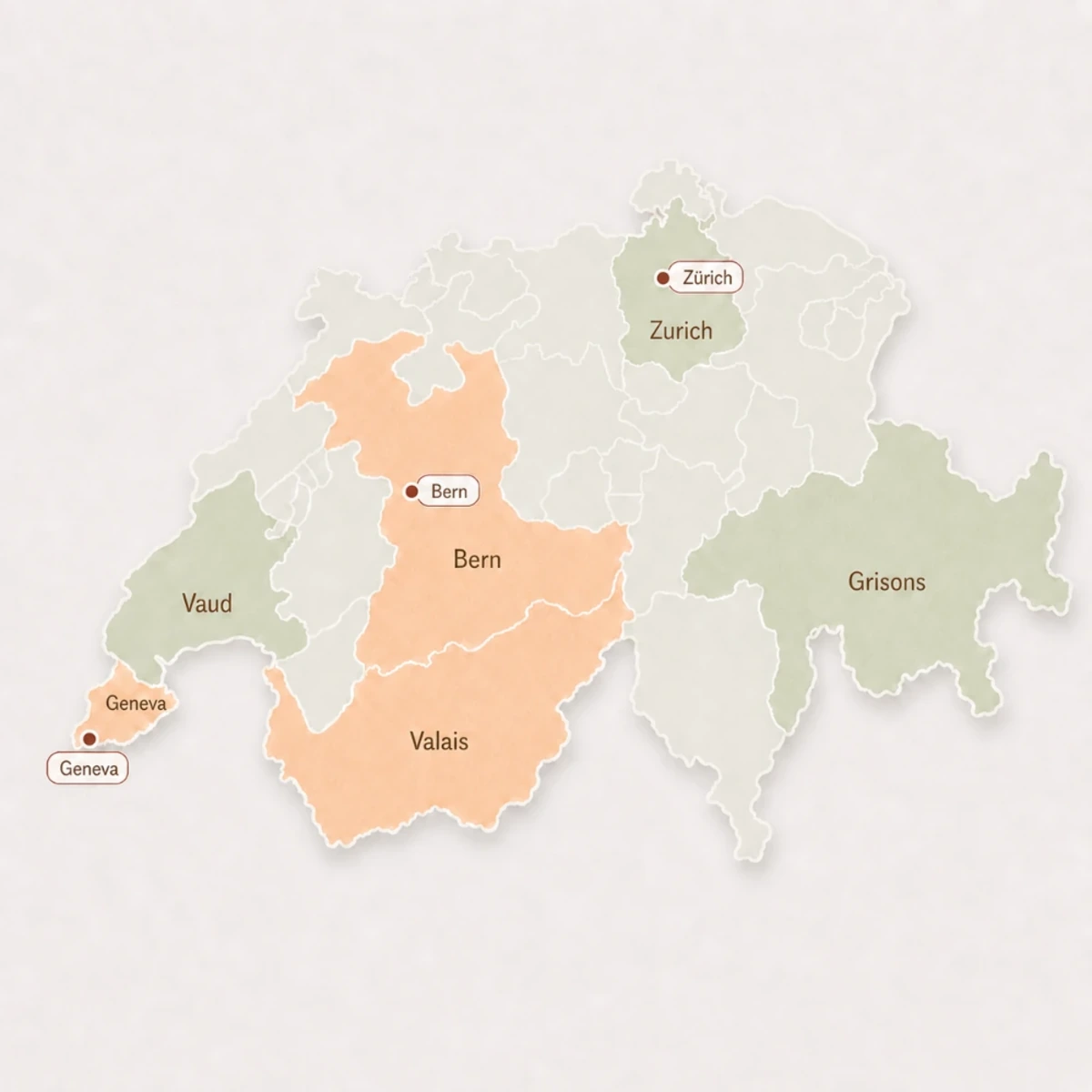
Geneva
The best urban introduction to French-speaking Switzerland: the lake, Jet d’Eau, the old town, parks, international organizations, and museums.

Lucerne
A very useful first taste of classic Switzerland: the old town, Kapellbrücke, the lake, boats, and trips toward Rigi or Pilatus.

Bern
The Swiss capital with one of the most beautiful old towns in the country, arcades, the Aare River, and a very pleasant, slower city rhythm.

Zürich
The most urban choice: the old town, Bahnhofstrasse, the lake, museums, strong rail connections, and the easiest arrival by plane.
City introduction
Geneva
Geneva is a good place to start if you want to get to know Switzerland without jumping straight into the high mountains.
What to see on your first day
The most natural start is a walk along the lake and a view of the Jet d’Eau, one of the city’s most recognizable images. The water jet rises about 140 meters high, so you can spot it quickly from different parts of the shore. From the lake, move toward the old town, where St. Pierre Cathedral and Place du Bourg-de-Four make good anchors.
- Morning: the lake, Jet d’Eau, Jardin Anglais, and the Flower Clock.
- Noon: the old town, St. Pierre Cathedral, and a café.
- Afternoon: a museum, a park, or the international district.
International Geneva
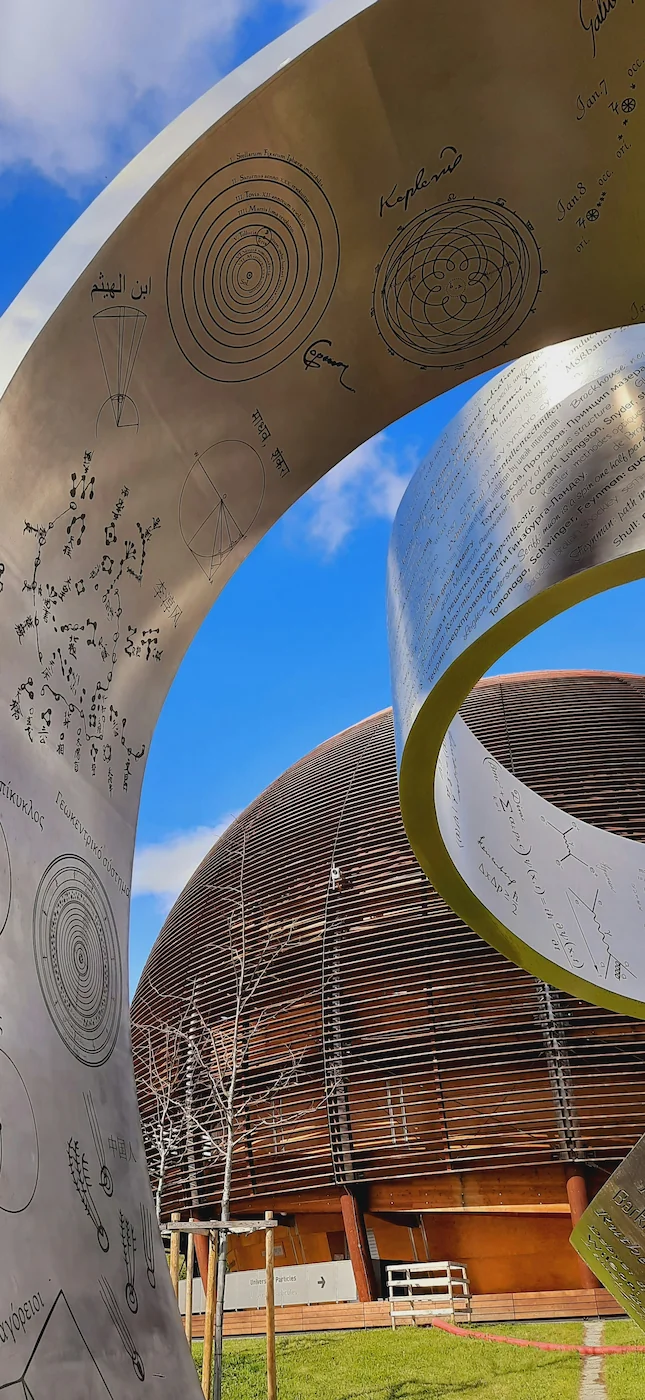
Geneva is not interesting only because of the lake. It is a city with a strong international character: the European headquarters of the United Nations, a humanitarian tradition, and the nearby International Red Cross and Red Crescent Museum give it a different tone from most alpine cities. CERN Science Gateway deserves special attention too — a modern science center where the world of particles, space, and research that changes how we understand nature becomes approachable.
How long to stay
If you are coming mainly for Switzerland with views, it is better to leave more time for Lucerne, the Bernese Oberland, or Zermatt.
Lucerne
Why include it
Lucerne is one of the best bases for a first visit to Switzerland because it is small enough for an easy walk, but still very strong as a starting point for day trips. It has an old town, a lake, Kapellbrücke, a promenade, and that classic Swiss feeling where the city almost quietly flows into the mountains.
If you want to introduce Switzerland to someone who has never been, Lucerne is a “safer” first pick than Zürich. It is not necessarily the cheapest, but visually it gives you a lot and logistically it is simple.
What to do
A day in Lucerne can be simple: the old town, Kapellbrücke, the lakeshore, a nearby café, and a museum if you feel like it.
- Kapellbrücke: the city’s most famous image and a very good place to start your walk.
- Lake Lucerne: a boat ride, a walk, or just a slow stop by the water.
- Old Town: façades, squares, bridges, and a calmer city rhythm.
- Swiss Museum of Transport: a good choice if you are traveling with children or if trains, planes, cars, and technology interest you.
Trips from Lucerne
Lucerne is useful because you do not have to change base right away. From the city, you can do an easier trip to Rigi, a more dramatic day on Pilatus, or a panoramic train move toward Interlaken. If you have a Swiss Travel Pass, check what is included and where you still need a supplement or reservation.
- Rigi: a calmer mountain trip.
- Pilatus: more spectacular, but also more visited.
- Lucerne–Interlaken Express: an excellent move between lakes and mountains.
Alps
Bernese Oberland
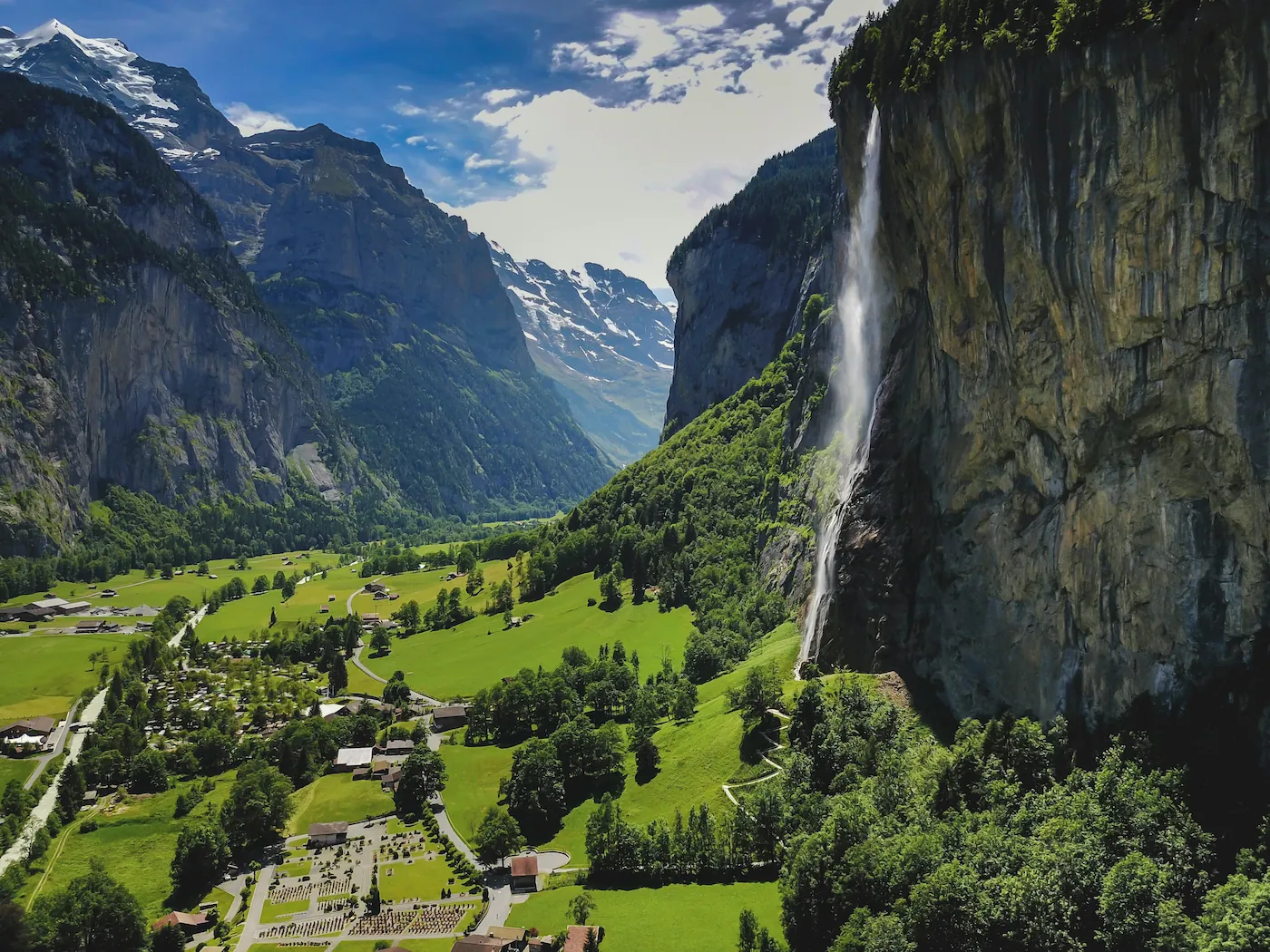
If you want the Switzerland you probably imagine before your first visit, the Bernese Oberland is the strongest candidate. Here you get Lauterbrunnen Valley with its waterfalls, villages above the valley, views toward the Eiger, Mönch, and Jungfrau, trips toward Kleine Scheidegg, and the option of visiting Jungfraujoch.
The biggest mistake is trying to do everything in one day. The region is beautiful, but also expensive and weather-sensitive. Weather should be part of the decision, not just a note in the plan.
Lauterbrunnen and Jungfrau
Lauterbrunnen
Lauterbrunnen is a very strong base if you want to be among cliffs, waterfalls, and mountain villages. The valley is known for 72 waterfalls, with Staubbachfall as the most recognizable one, dropping from a high rock wall almost directly above the village. This is one of those places where you do not need to overplan: even a walk through the valley does its job.
- Best: 2 nights, if you want a chance at at least one good weather day.
- For a first visit: Lauterbrunnen, Wengen, or Mürren.
Wengen, Mürren, and Grindelwald
Wengen and Mürren are useful if you want a quieter mountain feeling without car noise. Grindelwald is more developed, more visited, and practical for trips toward First, Kleine Scheidegg, or Jungfraujoch. None of these choices is wrong; the difference is mostly in the pace.
If this is your first trip, choose your base based on what you want to see from the window in the morning: a valley with waterfalls, a mountain village, or a livelier starting point.
Jungfraujoch
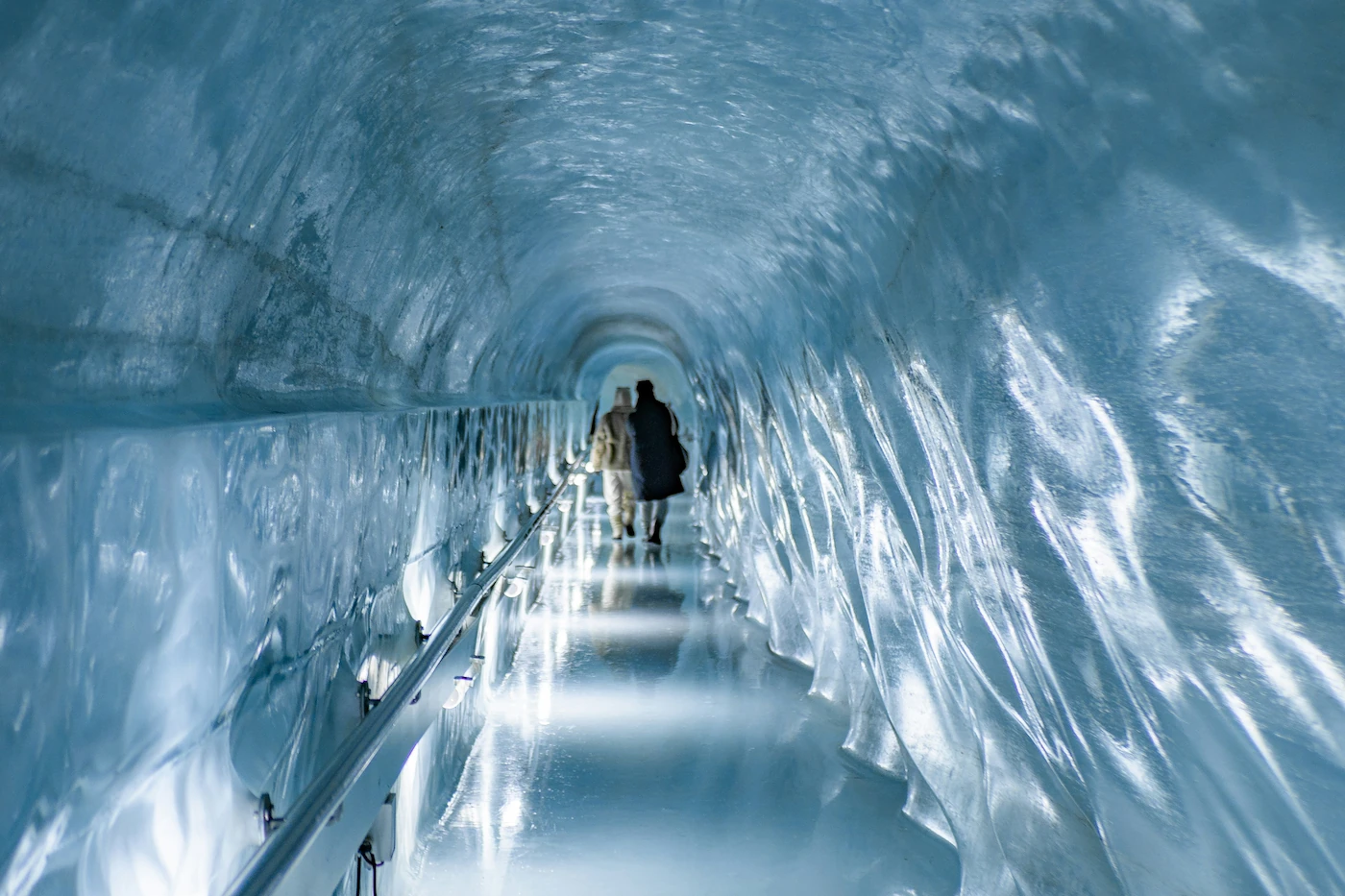
Jungfraujoch is a big, expensive, and very special trip. It sits at 3,454 meters above sea level and is considered the highest railway station in Europe. The view toward the Aletsch Glacier is extraordinary, but only when the weather cooperates.
This is not a trip you force into a bad-weather day. If the forecast is poor, it is better to stay lower, choose a scenic trail, a lake, a village, or another valley, and save Jungfraujoch for a clearer day.
Zermatt and the Matterhorn
Why Zermatt
Zermatt is the most iconic choice when you want to connect Switzerland with the Matterhorn. The village is car-free, so it has a different rhythm from a classic tourist base. You usually get there by train; if arriving by car, you leave the car in Täsch and continue by shuttle train.
Gornergrat
Gornergrat is one of the most beautiful and most logical trips from Zermatt. The advantage is that you get a high-alpine view without a demanding hike. If the day is clear, this is one of the most rewarding views of the Matterhorn and the surrounding four-thousand-meter peaks.
How long to stay
One night is too little for Zermatt, unless you use it only as a stop. Two nights make more sense because they give you a chance at one clear viewing day. If the weather misbehaves, it is good to have an alternative plan: a shorter walk or a museum visit.
Panoramic Trains
Glacier Express
The Glacier Express connects Zermatt and St. Moritz, or the other way around. The journey takes about 8 hours, so do not plan it as “quick transport,” but as a full-day experience. This is a train where the journey really is the destination.

GoldenPass and Lucerne–Interlaken
For a first visit, a shorter panoramic section is often more practical: Lucerne–Interlaken or part of the route toward Montreux. You get excellent views without spending the whole day on a train.
How to Use Trains in Switzerland
When the train is part of the trip
Switzerland is one of the rare destinations where moving between places is often just as beautiful as the destination itself. That is why it is not worth looking only at the fastest connection. Sometimes the better choice is a slower route along a lake, across a pass, or with a more logical stop on the way.
Glacier Express
The Glacier Express makes the most sense if you have enough days and want to experience the journey itself. Because it connects Zermatt and St. Moritz, it does not make sense to add it to every first visit. If your route stays between Geneva, Lucerne, and the Bernese Oberland, a shorter panoramic section may be the better choice.
Grand Train Tour
The Grand Train Tour of Switzerland connects several of the most famous panoramic lines. It is excellent if you want to put train travel at the center of the trip, less so if you want to stay longer in each place. For most first visits, it is better to take only selected sections.
Reservations
With regular trains, you usually do not need to complicate things. With panoramic trains, however, check whether you need a seat reservation, even when the ride itself is included in your ticket or pass. This is one of the most common planning mistakes.
Tips for Hikers
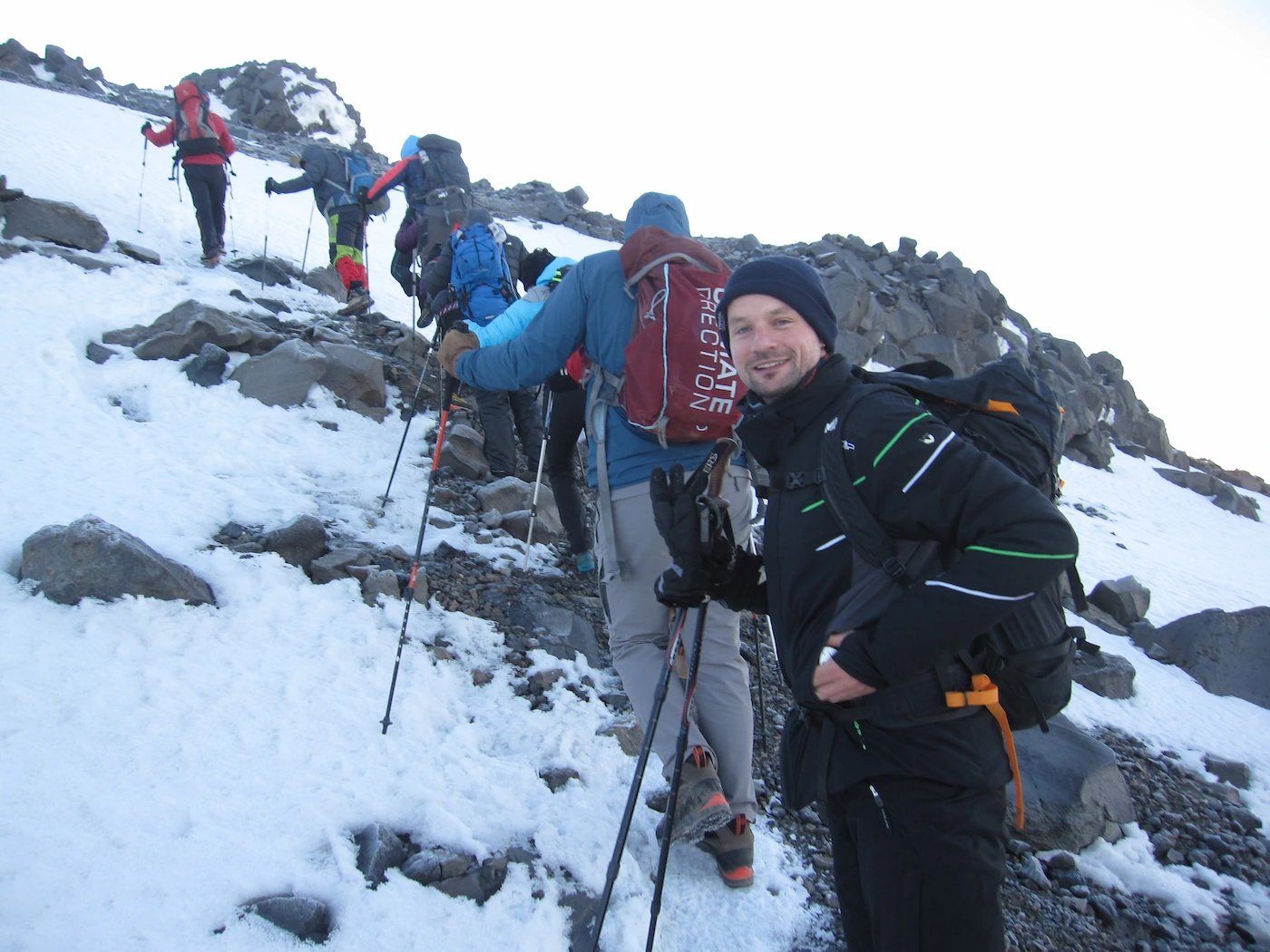
Switzerland is a hiking paradise: from easy panoramic walks to serious mountain tours. You do not need to be a mountaineer to experience it well, but you do need to be realistic about weather, difficulty, gear, and time.
Check before every hike
- Weather and conditions: before you leave, check the forecast for the altitude you are heading to, not just for the town in the valley.
- Suitability of the route: choose the trail based on fitness, elevation gain, terrain, and the experience of the group.
- Time and return: start early enough, plan breaks, and leave yourself a buffer for a safe descent.
- Gear and navigation: carry water, clothing layers, sun protection, a charged phone, and a map or reliable navigation.
Itineraries
3 days · Geneva or Lucerne
With three days, choose one city base. Switzerland gets expensive quickly, so it is better to have one clear start.
- Geneva: the lake, Jet d’Eau, the old town, St. Pierre Cathedral, Jardin Anglais and, if you want, CERN or the international district.
- Lucerne: the old town, Kapellbrücke, the lake, the promenade and, if you want, a shorter trip to Rigi or a boat ride.
- Backup day: a museum, a slower walk, the lake or an easier viewpoint trip, depending on the weather.
- Geneva: better for a French-flavoured city introduction, the lake and museums.
- Lucerne: better for the classic Swiss combination of old town, lake and mountains.
- Tip: with only three days, do not add Zermatt unless the Matterhorn is the main reason for the trip.
5 days · Lucerne and the Bernese Oberland
This is the most useful first plan for classic Switzerland.
- Days 1–2: Lucerne — the old town, Kapellbrücke, the lake, the Swiss Museum of Transport or a trip to Rigi or Pilatus.
- Day 3: transfer towards Interlaken, Lauterbrunnen, Wengen, Mürren or Grindelwald.
- Day 4: Lauterbrunnen, waterfalls, the valley, villages above the valley or an easier scenic trail.
- Day 5: Jungfraujoch only in good weather; otherwise choose a lower viewpoint, a lake or a slower mountain day.
- Best rhythm: two nights in Lucerne and at least two nights in the Bernese Oberland.
- Weather: for mountain trips, the forecast should decide the day, not a fixed timetable.
- Practical: Interlaken is convenient, but the feeling of the region is often stronger in Lauterbrunnen, Wengen, Mürren or Grindelwald.
7 days · City, mountains and a panoramic train
One week is a good compromise if you want to experience Switzerland as a whole, not only as a city break or only as a mountain trip.
- Day 1: arrive in Zürich or Geneva and start with an easier city introduction.
- Days 2–3: Lucerne — the old town, the lake, Rigi, Pilatus or a museum.
- Days 4–5: the Bernese Oberland — Lauterbrunnen, Grindelwald, Wengen, Mürren or a scenic trail.
- Day 6: a panoramic train section, for example Lucerne–Interlaken or part of the GoldenPass route.
- Day 7: Bern, Zürich or a slower finish before departure.
- For a first visit: do not add too many bases; two or three are enough.
- For the train: the transfer should be part of the experience, not only transport between hotels.
- For the budget: fewer base changes often means fewer hidden costs.
8–10 days · Classic Switzerland
With eight to ten days, you can include both strong faces of Switzerland: the lake-and-city part and the high-alpine part.
- Days 1–2: Geneva or Zürich, depending on your arrival and flight connections.
- Days 3–4: Lucerne, the lake, Kapellbrücke, Rigi, Pilatus or the Swiss Museum of Transport.
- Days 5–7: the Bernese Oberland — Lauterbrunnen, Wengen, Mürren, Grindelwald, Kleine Scheidegg or Jungfraujoch.
- Days 8–9: Zermatt and the Matterhorn, Gornergrat or an easier high-alpine walk.
- Day 10: return towards Zürich, Geneva or a slower ending.
- Zermatt: two nights are better than a rushed one-day jump.
- Jungfraujoch: plan it as a weather-dependent trip, not as an obligation whatever the conditions.
- Practical: with this length, it is worth seriously comparing the Swiss Travel Pass, Half Fare Card and individual tickets.
10+ days · Switzerland by train
If trains interest you, Switzerland quickly becomes its own rail story.
- Start: Zürich, Geneva or Basel, depending on arrival.
- Classic part: Lucerne, the Bernese Oberland and Zermatt.
- Panoramic part: Glacier Express, the Bernina route, GoldenPass or sections of the Grand Train Tour.
- Add-on: Chur, St. Moritz, Montreux, Ticino or Basel if you have enough time.
- Glacier Express: do not plan it as quick transport, but as a full-day experience.
- Panoramic trains: they often require a seat reservation, even if you have a pass.
- Tip: choose a few strong rail sections, not all of them at once.
Food
Not just cheese and chocolate
Switzerland is more diverse in food than it may seem at first glance. Of course, fondue, raclette, and chocolate are part of the story, but the difference between Geneva, Lucerne, Zürich, Bern, and the mountain areas is quite obvious.
The French-speaking part
Around Geneva and Lake Geneva, the feeling is more French: longer meals, cafés, lakeside promenades, wine, and a more elegant tempo. This is a good part of the country for a slower dinner, not only for a quick bite between trains.
The alpine part
In the mountains, dishes that make sense after a cold day or a hike come forward more: fondue, raclette, rösti, soups, stews, and simple, filling plates. Prices can be high, so it is worth planning part of your meals in advance.
Practical
If you want to save money, combine things: one good dinner, and during the day a bakery, grocery store, picnic by the lake, or a simple local spot. In Switzerland, even the most basic meal can become expensive quickly, so food planning is part of the budget.
Practical
Documents
Switzerland is not a member of the European Union, but it is part of the Schengen Area. For EU and EFTA citizens, entry is usually possible with a valid identity card or passport.
- For EU and EFTA citizens: a valid identity card or passport.
- For children: every child needs their own identity document.
- Schengen: regular border checks are usually not in place, but temporary checks can happen.
- For non-EU travellers: check visa requirements, permitted length of stay and document validity before departure.
- Road trip: keep your document within reach, especially if you combine the trip with France, Germany, Italy, Austria or Liechtenstein.
Insurance
The European Health Insurance Card is highly recommended for Switzerland, but it is not a replacement for travel insurance. In Switzerland, additional insurance makes particular sense because of high service costs, mountain activities and possible logistical complications.
- European card: arrange it before departure if you do not have it or if it has expired.
- Additional insurance: sensible for assistance, trip cancellation, luggage, transport home and private services.
- Mountains: for hiking, skiing, gondolas and more remote valleys, check coverage for rescue and injuries.
- Costs: in Switzerland, do not assume that a medical or logistical problem will be cheap.
- Offline copies: save your policy number, assistance contact, documents and accommodation details.
Transport
Switzerland is one of the best European countries for travelling by train. The Swiss Travel Pass can be very useful, but it is not always the cheapest option. If you make fewer transfers or do many mountain trips, the Swiss Half Fare Card often makes more sense.
- Swiss Travel Pass: useful for several consecutive days with trains, buses, boats and city transport.
- Half Fare Card: sensible if you want discounts on individual journeys, mountain railways and a more flexible rhythm.
- City transport: in Zürich, Geneva, Lucerne, Bern and Basel, you usually do not need a car.
- Practical: before buying a pass, write down your actual transfers and compare costs.
- Do not forget: panoramic trains may require mandatory reservations even when the ride itself is included in a pass.
Reservations
Regular trains generally do not need reservations, but panoramic trains are a different story. For mountain railways and gondolas, check the weather, last departures and conditions, especially for Jungfraujoch, Gornergrat and the most visited viewpoints.
- Panoramic trains: check mandatory seat reservations and possible supplements.
- Jungfraujoch: buy or confirm the plan based on the weather, not only by the date in your itinerary.
- Gornergrat: most meaningful on a clear day, when the Matterhorn is actually visible.
- Gondolas: check last departures, wind, maintenance work and seasonal closures.
- Hotels: in Lucerne, Zermatt and the Bernese Oberland, do not leave them to the last minute in high season.
Budget
Switzerland is expensive and costs add up faster than expected.
- Accommodation: book early and compare the location with the actual transport costs.
- Mountain trips: Jungfraujoch, Gornergrat, Pilatus and similar trips should be part of the budget before departure.
- Food: combine one good dinner, bakeries, grocery stores, picnics by the lake and simple local places.
- Transport: compare individual tickets, the Swiss Travel Pass and the Half Fare Card.
Phone and navigation
Because Switzerland is not in the EU, check your mobile plan and roaming before departure. This is one of those things that is better to sort out in advance, because maps, timetables, weather forecasts and accommodation details quickly use data.
- Roaming: check the prices for calls, messages and mobile data in Switzerland.
- Offline maps: save cities, accommodation, train stations and mountain bases.
- Weather: in the mountains, check the forecast for the altitude you are going to, not only for the valley town.
- Trains: apps are very useful, but for important connections leave a time buffer.
- Mountains: do not assume that the signal will always be good exactly when you need it most.
Cash and cards
Switzerland uses the Swiss franc. Cards are widely accepted, but some cash is still practical for smaller expenses, mountain huts, local stops, parking or situations where you do not want to depend on a terminal.
- Cards: useful in hotels, restaurants, shops, museums and at most tourist points.
- Cash: keep some for huts, smaller places, local stops, toilets, markets or parking.
- Exchange: check bank fees, ATM withdrawals and the exchange rate.
- Practical: do not withdraw too much cash, because card payments are very widespread.
Car or train
For cities and classic tourist routes, the train is often the better choice. A car makes sense if you go into more remote valleys or travel with a lot of gear, but parking, the vignette, garages and car-free places quickly change the calculation.
- Train: best for Zürich, Geneva, Lucerne, Bern, the Bernese Oberland, Zermatt and panoramic routes.
- Car: useful for more remote valleys, more equipment or a combination with surrounding countries.
- Vignette: to use Swiss motorways, you need a vignette; both sticker and e-vignette options exist.
- Zermatt: the village is car-free, so when arriving by car you usually park in Täsch and continue by train.
- Cities: parking in larger cities can be expensive and logistically impractical.
Emergency numbers
Save emergency numbers before departure, together with your accommodation contact, insurance contact and a copy of your documents. In the mountains, during train transfers or on a road trip, keep the information available offline too.
- 112: general European emergency number.
- 117: police.
- 118: fire brigade.
- 144: emergency medical assistance.
- Mountains: in an accident, first secure safety, then call help and your insurance assistance.