
Germany
Germany
Germany at a glance
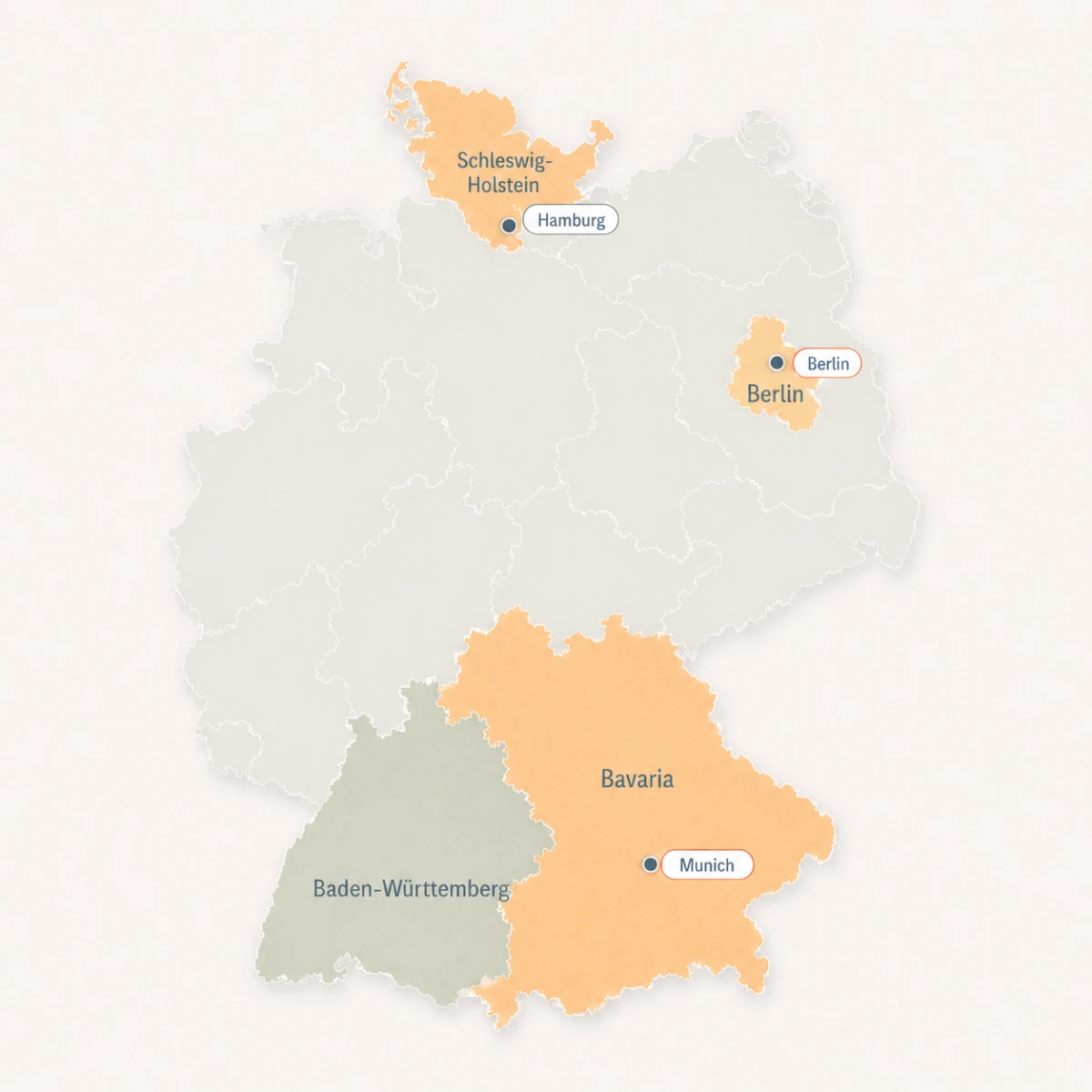
Germany is big, varied and most useful when you do not try to visit it all at once. For a first visit, it is best to divide it into clear parts: Bavaria, the southwest, Berlin and the east or the north. That way the trip quickly gets a rhythm and does not become just a collection of kilometres.
- Best first choice: Munich as a base for Bavaria, Deutsches Museum, Allianz Arena and trips toward Ingolstadt.
- For 4–5 days: Munich, Ingolstadt and Stuttgart for the city, technology and automotive heritage.
- Automotive focus: Audi museum mobile in Ingolstadt and Mercedes-Benz Museum in Stuttgart.
- History and urban energy: Berlin — museums, 20th-century history, street culture and evening energy.
- The north: Hamburg with its port character and a connection to Wacken.
Germany guide
Germany is not a country for one single explanation. In the south, you get Bavaria, beer gardens, football pride, traditional city streets and a technology museum, while a few hours of driving away the focus shifts to automotive heritage, Berlin’s historical memory or the northern, more port-like character.
Germany is best planned in sections. Munich is traditional, organized and ideal for visits such as Deutsches Museum and Allianz Arena. Ingolstadt and Stuttgart open up the automotive side of the country, where Audi, Mercedes-Benz and driving on the German Autobahn are not just movements between places, but part of the experience. A similar industrial and automotive story is written by Czechia, whose flagship name is Škoda.
Berlin adds a completely different tone. Here Germany is no longer only organized, technical and recognizably Bavarian, but also historically heavy, culturally strong and more metropolitan. The Berlin Wall, museums, the memory of the 20th century, street culture and evening energy create a unique contrast. Hamburg turns the country toward the north: the port, a different pace and a good connection to the festival story of Wacken in Schleswig-Holstein.
Cities and stops
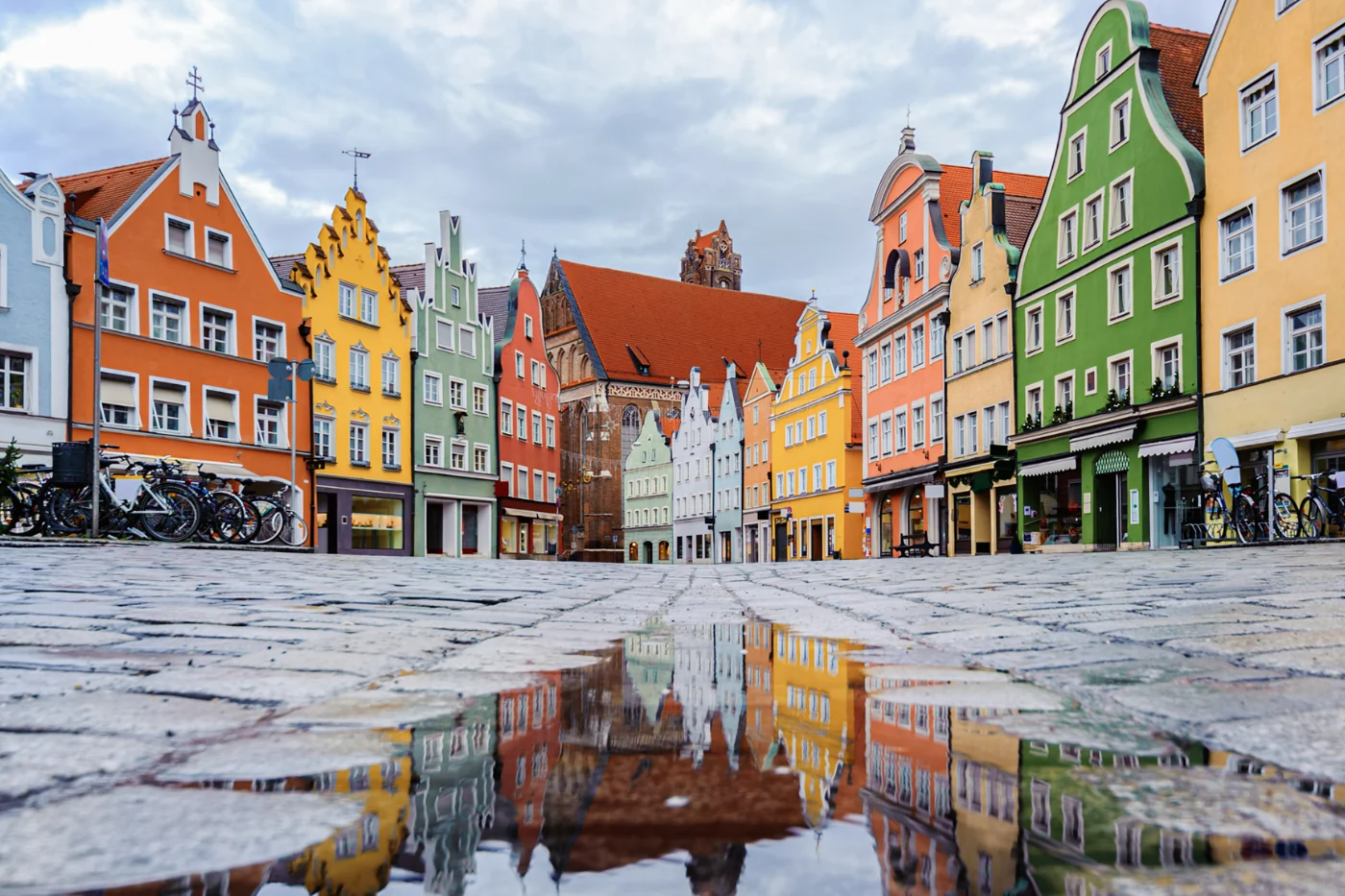
Munich
The most useful first contact with Bavaria: the old town, beer gardens, a technology museum, a football giant and enough content for 2–3 days.
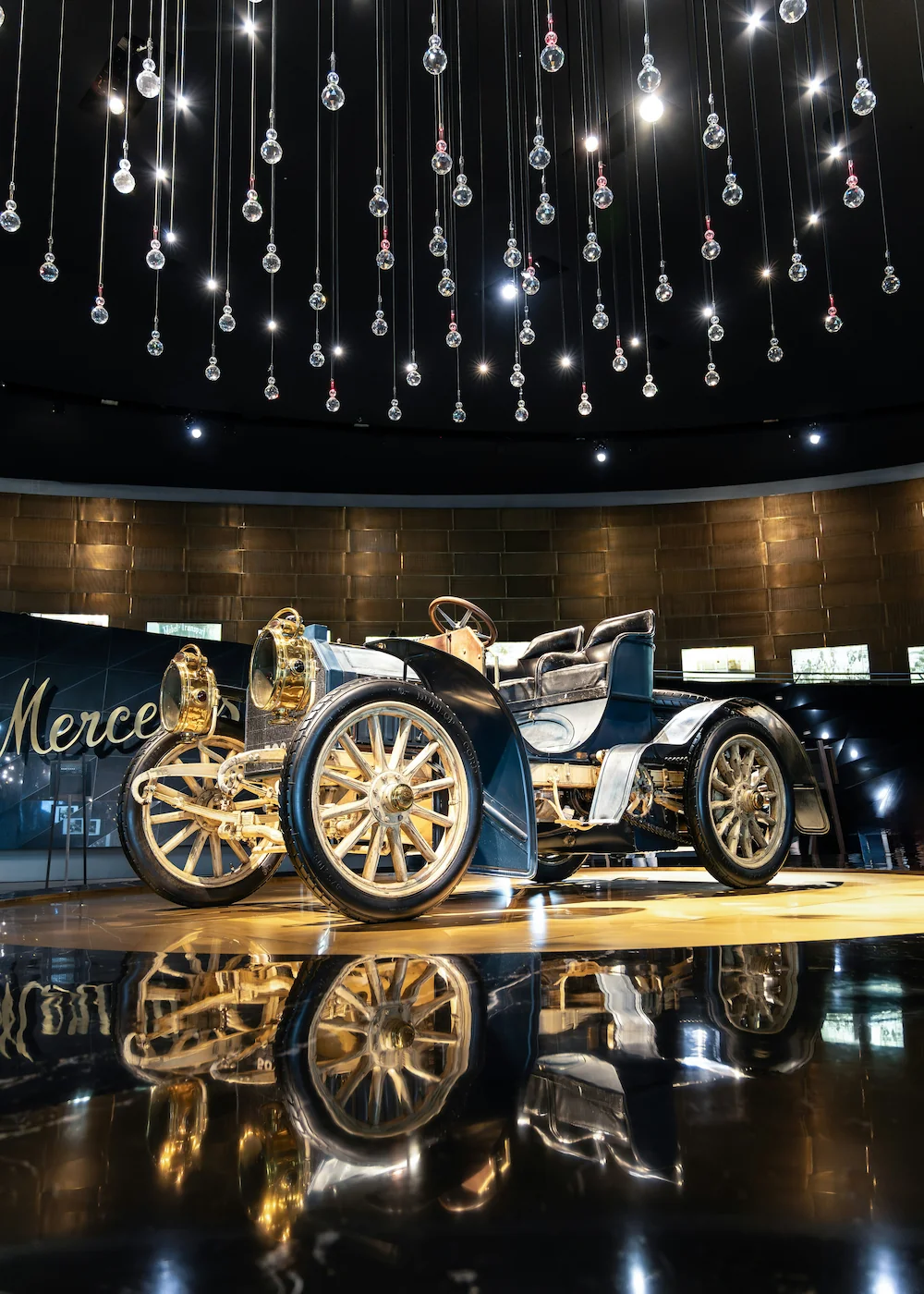
Stuttgart
A content-rich stop for southwest Germany, the automotive story, Mercedes-Benz Museum, Swabian food and a trip to Waldenbuch.
Berlin
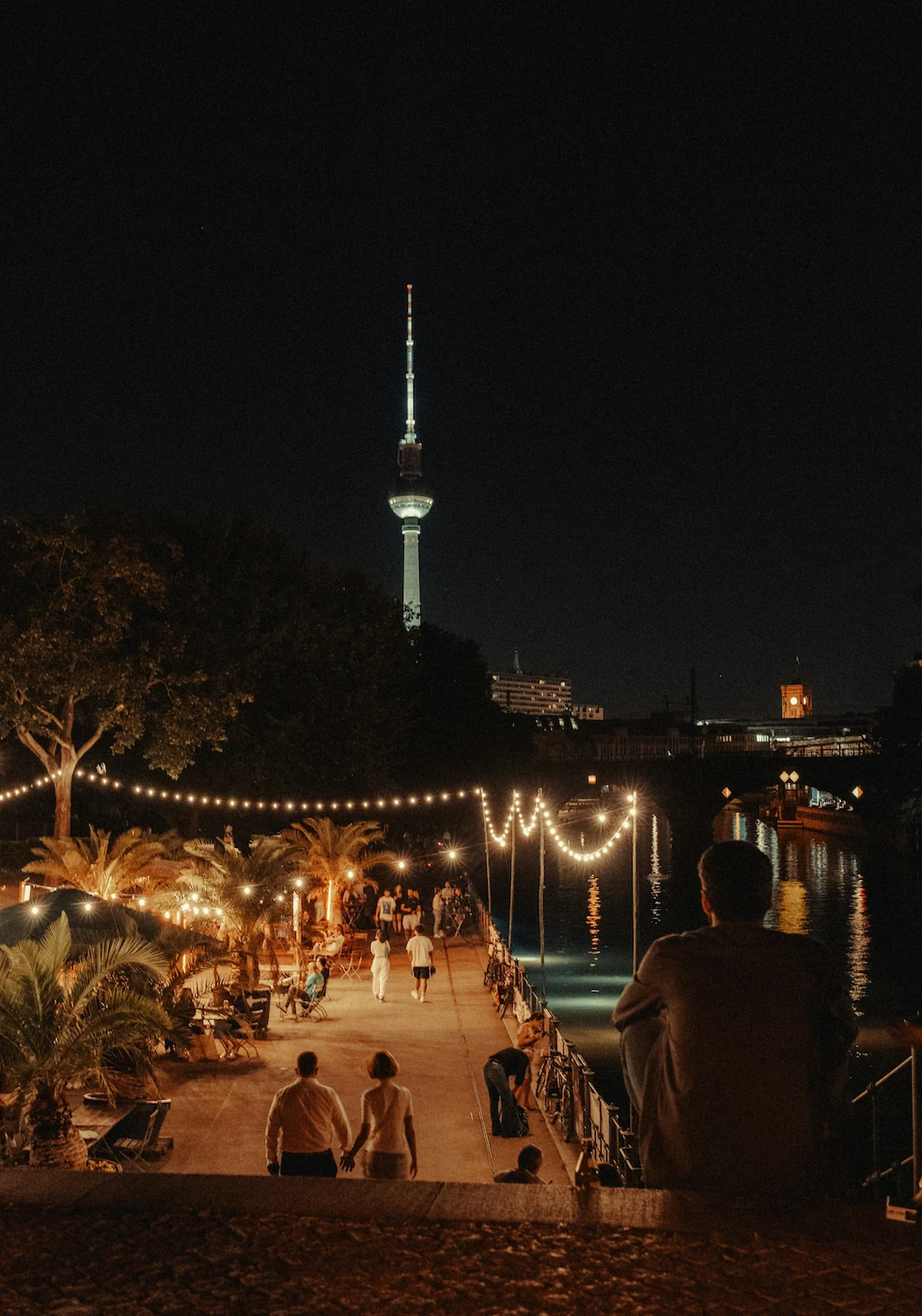
20th-century history, the Berlin Wall, museums, the Reichstag, urban culture and a lively evening rhythm.
Ingolstadt
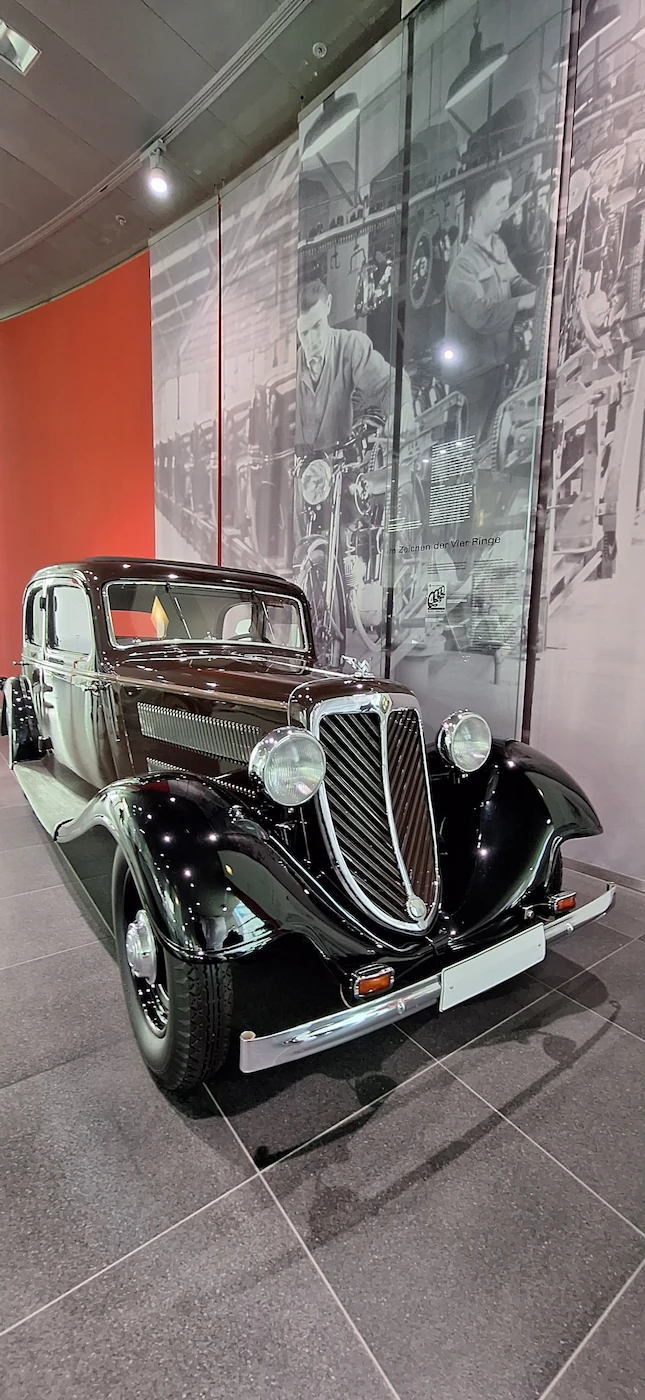
Most useful as an in-between stop between Munich and Stuttgart. The main reason is Audi museum mobile and the story of the four rings.
Hamburg
The northern contrast to Munich and Stuttgart: the port, the Elbe, Speicherstadt, Elbphilharmonie and a good connection to Wacken.
Waldenbuch
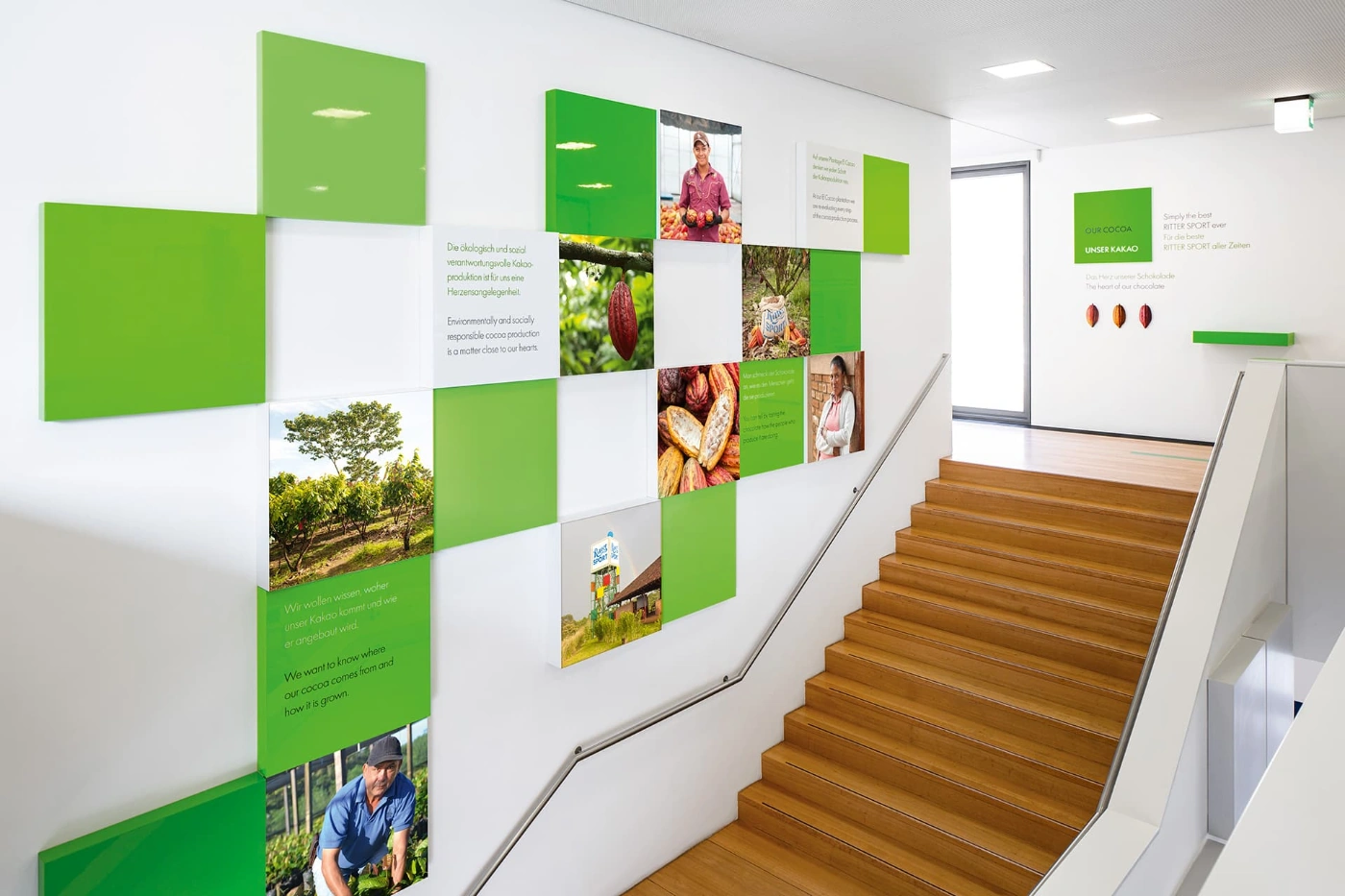
The sweetest addition to Stuttgart: Ritter Sport, a chocolate shop, workshops, Museum Ritter and a more relaxed end to the day.
Munich
Bavarian classic
Munich is the best first contact with Bavaria if you want to combine an old town, strong museums, an automotive and technical world, a football highlight and a very organized city rhythm in one place. It is not just a “nice city break,” but a good 2–4 day base: one day can go to Marienplatz, the Residenz and beer-hall life, another to Deutsches Museum or BMW Welt, and the evening can end at the stadium, by the Isar or in one of the classic beer halls.
Munich is the most useful first contact with Bavaria: the old town, Marienplatz, Viktualienmarkt, beer gardens, an organized city rhythm and enough concrete sights for 2–3 days. If you want to add something more special to the city, include Eisbach in Englischer Garten, where you can see river surfers in the middle of the city.
- Marienplatz and Neues Rathaus: the best start to the visit, because you immediately get a feeling for the old town, city hall, Glockenspiel and the pedestrian zones around the centre.
- Frauenkirche, Viktualienmarkt and Residenz: a good combination for a classic city walk with a church, market, palace and enough stops for coffee.
- Deutsches Museum: a very concrete content day for technology, science, transport, energy and the history of inventions.
- Allianz Arena: for the sports part of the trip, especially when you catch a match.
- Englischer Garten and Eisbachwelle: the city contrast after museums and the centre — a large park, a surf wave, a walk by the water and a relaxed Munich rhythm.
Deutsches Museum and Allianz Arena
For the technical part, set aside at least half a day for Deutsches Museum. The main building has around 20 permanent exhibitions across 20,000 m², and inside you can lose yourself among aviation, space, robotics, health or energy. Basic day tickets range from €16 to €33.
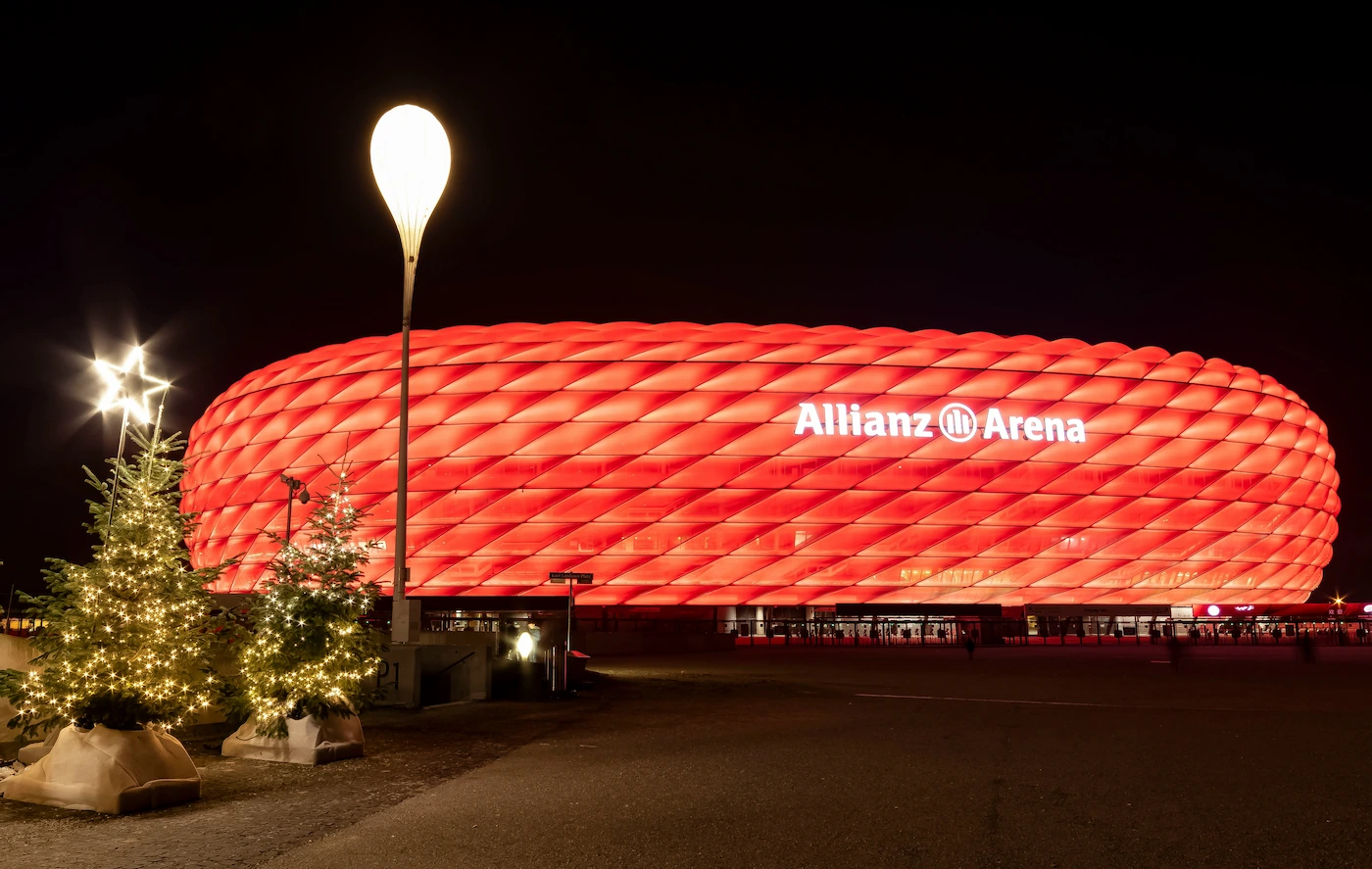
For the football part, Allianz Arena works best as a combination of the stadium pitch-side experience and the FC Bayern Museum. The stadium tour with the museum takes about 2.5 hours and comes to just under €40 with the museum included.
The best formula for Munich is simple: one day for the city, one day for Deutsches Museum and one day for the stadium or a trip. If you have less time, it is better to choose two things well than four things in a hurry.
Stuttgart and Waldenbuch
What is the main point?
Stuttgart is not necessarily the first city a person connects with a romantic city break, but it is very strong if you build the visit around a clear interest. Mercedes-Benz Museum gives the city an identity and weight that a tourist quickly feels after just one day.
Stuttgart in Baden-Württemberg is less of a “postcard” stop and more of a content-rich one. The biggest reason to visit is Mercedes-Benz Museum, where the story is not only about cars, but about the beginning of modern mobility. The visit starts with the year 1886 and the Benz Patent-Motorwagen, then the museum leads you through nine levels and more than 130 years of automotive history, design, racing, industry and everyday life.
The museum has more than 160 vehicles and more than 1,500 exhibits, so reserve 2.5–4 hours for it rather than treating it as just a quick stop. A day ticket for adults is €16, the reduced ticket is €8, and the museum is usually open from Tuesday to Sunday between 9:00 and 18:00.
Waldenbuch as a lighter addition
If you still have energy in the day, Stuttgart pairs nicely with local Swabian food such as Maultaschen or Spätzle, or with an easier trip toward Waldenbuch.
Waldenbuch is (literally) the sweetest stop near Stuttgart. Ritter Sport Bunte Schokowelt is interesting because of its chocolate shop, exhibition and workshops where you can create your own chocolate. Nearby there is also Museum Ritter, which is more of an art stop than a tourist stop. Adult admission is €8, while children and young people up to 17 enter free of charge.
- If you are a car and design enthusiast.
- If industrial history interests you.
- If you want a “break” from Munich.
- If you want to end an automotive day with a lighter, sweet stop.
Berlin
Why include it
Berlin makes sense when you want to give Germany more range. The city is strong in 20th-century history, museums, contemporary art, alternative culture and evening energy. On this kind of page, it works as a counterweight to Bavaria and the automotive focus.
Berlin is best divided by themes: the Berlin Wall, East Side Gallery, Checkpoint Charlie, Brandenburg Gate, the Reichstag and 20th-century memorials for the historical part; Museum Island for museums; and Kreuzberg, Prenzlauer Berg or Friedrichshain for a more street-level and evening experience.
What to plan in advance
East Side Gallery is a free open-air gallery section of the wall, and the Reichstag dome is also free, but it requires advance registration.
Museum Island is strong, but it needs planning: a day ticket for the museum island costs €24, and you should check the opening status of individual museums, because Pergamon Museum is undergoing major renovation and is expected to partially reopen only in 2027.
- 2–3 days for a first contact.
- Very strong from a historical or cultural point of view.
- Good for evening events.
- Check the registration for the Reichstag dome in time.
Top museums
If technology, brand development, production and spaces where the country’s industrial identity is still very tangible interest you, this is one of the best reasons to visit.
Deutsches Museum (Munich)
This is one of the best stops for everyone interested in how things work. Instead of rushing through it quickly, it makes more sense to visit it with focus: choose 2–3 content areas and take your time. This is the type of museum that rewards a slower visit.
Audi museum mobile (Ingolstadt)
An excellent in-between stop between the city and the industrial story. It works for car lovers, but also more broadly for everyone interested in the development of mobility, design and brand history.
Mercedes-Benz Museum (Stuttgart)
If you want one of the strongest automotive anchor points on the page, this is it. The museum is visually strong, rich enough in content and can easily become the main reason for a full day in Stuttgart.
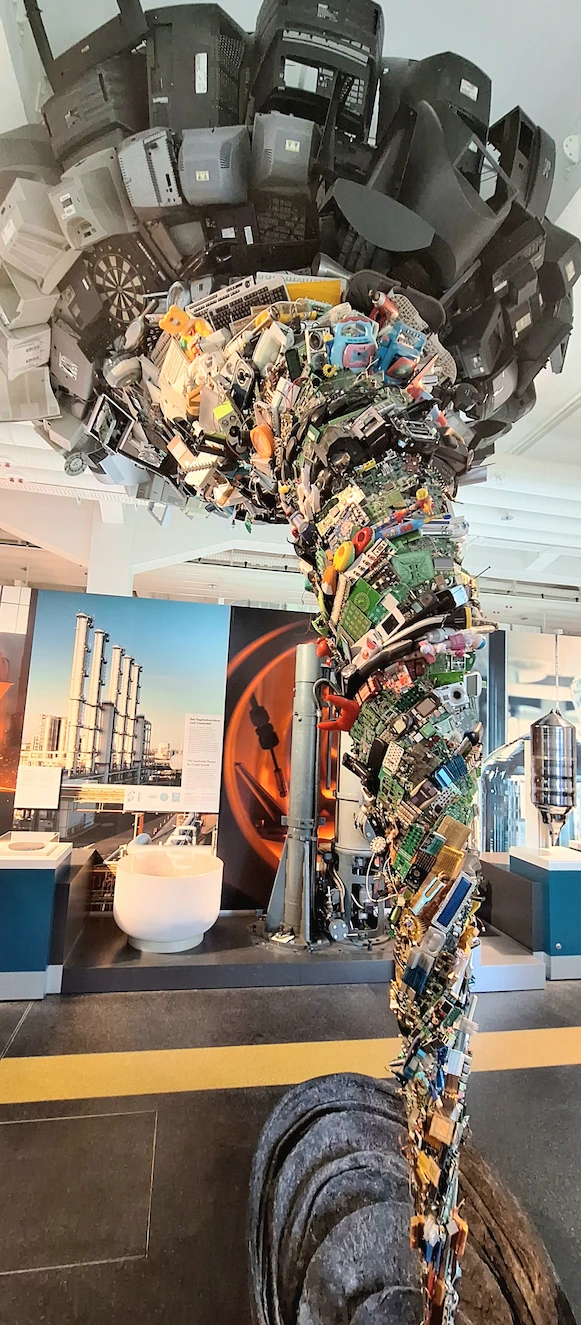
Deutsches Museum
Deutsches Museum is the best technical visit in Munich and one of those stops that does not make sense to simply tick off quickly. If aviation, space, robotics, energy, health or transport interest you, choose 2–3 sections before your visit.
Set aside at least half a day for the museum. If you squeeze it between the old town, lunch and Allianz Arena, it can quickly become too much. It works much better as the main content part of the day, especially in bad weather or when you want to add something more to Munich than just a city walk.
- The best technical stop in Munich.
- Reserve at least half a day.
- Choose 2–3 sections.
Audi museum mobile
Audi museum mobile makes the most sense as an in-between stop between Munich and Stuttgart. Ingolstadt is not a place where you necessarily need to stay for several days, but it is very useful for a road trip rhythm: leave Munich in the morning, take time for Audi, then continue toward the southwest.
The museum is not as large as Mercedes-Benz Museum in Stuttgart, so do not plan it as a full-day visit. It works best for 1.5–2 hours, especially if the story of the four rings interests you: Audi, DKW, Horch and Wanderer, or the broader development of Auto Union. It is a good automotive contrast to Mercedes.
Ingolstadt in Bavaria works best as an in-between stop between Munich and Stuttgart. Audi museum mobile is not a large full-day museum: 1.5–2 hours. Audi is not presented only as a brand, but through the four rings: Audi, DKW, Horch and Wanderer, or the broader Auto Union story. The museum has more than 100 cars and two-wheelers from 1899 onward, and the guided tour “The history of the four rings” takes about 60 minutes and costs €10.
- Plan about 1.5–2 hours for the visit.
- It complements Mercedes-Benz Museum well because it shows a different automotive story.
- It makes sense for a road trip, less so as the only reason for a journey.
- The guided tour about the story of the four rings takes about 60 minutes and costs €10.
Mercedes-Benz Museum
Mercedes-Benz Museum is the main reason Stuttgart works on this page as a strong stop, not just as a city between Munich and western Germany. The museum connects the beginning of automotive history, brand development, design, racing and the wider impact of the car on everyday life.
Give it 2.5–4 hours rather than treating it as a quick jump between two drives. It works best as the central visit of the day: museum in the morning, then lunch or a shorter walk around Stuttgart. If you connect it with Waldenbuch, you get a very clean southwest day: first the automotive story, then a lighter chocolate stop.
- Plan about 2.5–4 hours for the visit.
- It works even if you are not a full-on car enthusiast.
- It pairs well with Waldenbuch as a lighter end to the day.
Allianz Arena and Waldenbuch
Allianz Arena and Waldenbuch are two lighter stops that nicely break up a more museum-heavy and automotive route. Allianz Arena makes the most sense as Munich’s sports highlight, while Waldenbuch is a relaxed add-on to Stuttgart.
Waldenbuch is best known for Ritter Sport Bunte Schokowelt, where the chocolate shop, exhibition and workshops come together in a short stop. If you have more time, nearby Museum Ritter adds an artistic contrast.
- Allianz Arena is a spectacular sports venue in Munich.
- Waldenbuch is known for Ritter Sport Bunte Schokowelt.
- Together, they add a more relaxed rhythm to the route.
Music festival
Hamburg and Wacken Open Air
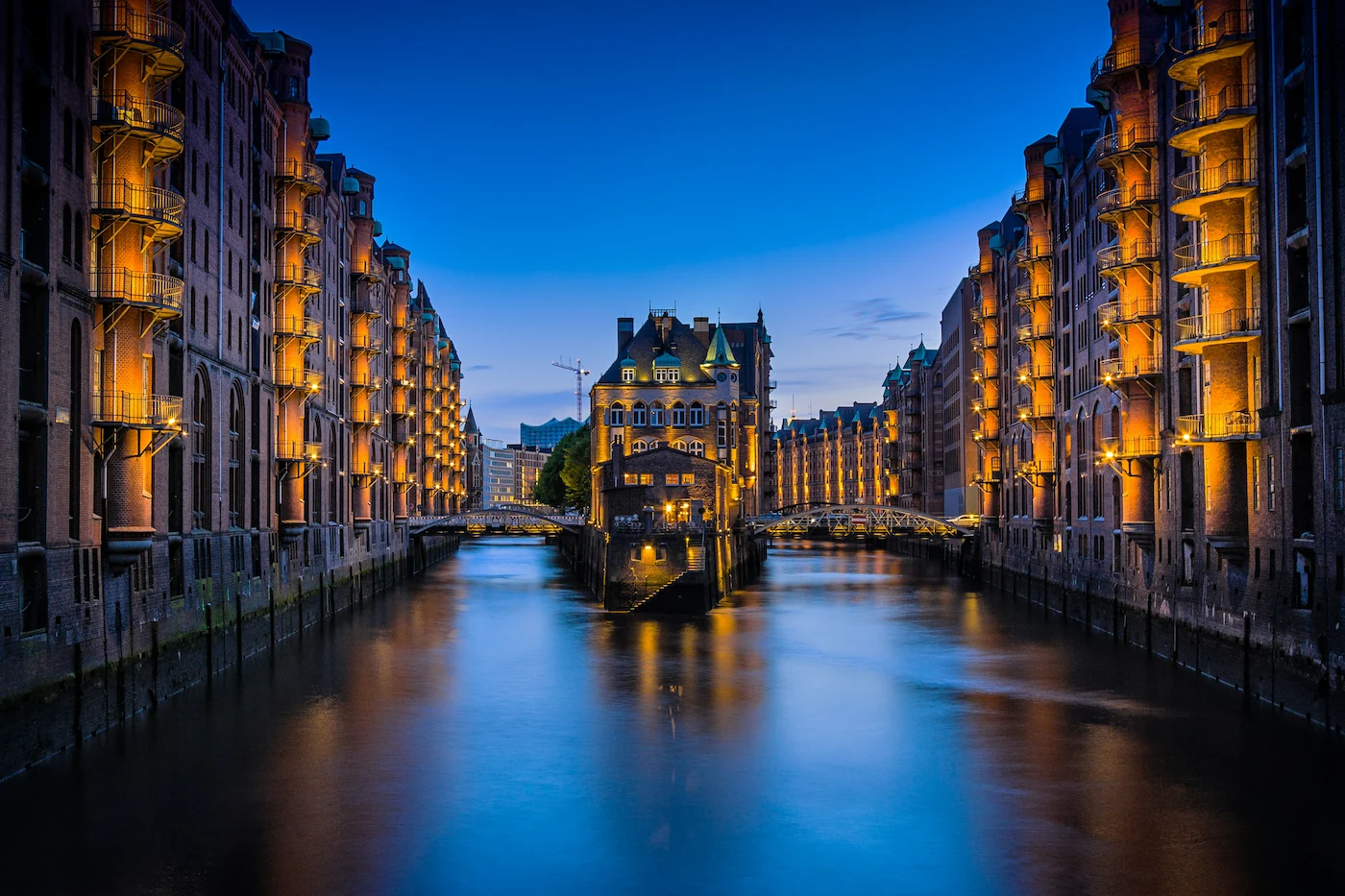
Hamburg as a base for the north
Hamburg is the best northern contrast to Munich and Stuttgart. Instead of Bavaria, you get the port, the Elbe, canals, brick-built Speicherstadt, views from Elbphilharmonie Plaza and the city’s industrial character.
For a first visit, Speicherstadt, a harbor walk or Hafenrundfahrt and Elbphilharmonie work well. The Plaza at Elbphilharmonie can be free for spontaneous visits, while an advance time-slot reservation costs a €3 reservation fee.
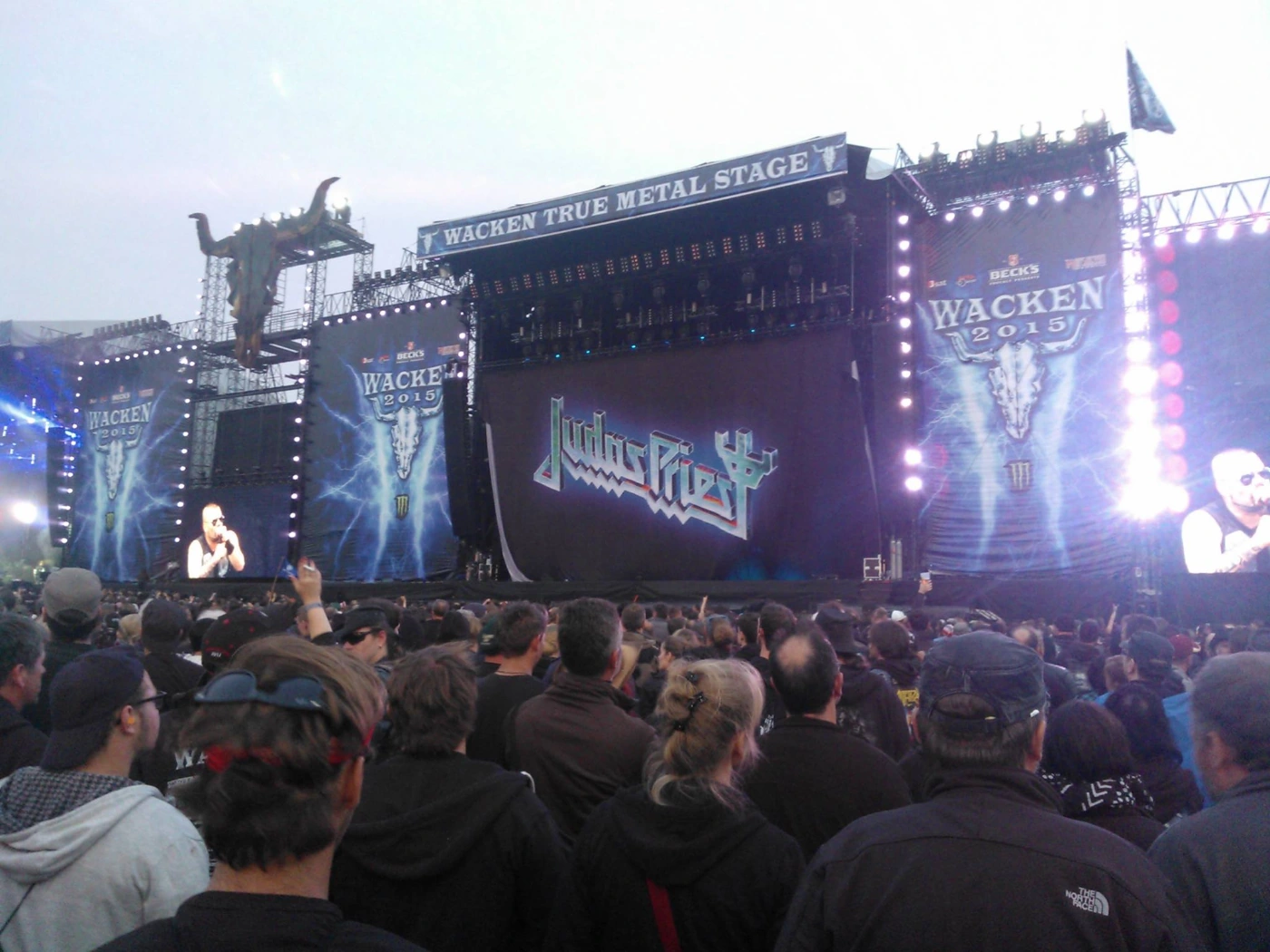
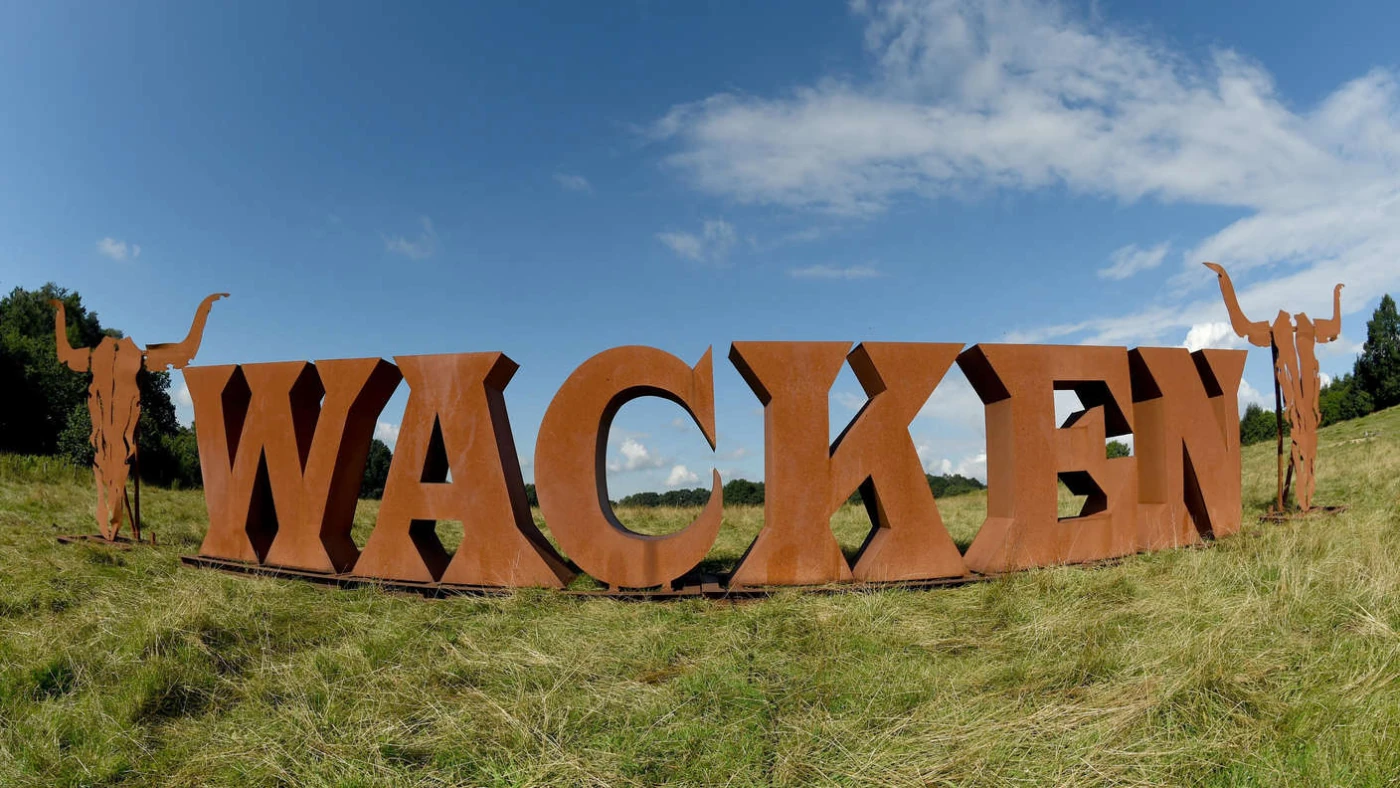
If you are interested in Germany’s music side, Hamburg is also the most logical base for the north and Wacken in Schleswig-Holstein; W:O:A 2026 runs from July 29 to August 1, with camping included earlier.
Wacken
Wacken does not have to be part of every visit to Germany, but if you are planning a trip in the right season, it can become the central reason to head north. It works well in combination with Hamburg, northern cities or as a stand-alone themed trip.
For this kind of visit, logistics matter: parking, camping, early enough reservations and a realistic arrival plan.
Tips
If you are thinking about not always standing only below the stage at festivals like this (or smaller ones too), I have a tip or we can put it on the page.
Itineraries
2–3 days: Munich
- Day 1: centre, squares and beer garden.
- Day 2: Deutsches Museum.
- Day 3: Allianz Arena.
4–5 days
- Days 1–2: Munich – city, museum, stadium.
- Day 3: Ingolstadt – Audi as an in-between stop.
- Days 4–5: Stuttgart – Mercedes-Benz Museum.
5–6 days: Berlin and Munich
- Berlin for history, culture and urban energy.
- Munich for Bavaria, technology and tradition.
Stuttgart and Waldenbuch
- Day 1: Mercedes-Benz Museum.
- Day 2: the city or an easier program in Waldenbuch.
- Day 3: local market or café.
Hamburg and Wacken
- Hamburg as the urban base of the north.
- Wacken as the central seasonal reason to see legendary bands.
- Expect changeable weather conditions.
Food
Germany is much more diverse than we often reduce it to with beer, sausages and pretzels. Of course, Bavaria has a strong beer identity and that is part of the experience, but it is very useful to think regionally: Munich and the south are a different story from Berlin, the north or the Rhineland.
Choose one concrete food anchor for each day. In Munich, that might be a beer garden at Viktualienmarkt; in Berlin, Street Food Thursday at Markthalle Neun or a classic currywurst; in Hamburg, a fish sandwich by the port; and in Stuttgart, an inn with Swabian dishes.
- Munich: Viktualienmarkt, beer gardens, Brotzeit, pretzels, Weißwurst and classic Bavarian plates.
- Berlin: currywurst, döner, Markthalle Neun and international street food.
- Hamburg: Fischbrötchen, Fischmarkt, harbor snacks and a northern maritime character.
- Stuttgart: Maultaschen, Spätzle, Kässpätzle, Linsen mit Spätzle and Swabian cuisine.

Itineraries
Germany works best when you plan it in clear sections instead of trying to cover the whole country in one sweep. These itineraries are built around time, travel style and the most logical city combinations.
Munich is the easiest first base, Munich–Ingolstadt–Stuttgart is the cleanest route for technology and automotive history, Berlin adds the historical and urban contrast, while Hamburg opens up the north and the Wacken connection.
2–3 days · Munich
If you only have a short break in Germany, Munich is the easiest way to get a strong first taste of Bavaria.
- Day 1: Marienplatz, Neues Rathaus, Frauenkirche, Viktualienmarkt, Residenz and an evening in a beer hall or beer garden.
- Day 2: Deutsches Museum as the main visit of the day, followed by a walk along the Isar or through Englischer Garten.
- Day 3: Allianz Arena, FC Bayern Museum, BMW Welt or a slower day around Eisbachwelle and the park.
- Base: Munich, ideally close to U-Bahn or S-Bahn connections.
- Transport: you do not need a car inside the city.
- Best for: a first visit, Bavaria, technical museums, football and a classic city break.
4–5 days · Munich, Ingolstadt and Stuttgart
This is the cleanest route if you want Germany through Bavaria, technology and automotive heritage. Munich gives you the city and museum start, Ingolstadt works as a short stop on the way, and Stuttgart adds the full Mercedes-Benz experience.
- Days 1–2: Munich — old town, Deutsches Museum, beer gardens, Allianz Arena or Englischer Garten.
- Day 3: Ingolstadt — Audi museum mobile as a focused stop on the way southwest.
- Day 4: Stuttgart — Mercedes-Benz Museum as the main visit of the day.
- Day 5: Waldenbuch, Ritter Sport, Museum Ritter or a slower finish in Stuttgart.
- Best rhythm: Deutsches Museum, Audi and Mercedes spread across two focused days.
- For an automotive focus: Audi and Mercedes show two different sides of German mobility.
- Tip: check museums, stadium tours and workshops before you go.
5–6 days · Berlin and Munich
Berlin and Munich work well together if you want two very different versions of Germany. Berlin is heavier in history, more urban and culturally layered. Munich is more orderly, traditional and technical.
- Days 1–3: Berlin — Brandenburg Gate, Reichstag, Berlin Wall, East Side Gallery, Museum Island and an evening in Kreuzberg or Friedrichshain.
- Days 4–5: Munich — Marienplatz, Residenz, Viktualienmarkt, Deutsches Museum or Englischer Garten.
- Day 6: Allianz Arena or BMW Welt.
- Berlin: better for 20th-century history, museums, nightlife and urban culture.
- Munich: better for Bavaria, technical museums and beer gardens.
- Transfer: train or flight.
3 days · Stuttgart and Waldenbuch
Stuttgart is not necessarily the most postcard-like city, but it becomes very rewarding when the trip has a clear focus. Mercedes-Benz Museum is strong enough for a full day, while Waldenbuch adds a lighter chocolate stop.
- Day 1: a walk through the centre, Schlossplatz and a Swabian dinner.
- Day 2: Mercedes-Benz Museum as the main visit of the day, plus a shorter look around the city.
- Day 3: Waldenbuch — Ritter Sport Bunte Schokowelt and Museum Ritter.
- For the museum: allow 2.5–4 hours rather than treating it as a quick stop.
- For food: Maultaschen, Spätzle, Kässpätzle and traditional Swabian inns.
- For a lighter addition: Waldenbuch breaks up the industrial and automotive theme nicely.
4–5 days · Hamburg and Wacken
Hamburg is the strongest northern contrast to Bavaria and the automotive southwest. In the right season, northern Germany can become a mix of port city, Elbe river views, Speicherstadt and festival atmosphere.
- Day 1: Hamburg — Speicherstadt, HafenCity, Elbphilharmonie Plaza and a walk by the harbour.
- Day 2: harbour cruise, Fischmarkt, St. Pauli, Reeperbahn or a calmer day around the Alster.
- Days 3–5: Wacken, if the festival is the main reason for the trip.
- Hamburg: good for northern city rhythm, the port and distinctive architecture.
- Wacken: best if the line-up gives you a real reason to build the trip around the festival.
Practical
Documents
Germany is part of the EU and the Schengen Area, so entry is straightforward for many European travellers. In practice, you should still treat your travel document as something to check early, not the evening before departure.
Travellers from the EU, EEA and Switzerland can usually enter with a valid national ID card or passport. If you are travelling with children, each child needs their own document. Travellers from outside this group should check visa rules, passport validity and entry conditions before booking.
- Always check: the validity of your ID card or passport before buying tickets.
- For families: children need their own travel document.
- For non-EU travellers: check visa rules, entry conditions and passport validity in advance.
Insurance
If you are eligible for a European Health Insurance Card, bring it with you. It can help with necessary healthcare in the public system, but it is not a replacement for proper travel insurance.
Extra travel insurance is especially useful if you are planning a longer trip, a road trip, a festival, winter travel or several active days. Save the assistance number somewhere you can reach quickly.
- EHIC: useful if you are eligible for it.
- Travel insurance: recommended for longer trips, festivals and road trips.
- On your phone: save your policy details and assistance contact.
Reservations
For stadiums, museums, guided tours and festivals, check times and booking rules in advance. Germany is well organised, but that does not mean you can always walk into the most popular visits without a plan.
In Munich, check Deutsches Museum and Allianz Arena ahead of time. In Berlin, register early for the Reichstag dome and check Museum Island opening details. In Stuttgart, confirm the Mercedes-Benz Museum schedule. For Wacken or other large events, plan the ticket, arrival, camping, weather and departure together.
- Museums: check opening times, closed days and possible renovations.
- Stadiums: tours may be limited on match days or event days.
- Berlin: some free sights still require advance registration.
Transport
Germany has a strong network of trains, buses and local transport, but longer transfers still deserve a buffer. A route can look simple on paper and still become tight once you add platforms, delays or city traffic.
In major cities, public transport is usually easier than driving. Munich, Berlin, Hamburg and Stuttgart are places where parking, traffic and environmental zones can quickly make a car feel like extra work.
- In cities: check day tickets, group tickets and local transport zones.
- For trains: compare connections, check the official source and leave time for transfers.
- For extra planning: see also travel tips.
Driving in cities
If you are travelling to Germany by car, do not plan only the distance. In larger cities, parking can be expensive, garages can fill up quickly and some urban areas have specific entry rules.
Before leaving, check whether you need an environmental sticker for the cities on your route, where you can park and whether it is easier to leave the car outside the centre. In Munich, Stuttgart, Berlin and Hamburg, accommodation with parking or a P+R option is often the calmest solution.
- Hotel: choose it with parking in mind, not only by room price.
- City centre: check garages and parking prices before you arrive.
- Autobahn: it is part of the experience, but so are traffic jams on busy sections.
Payment
Cards work widely in Germany, but cash is still useful. Smaller cafés, market stalls, parking machines, public toilets or local stops are not always ideal for card-only travel.
The most practical setup is simple: use a card for hotels, larger purchases and tickets, and keep some cash for small costs, tips, snacks, parking or unexpected situations.
- Safest setup: two payment methods and a small cash reserve.
- Before departure: check fees for withdrawals and foreign payments.
- On the road: use ATMs when you can choose calmly, not when you are in a rush.
Phone, internet and navigation
If your mobile plan includes EU roaming, using your phone in Germany is usually simple. Still, check your data limits before leaving, especially if you rely heavily on navigation, maps, translation tools, transport apps or online bookings.
For larger cities, road trips and festivals, save offline maps as well. Signal can be weaker in garages, at crowded events, in rural areas or exactly when you need it most.
- Before departure: check roaming, data limits and any fair-use restrictions.
- Offline: save city maps, accommodation details and your main stops.