
Hungary
Hungary
Hungary at a glance
Hungary is a smart pick when you want one trip to bring together a grand capital, thermal-bath culture, a lake escape, and a few more unexpected stops. Budapest is the most natural starting point, and from there the route can open toward Lake Balaton, the Danube Bend, Eger, Pécs, or Szeged.
- Best first pick: Budapest for a city break, Danube views, and thermal baths.
- For 4–6 days: Budapest or Balaton, the Danube Bend and Szeged.
- For an active pace: cycling around Lake Balaton, city walks, and views from castle hills.
- For a music angle: Sziget, Budapest Ritmo, summer festivals, and traditional táncház.
- For contrast: ruin bars at night, baths in the morning, the lake in the afternoon, and quieter towns when you need a deeper breath.

Hungary travel guide
Hungary is easiest to read through a few strong scenes. The first is Budapest: a city on the Danube,
where Buda and Pest are tied together by bridges, viewpoints, history, and a very alive evening rhythm.
In the same day, you can catch the Castle Hill, Parliament, a thermal bath, a good café, and a concert.
The second scene is Lake Balaton. The lake often feels like Hungary’s inland sea: resort towns, beaches,
vineyards, volcanic hills, and a cycling route that can quickly turn a short getaway into a slower
multi-day story. Tihany, Badacsony, Keszthely, and Hévíz are all good reasons not to stop by the lake
just for a photo.
The third scene is made of smaller towns and easy trips from the capital. Szentendre is colorful and artistic,
Visegrád gives you a view over the Danube, Eger adds wine and a castle, Pécs brings a more southern cultural feel,
and Szeged has a sunny rhythm by the Tisza, Art Nouveau facades, and an interesting eco-architecture angle
with Cédrus Liget.
The fourth scene is music. Hungary is not only a destination for sightseeing, but also for listening:
from major festivals to world music programs, from Budapest concerts to folk music, dance, and the cimbalom,
which gives the country such a recognizable sound.
Best places to visit in Hungary
Budapest, Lake Balaton, Szeged, and the Danube Bend are the most natural starting points for a first trip to Hungary.
Budapest
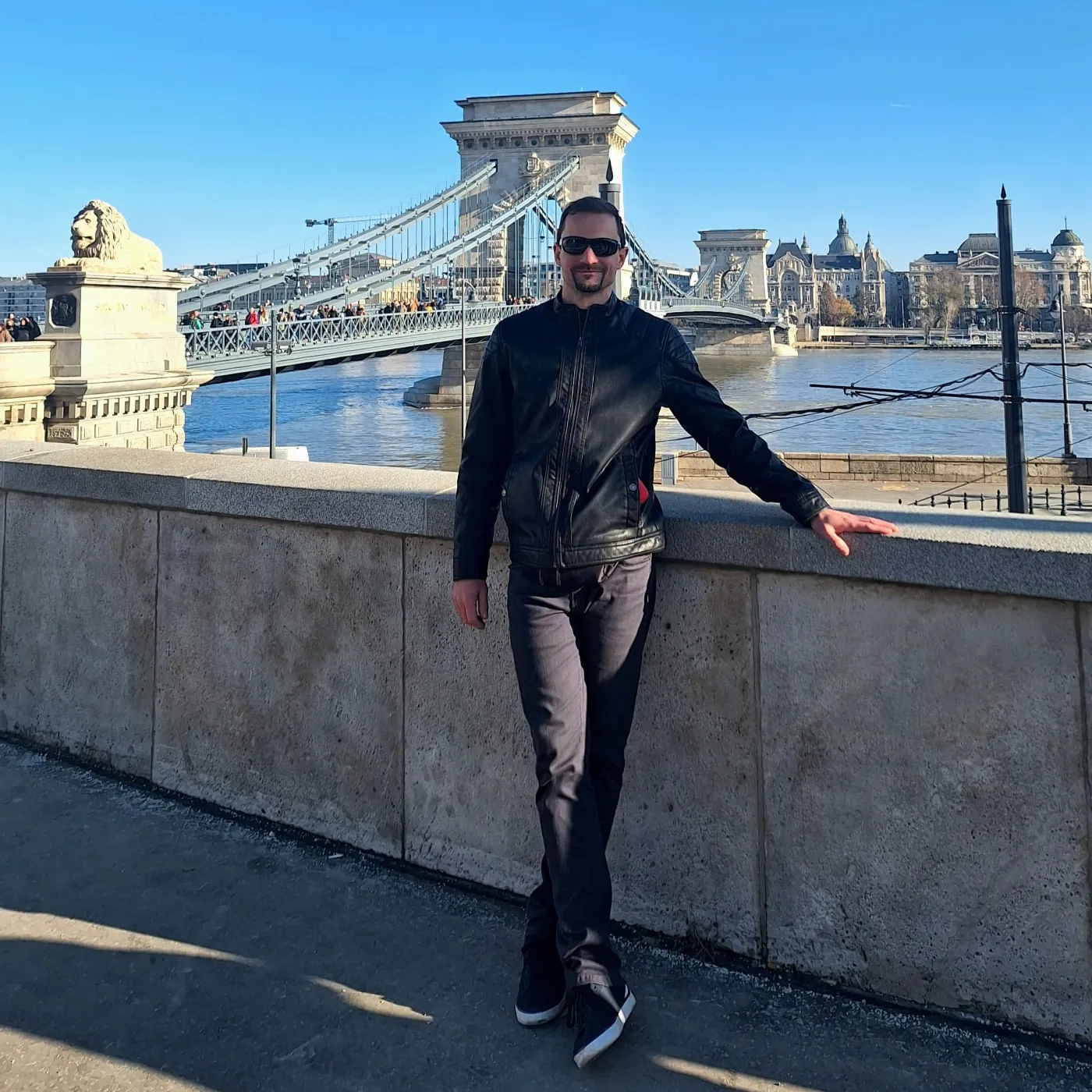
Budapest is a city you first understand through the Danube. On one side, Buda rises with the Castle District, Fisherman’s Bastion, and Matthias Church. On the other, Pest brings Parliament, Andrássy Avenue, cafés, the market hall, ruin bars, and a more urban rhythm.
The best first day is simple: walk along the Danube, cross one of the bridges, climb up to the Castle Hill, and spend the evening in the Jewish Quarter. On day two, add a thermal bath, City Park, the House of Music, or a concert. Budapest gets an extra sports spotlight in 2026, as Puskás Aréna hosts the Champions League final.
- For a first visit: Parliament, Castle Hill, Fisherman’s Bastion, Matthias Church.
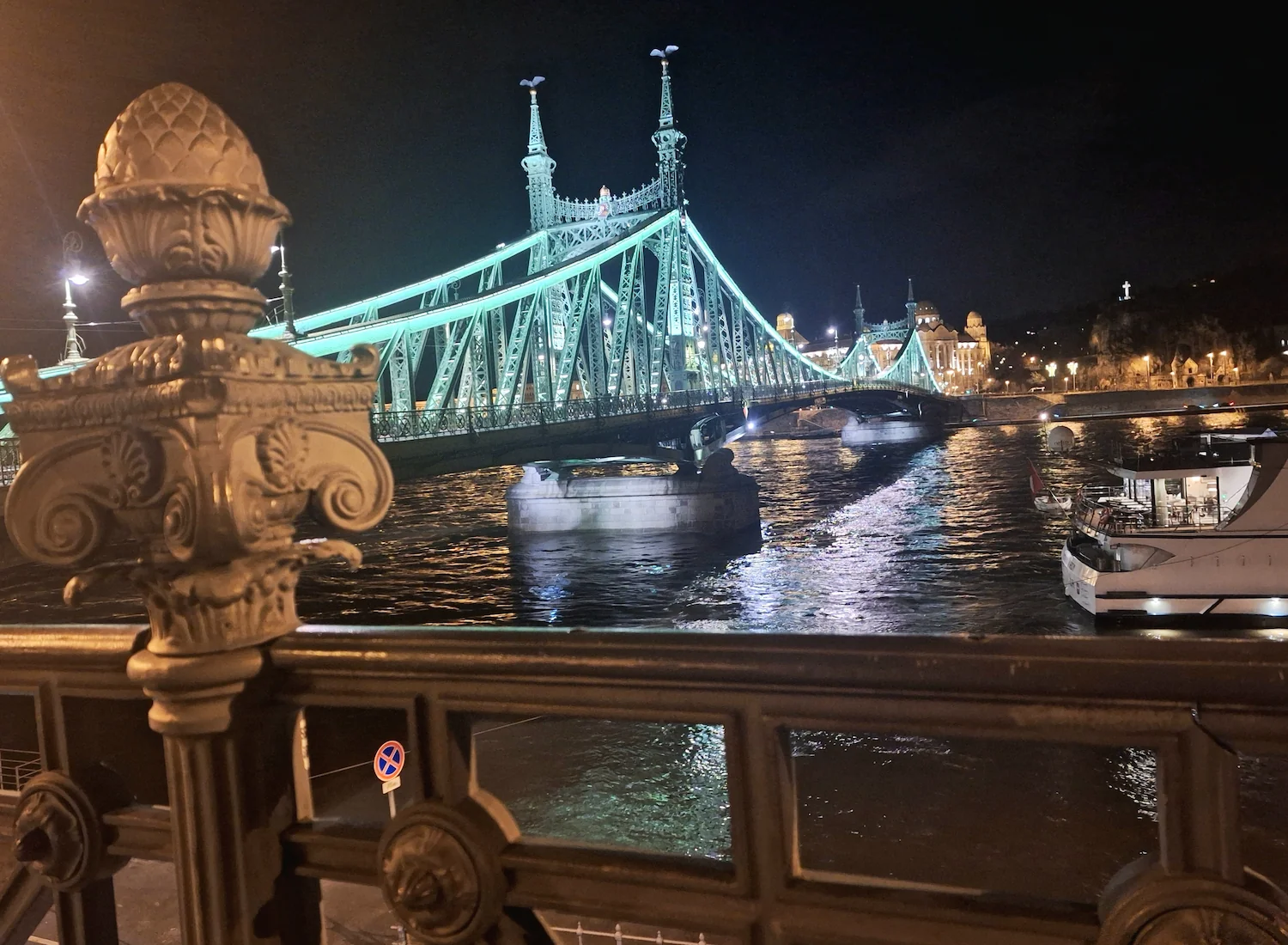
- For the evening: the Jewish Quarter, ruin bars, a concert, or a walk along the illuminated Danube.
- For a slower moment: thermal baths, City Park, and Margaret Island.
Lake Balaton
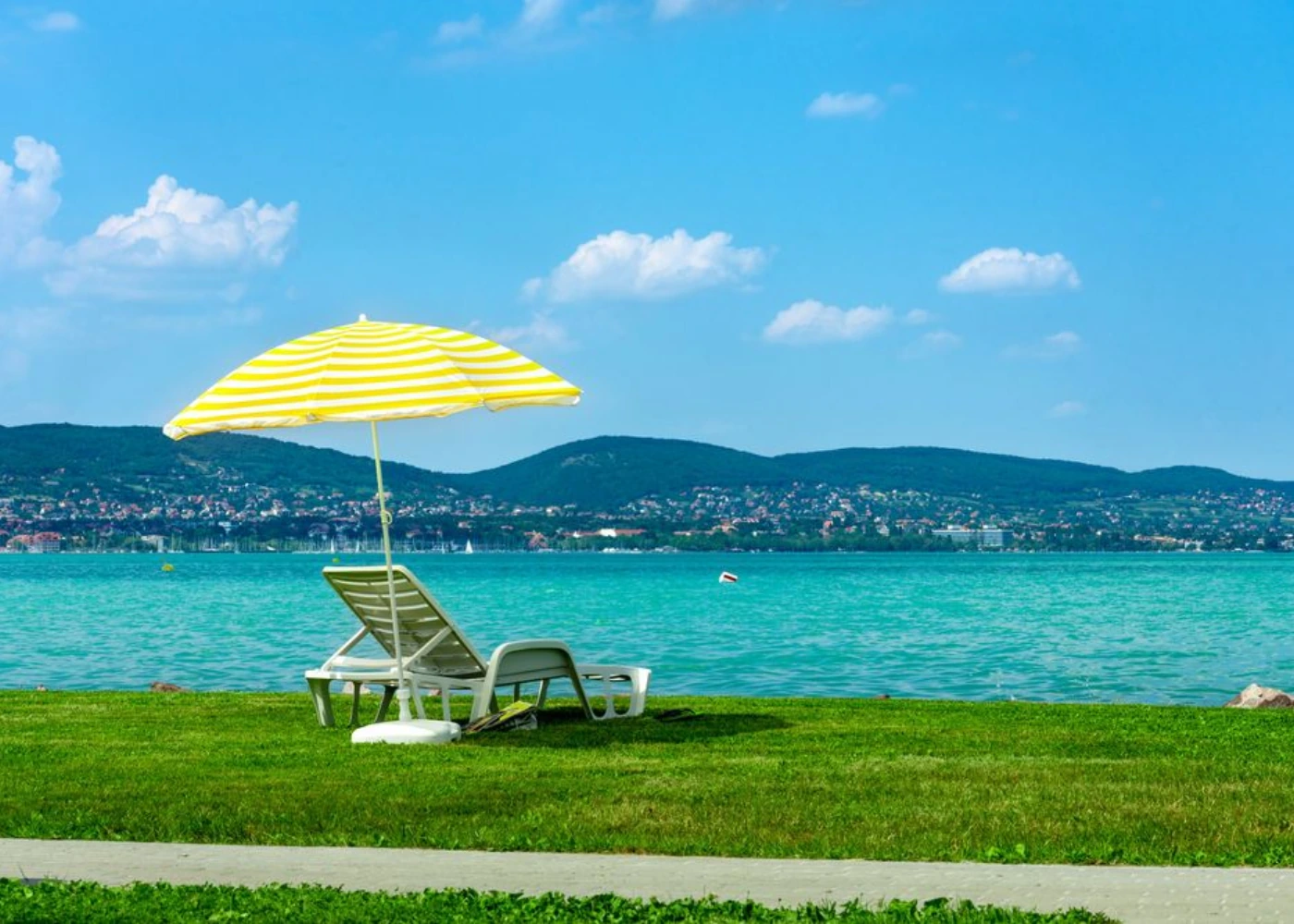
Lake Balaton is the best counterweight to Budapest. Instead of the city pace, you get water, vineyards,
resort towns, wide views, and a cycling loop of more than 200 kilometers. The route is well-known enough to take on as a cycling goal, but it also breaks nicely into shorter sections with swim stops along the way.
If you like exploring by bike along the water and through small places, Balaton also connects beautifully with
cycling adventures in Slovenia — a different landscape, but the same feeling that distance makes the most sense when you move through it yourself.
- Tihany: the peninsula, the abbey, lavender, and one of the most recognizable views of the lake.
- Badacsony: volcanic hills, wine, and a beautiful slower stop.
- Keszthely and Hévíz: historic character, Festetics Palace, and a thermal lake nearby.
Szeged
Szeged sits in the south of the country, by the Tisza, so it has a different rhythm: more sun, more calm, plenty of room for walks, and a city center you can easily explore on foot.
The best part of Szeged is exactly that mix of classic and slightly unexpected. The Votive Church was built as a vow after the great flood of 1879, and Dóm tér is not only a beautiful square, but also one of the city’s main summer venues. If you like architecture, make time for the Art Nouveau details: Reök Palace, Gróf Palace, Deutsch Palace, the New Synagogue, and other city palaces.
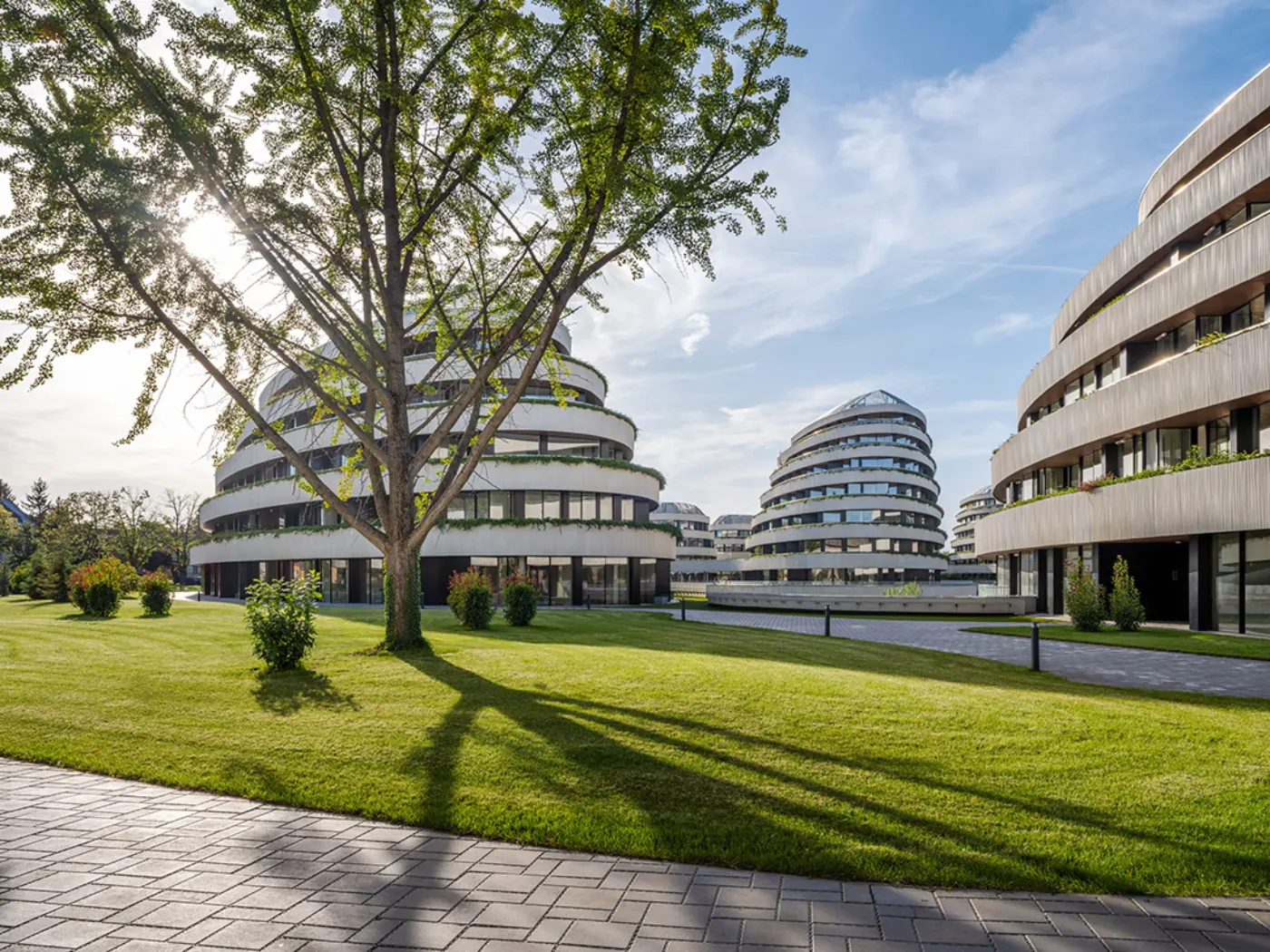
A special highlight is Cédrus Liget, a modern residential and urban concept that shows how a city can grow in a greener and more usable way for everyday life. The project was built on a former military site, while also preserving the protected building of the former riding hall. The design increases the share of green space, connects apartments with terraces or direct contact with the garden, and keeps the park area open to the surrounding neighborhood as well.
What makes Cédrus Liget especially interesting is its energy story: two geothermal wells are connected to the city’s district heating system, and because of that, Szeged ranks among the more important European examples of greener district heating. The project also includes a sports center, shops, cafés and restaurants, offices, and a public park, so it is not just a residential complex, but a small urban piece of the city. Because the story connects with more sustainable urban thinking, it also pairs naturally with Lithuania.
Day trip from Budapest
The Danube Bend
The Danube Bend is ideal for a short escape from Budapest, whether you go for one day or two. The classic trio is Szentendre, Visegrád, and Esztergom. Szentendre is the easiest and most relaxed stop: colorful houses, cobbled streets, galleries, museums, the riverbank, cafés, marzipan, and just the right kind of medieval feel. If you go there by train, you can return by boat.
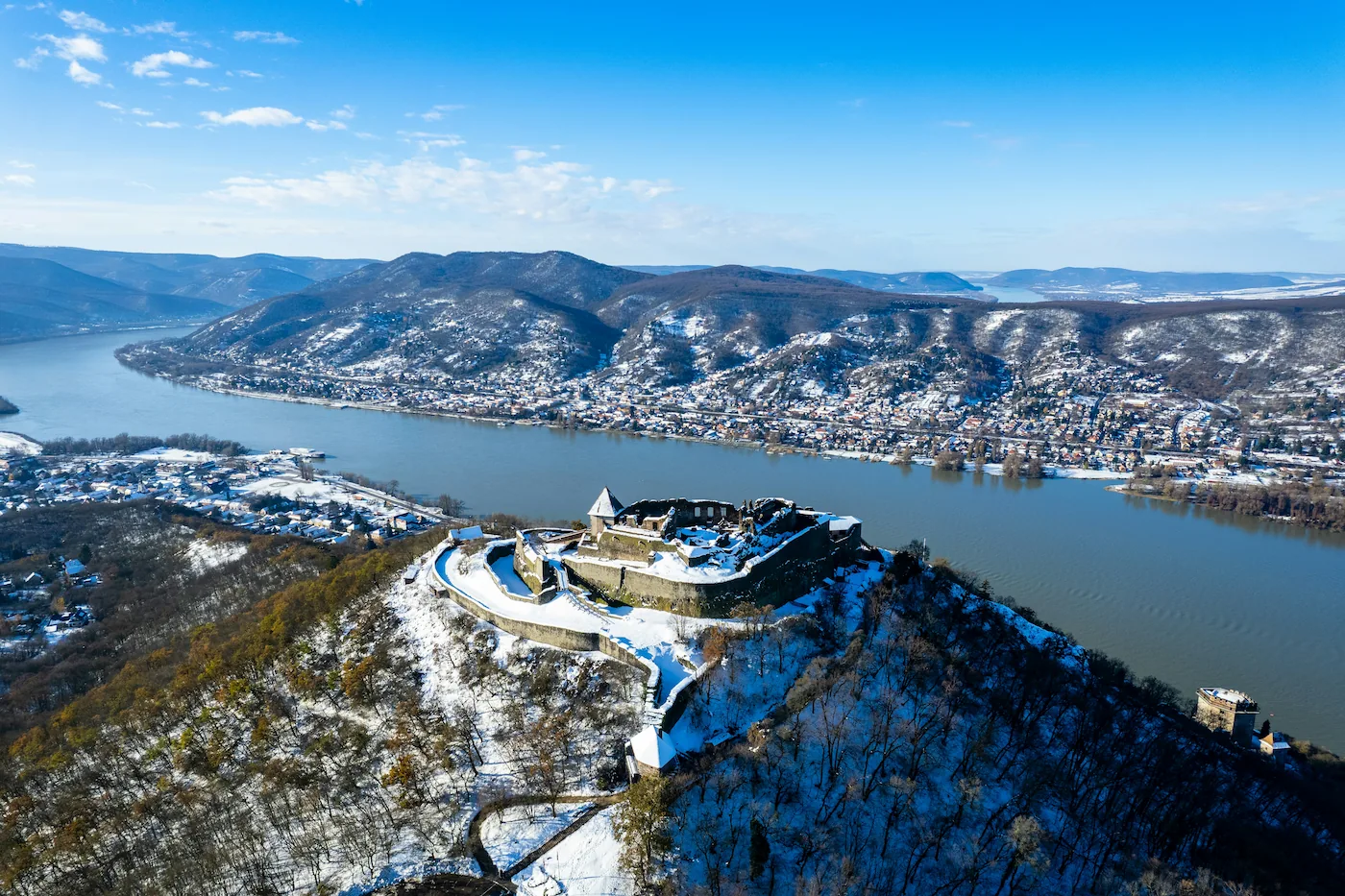
Visegrád is the viewpoint that makes the Danube Bend more than just a name on the map. From the top of the Citadel, you get the clearest view of how the Danube makes its big turn between green hills. You can hike up to the view, but count on a fairly proper outing: around 7.1 kilometers, about 2 hours and 25 minutes of walking, and roughly 346 meters of elevation gain. Nagy-Villám is a gentler route, with 5 km, 2 to 2.5 hours of walking, and around 191 meters of elevation gain.
Esztergom is the more historic and symbolic stop. The former Hungarian capital is closely tied to the beginnings of the country, and above the city stands a massive basilica, one of the most recognizable church silhouettes in Hungary.
Food & wine
Eger
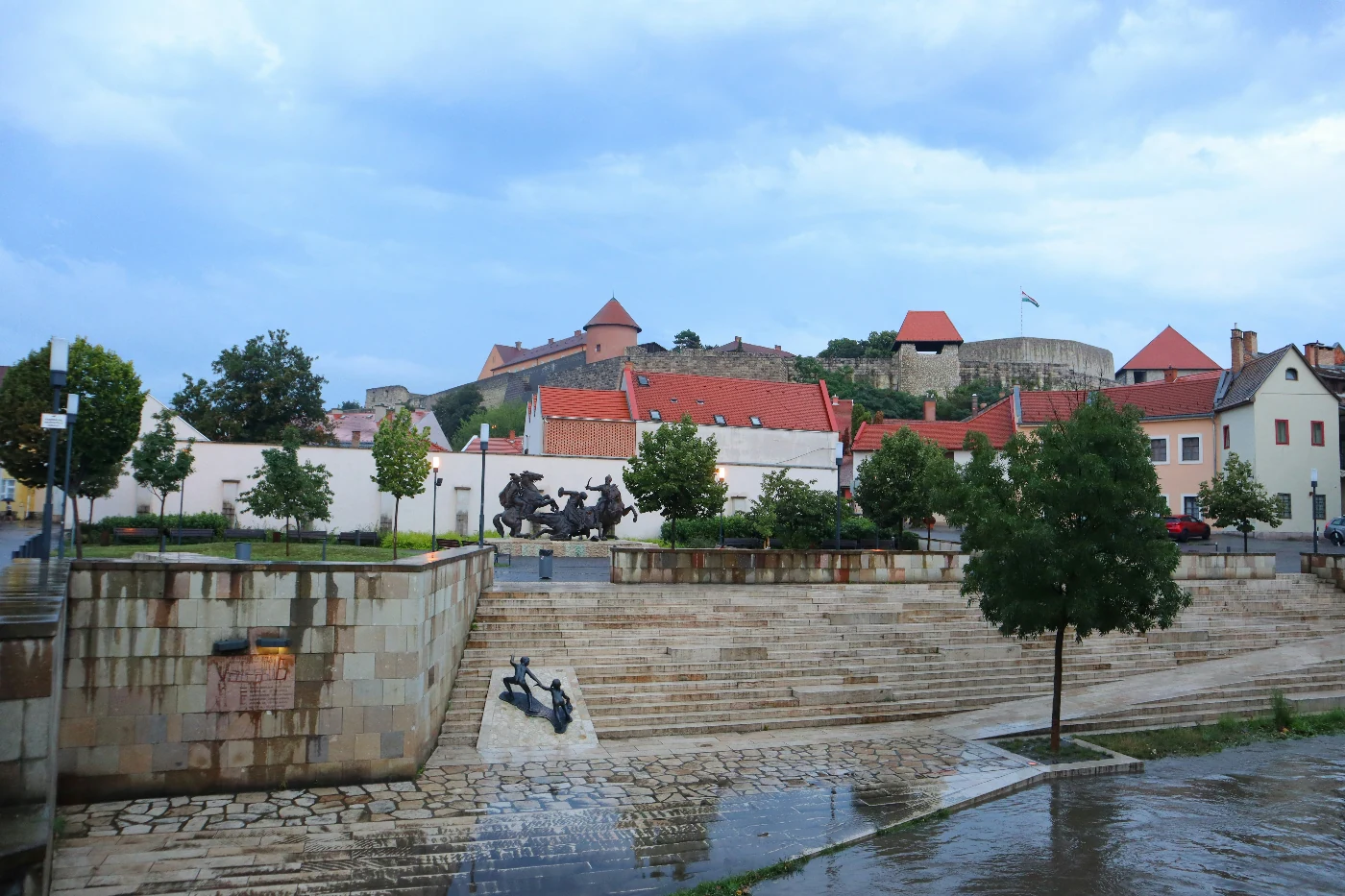
Eger is a strong choice when you want to add some history, a baroque old town, and food and wine to Hungary. The city sits northeast of Budapest and is compact enough to explore slowly: a little through cobbled streets, a little across squares, a little up to the castle, and then on to a glass of something good.
The main historic stop is Eger Castle, connected with the famous defense of 1552, when the defenders led by István Dobó held off a much stronger Ottoman army. Today, the castle is not only a viewpoint over the city, but also the place where Eger’s story starts to come together from the Middle Ages onward.
Dobó tér is the natural starting point for coffee, orientation, and a first impression, and from there it is worth continuing toward the basilica, the lyceum, the archbishop’s palace, and the side streets where Eger shows its baroque character. If you like slightly unusual viewpoints, the Ottoman minaret is worth a look too: it is around 40 meters high, and a narrow spiral staircase with 97 steps leads up to the viewing gallery.
The best-known culinary part of Eger is Szépasszony-völgy, the Valley of the Beautiful Women — about a 10- to 15-minute walk from the city center. This is where wine cellars take over, with plenty of good mood and a very relaxed atmosphere. The classic name here is Egri Bikavér, known as “Bull’s Blood,” while Egri Csillag, a white blend that feels like a brighter answer to Bikavér, is getting mentioned more and more as well.
Music in Hungary
Sziget
Island of Freedom in Budapest
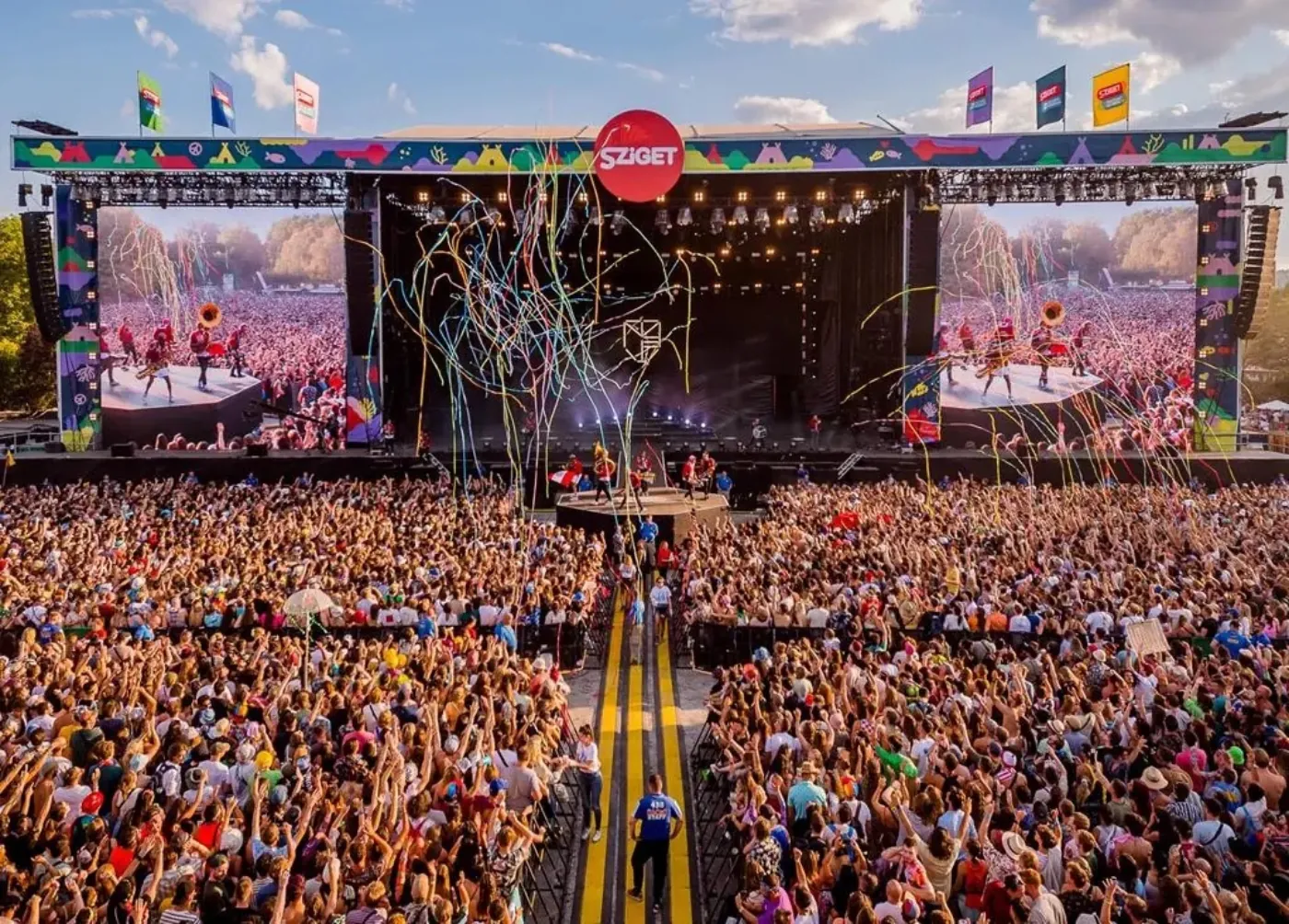
Sziget is Hungary’s most recognizable festival and one of those events that turns Budapest into a multi-day festival city. It takes place on Óbuda Island, so you can still explore the capital in the morning, and then move between stages, performances, dance, installations, and people from all over the world in the afternoon and evening.
On a page with a strong music thread, Sziget almost has to be part of the story: it is not just a list of concerts, but a mix of travel, community, urban energy, and the feeling that, for a few days, the festival becomes its own
little world.
Budapest Ritmo
A world music festival in Budapest, ideal for listeners interested in genre crossings, the contemporary global scene, and music that does not stay limited to the biggest festival stages.
Campus Festival
Debrecen gets a stronger summer music focus through this festival. It is a good note for anyone who wants to hear Hungary beyond the capital.
Valley of Arts
Művészetek Völgye, or Valley of Arts, takes place in the Balaton Uplands and brings together music, theater, literature, art, and a village-style festival rhythm.
Táncház and folk music
Táncház means “dance house,” and it is Hungary’s living way of passing on folk music and dance: not as a museum display, but as community learning, playing, and dancing.
Cimbalom
The cimbalom is one of the most recognizable sounds of Central European and Hungarian musical tradition: a trapezoid-shaped string instrument played with small beaters.
House of Music
House of Music Hungary in City Park is a strong contemporary stop for exhibitions, concerts, sound experiences, and a different view of Hungary’s musical heritage.
Itineraries
2 days · Budapest
If you only have a weekend for Hungary, stay in Budapest. There are enough reasons in the city itself that you do not need an extra day trip.
- Day 1: Buda — Castle Hill, Fisherman’s Bastion, Matthias Church, a walk across one of the bridges and an evening by the Danube.
- Day 2: Pest — Parliament, Andrássy Avenue, City Park, a thermal bath, a café or the House of Music.
- Base: Budapest, ideally close to a metro or tram connection.
- Transport: you do not need a car in the city.
- Good for: a first visit, thermal baths, architecture and evening atmosphere.
3 days · Budapest and the Danube Bend
With three days, the most logical addition is the Danube Bend. Szentendre, Visegrád and Esztergom are close enough to Budapest that they do not break the plan, while still adding the river, viewpoints and history.
- Day 1: Budapest — Buda, Castle Hill, Fisherman’s Bastion and an evening view of Parliament.
- Day 2: Pest — Parliament, the market hall, City Park, a bath, the House of Music or an evening in the Jewish Quarter.
- Day 3: the Danube Bend — Szentendre for colourful streets, Visegrád for the viewpoint or Esztergom for the basilica.
- Easiest: Szentendre as a short and relaxed trip from Budapest.
- Best for views: Visegrád if you want to see the Danube from above.
- Best for history: Esztergom if you are interested in the beginnings of Hungarian statehood.
4 days · Budapest, Eger or Balaton
Four days are a good moment to choose whether you want to add wine and a baroque town to Hungary, or a lake escape by Balaton. Both make sense.
- Day 1: Budapest — the Danube, Buda, Castle Hill and an evening walk.
- Day 2: Budapest — Pest, a bath, City Park, music or ruin bars.
- Day 3: Eger — the castle, Dobó tér, the baroque centre and Szépasszony-völgy.
- Day 4: or Balaton — Tihany, Badacsony, Keszthely or a shorter cycling section.
- Eger: better for food, wine and history.
- Balaton: better for water, relaxation, cycling and summer atmosphere.
- Tip: if you use public transport, check the connections with Budapest.
5 days · Budapest, Balaton and Szeged
This is the most balanced first plan if you want to get to know Hungary more closely.
- Day 1: Budapest — Buda, the Danube, Parliament from the outside and an evening club visit.
- Day 2: Budapest — a bath, City Park, the House of Music, a café or a concert.
- Day 3: the Danube Bend or Eger, depending on whether you want the river and a viewpoint or wine and a castle.
- Day 4: Balaton — Tihany, Badacsony, swimming, a cycling section or vineyards.
- Day 5: Szeged — Dóm tér, the Votive Church, the Tisza, Art Nouveau façades and Cédrus Liget.
- By car: this plan is much easier, because it connects several different directions.
- By public transport: rather choose Budapest, the Danube Bend and Balaton, or Budapest and Eger.
6–7 days · Wider Hungary
Almost a week is enough for the trip not to stay only with the best-known views.
- Days 1–2: Budapest — Buda, Pest, baths, music and a walk by the Danube.
- Day 3: the Danube Bend — Szentendre, Visegrád and Esztergom if you want a full-day trip.
- Day 4: Eger — the castle, old town, minaret and the Valley of the Beautiful Women.
- Day 5: Balaton — Tihany, Badacsony, Keszthely or Hévíz.
- Day 6: Szeged or Pécs, depending on your route and interests.
- Day 7: an extra bath or one more day by Balaton.
- Szeged: better for Art Nouveau, the Tisza, Dóm tér and a more modern urban stop.
- Pécs: better for a more southern cultural character and museums.
- Balaton: with 6–7 days, it deserves at least one night, not just a photo stop.
Route-planning tips
Budapest can serve as the anchor, then you add stops according to what you want. If you add too many directions, the country quickly turns into pure logistics.
- For a first visit: Budapest and the Danube Bend.
- For summer: Budapest and Balaton.
- For wine and food: Budapest and Eger.
- For a music angle: check Sziget, Budapest Ritmo or House of Music.
Hungary practical tips
Documents
Hungary is part of the European Union and the Schengen Area. For EU citizens, travel is usually straightforward, but you should still keep a valid identity card or passport with you.
- EU citizens: a valid national identity card or passport is enough for travel within the EU and Schengen Area.
- Children: every child needs their own identity document.
- Schengen: regular border checks are usually not in place, but temporary checks can happen.
- Official source: check EU travel documents before departure.
- For non-EU travellers: check visa requirements, permitted length of stay and document validity before departure.
- Driving route: keep your document within reach, especially if you combine the trip with Austria, Slovakia, Croatia or Serbia.
Arriving in Budapest
If you arrive by plane, the 100E Airport Express is the most direct connection between Ferenc Liszt Airport and the centre of Budapest. For a more local and cheaper route, you can also use a public transport combination.
- 100E Airport Express: a direct connection between the airport and the city centre.
- Special ticket: for the 100E you need an airport ticket; a regular city ticket is not enough.
- BudapestGO: a useful app for tickets, route planning and public transport.
- Late arrival: check night connections, taxi options or transfer prices before departure.
- First day: accommodation close to a metro or tram line usually means less logistics than having a car in the centre.
Public transport
Budapest has very useful public transport tickets and passes: metro, trams, buses and city connections cover most of the routes you need for a first visit.
- Metro: good for quick moves between parts of the city.
- Trams: especially useful along the Danube.
- Tickets: for several days, a time-based pass often makes more sense than single rides.
- Budapest Card: worth considering if you will use public transport and also visit several included attractions or discounts.
- Ticket checks: always buy and validate your ticket properly, because checks are not rare.
Getting between places
For Budapest and nearby trips, public transport is often enough. If you want to connect Balaton, Eger, Szeged and smaller stops in the same plan, a car becomes much more practical. For train travel, use the official MÁV Group site or ticketing system.
- The Danube Bend: Szentendre is an easy trip from Budapest, while Visegrád and Esztergom require a bit more planning.
- Balaton: possible by train, but for several places around the lake, a car or bike is the more flexible choice.
- Eger: a good day trip if you start early enough and do not plan too much.
- Szeged: works as a standalone city day or as part of a wider driving route.
- Practical: for the last daily connections, always check the timetable and leave some buffer.
Driving tips
Hungary uses an electronic vignette for paid motorways and express roads. If you travel by car, arrange it before using a paid section, because the system is based on the vehicle registration number.
- E-vignette: it is linked to the registration number and vehicle category.
- Purchase: use the official website or verified sales points.
- Check: after purchase, check the registration number, country of registration and validity.
- Budapest: a car in the centre is not an advantage; parking in particular can be a real challenge.
Payments
Hungary uses the forint (HUF / Ft), not the euro. In Budapest and larger places, cards are very useful, but you should still have some cash for smaller restaurants, markets, toilets, tips or more local stops.
- Currency: Hungarian forint, marked as HUF or Ft.
- Euros: some places accept them, but do not rely on this and always check the exchange rate.
- Cards: in Budapest they mostly work well; around Balaton and in smaller places, keep a backup.
- Exchange: avoid unclear exchange offices and always check fees.
- ATMs: watch out for poor exchange rates and extra withdrawal costs.
Insurance
For Hungary, have your European Health Insurance Card arranged, and add travel insurance if needed. The European card is useful for urgent or medically necessary care in the public system, but it does not cover all travel complications.
- European card: order it before departure if you do not have it or if it has expired.
- Additional insurance: sensible for assistance, trip cancellation, luggage and possible transport home.
- Thermal baths: if you have health limitations, check the rules and do not rely only on how you feel.
- Activities: for cycling around Balaton or a more active trip, check what your insurance actually covers.
- Offline copies: save your policy number, assistance contact and basic documents.
Emergency numbers
Save emergency numbers before departure, together with your accommodation contact, insurance contact and a copy of your documents.
- 112: single European emergency number.
- 104: emergency medical assistance.
- 105: fire brigade.
- 107: police.