
Before you head up
Mountain hiking tips
Before you head up
This is not a complete guide to every mountain. It is a page that gives you the basic decisions and achecklist, so a trip does not turn into “the rescue of the day.”
Drawn from practice, notes, and experience — including the kind of moments when helicopters circle above the valley and bring you back to reality.
Why this page?
When I’m not keeping rhythm on the drums, I look for it in steps and silence. Writing is my way of letting the journey continue at home too.
Personal experience
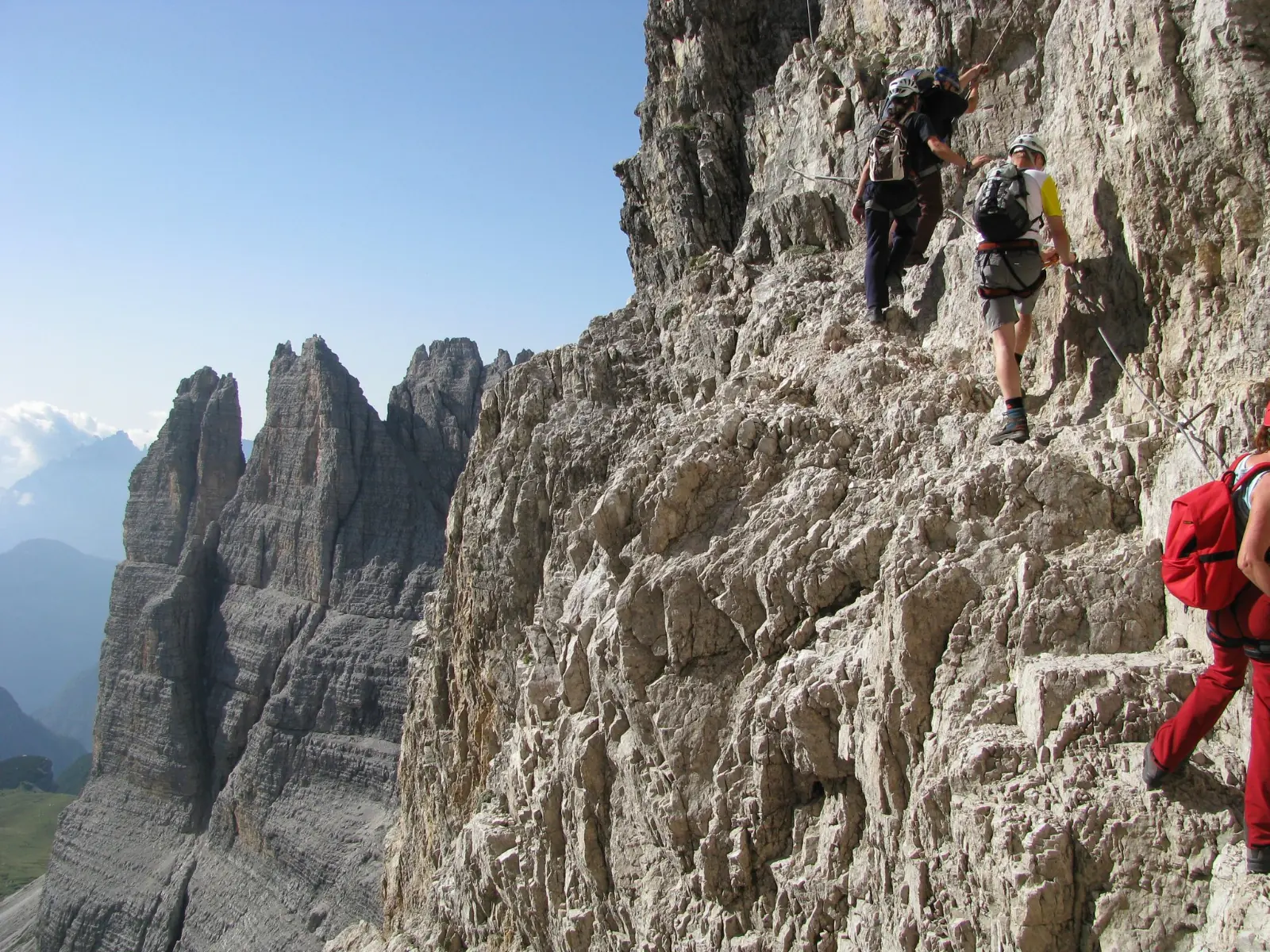
I learned respect for the mountains very early on. Slips, falls, scrapes, twisted ankles — and those moments when the sound of a helicopter above the valley makes it very clear that someone overestimated the conditions or underestimated the terrain.
That is exactly why the tips below are short, clear, and useful. For longer, less exposed routes, also take a look at the Camino book.
Checklist: 3 minutes before leaving
If you fail here, the mountains will teach you quickly. The goal: less improvisation, more peace of mind.
1) The route
- I have chosen a route that is realistic for my fitness level.
- I know the walking time (with reserve) and the elevation gain.
- I have a plan B (a shorter option / turning back).
2) Weather
- I have been watching the weather for several days, not just “this morning.”
- I know when the typical afternoon changes tend to happen.
- If conditions worsen, I turn back in time.
3) Gear
- My footwear is suitable (grip, stability, fit).
- In my backpack I have protection against cold / rain / sun.
- Phone + battery + basic first aid + headlamp.
1) Route planning (most accidents start here)
A good plan is not complicated. It just needs to be precise enough that you do not have to guess once you are out there.
Choose a route based on reality (not ego)
- Check the length, elevation gain, route difficulty, and current conditions.
- If you do not have experience on unmarked terrain: do not go alone and do not “copy the internet.”
- Use hiking maps and reliable apps.
Tip: the Slovenian Mountain Rescue Association also specifically warns about using proper maps and notes that Google Maps is not the most suitable for mountain trails.
Tell someone
- Leave at least one person the details of where you are going, which route you are taking, and when you expect to be back.
- Summit and hut logbooks are not folklore — sometimes they are important information.
- Start early enough. A time buffer means less panic.
2) Gear (less is more, until it is not enough)
Gear is not for Instagram. It is for the moments when the weather turns or when someone gets scared.
Footwear
A good sole + proper fit + stability. Do not test new shoes on a “serious” route.
- Grip (wet rocks, roots, scree).
- Ankle stability (if you are prone to twisting it).
- Dryness / comfort (blisters are small until they become a problem).
Basic must-haves
- Protection against rain / cold / sun.
- A headlamp (even on a “day” hike).
- Basic first aid + emergency blanket / bivy bag.
- Water + an energy reserve.
Helmet / self-protection
On exposed routes, where rockfall is possible, or on scree, a helmet is a very sensible piece of gear. On difficult routes, consider self-protection too — if you know how to use it correctly.
3) Weather (the most common “plot twist”)
In the mountains, the problem is not that the weather changes. The problem is that people insist for too long.
Check the forecast early
- Follow the forecast several days in advance.
- Wind, rain and cold quickly increase the risk of slips and hypothermia.
- If conditions are worsening: turn back. The mountain will wait.
Rules for terrain
- On ridges and exposed sections, do not “test your luck” if a storm is approaching.
- A safer route down is always better than “just 20 more minutes to the summit.”
- If the weather deteriorates suddenly: look for shelter in a hut / bivouac or descend from the ridges.
4) Terrain, pace, mindset
Most mistakes happen when you get tired, speed up too much, or lose focus.
Pace
- Start slowly so your body can warm up.
- Walk at a “conversation” pace (if you go too fast, you will pay for it on the descent).
- Adjust the speed to the weakest person in the group.
Footwork
- Reliable footing matters more than pace.
- On scree / dwarf pine sections: less ego, more stability.
- Take breaks in a safe place (not below loose rock walls).
Group / children
- The group stays together until the end of the hike.
- With children, adapt the goal, walking style, and breaks to the children.
- If someone is afraid: slow down, lower the difficulty, choose a safer turnaround point.
5) If something goes wrong (emergency help without drama)
Best case: you never need this. Second best: you know what to do properly.
Phone and battery
- Charge your phone before the hike and, if possible, bring a spare battery / power bank.
- In the mountains, poor signal often drains the battery faster — keep your phone warm and protected from water.
- Save ICE contacts in your phone (for example ICE1, ICE2).
If you need emergency help
- Stay calm, protect yourself and the injured person from additional danger.
- Call the local emergency number or mountain rescue service.
- Say who is calling, what happened, where you are, and how many people are injured.
- If a call is not possible, use any locally available emergency text or messaging service.
Reminder: in many countries, emergency calls are possible even without entering a PIN code (good to know when you are under stress).
If you like this kind of compass
The Camino book follows the same approach: experience + practice + the details most people only understand once it is too late.
If you are thinking about a longer journey (or simply about walking better), this is the logical next step.
Frequently asked questions
How much water should I bring?
It depends on the temperature, duration, and elevation gain. The rule: better a little reserve than “it will be fine.” If it is hot or you are exposed to the sun, plan for more. Drink small amounts regularly.
Are trekking poles really useful?
On longer hikes and on descents, they often reduce the strain on your knees and help with rhythm. They are not magic — but they are a very useful tool if you know how to adjust and use them properly.
When should I turn back?
When the weather is turning, when you are losing pace, when “the time of day” starts overtaking you, or when the terrain becomes riskier than you are prepared to accept. Turning back in time is a sign of experience, not defeat.
How do I choose the “right” route for myself?
Look at the length, elevation gain, route difficulty, conditions (wet ground, snow, rockfalls), and leave yourself a reserve. If you are a beginner: choose marked hiking trails and company / an organised hike.