Croatia
Croatia
Croatia at a glance
Croatia may sound like the most obvious seaside cliché, but there is a reason it keeps pulling people back. It has around 1,777 kilometers of mainland coastline, and more than 5,800 kilometers when you include the islands.
Istria pulls you into food, wine roads and a slower rhythm. Dalmatia is all about the coast, historic towns and islands. Zagreb brings museums, markets, cafés and one of the best Advent atmospheres in the region.
- For a first visit: Istria, because it quickly connects the coast, active days and food.
- For the sea: Dalmatia and the islands, with rocky beaches and lively evenings in coastal towns.
- For food: Istria, thanks to truffles, olive oil and wine.
- Zagreb: for museums, cafés, Dolac Market, the Upper Town and Advent in December.
- For 4–6 days: Istria, Zagreb or Kvarner.
- For 7–10 days: Dalmatia with several stops.


Croatia travel guide
Croatia is easiest to understand by regions, because the pace, food, landscape and costs can change fast. Istria is the most practical choice for shorter coastal trips, konobas, truffles, olive oil and a slower rhythm. Kvarner connects Opatija, Rijeka, the islands and that first real feeling of the Adriatic. Dalmatia feels more intense, more coastal and more historic: Zadar, Šibenik, Split, Trogir, Dubrovnik and the islands are the natural backbone of a longer trip.
Zagreb and central Croatia are a good choice when you are not looking for a classic beach holiday, but a city break, museums, markets, cafés and an easy connection to Plitvice Lakes. Lika and Gorski kotar add a quieter, more natural layer of the country, where the trip is less about the coast and more about forests, lakes, roads and stops between the inland and the sea.
The Croatian coast, especially the better-known places in Dalmatia, is no longer a cheap alternative to the Mediterranean. In high season, accommodation, parking, bars and restaurants by the sea can feel noticeably more expensive than in less crowded European coastal destinations. Dalmatia works best if you book early, or catch it in June, September or outside the busiest summer rush.
Dalmatia is best experienced as a chain of stops: Zadar for a relaxed start, sunsets and the Sea Organ; Split as a lively base for the islands; Trogir for a short UNESCO walk through stone streets; and Dubrovnik as the most striking, most cinematic and also most visited finale to the coastal route.
Two excellent additions are Plitvice Lakes and Krka. Plitvice is more of a standalone natural highlight, while Krka fits especially well into a route through central Dalmatia.
Recommended

Istria
Istria is the best choice if you want to experience Croatia slowly, but without long distances. In just a few days, you can connect Rovinj, Poreč, Pula, Motovun, Grožnjan and smaller inland towns, while the route keeps shifting between the coast, stone old towns, hills, vineyards and konobas.
Istria’s real strength is the mix of sea and inland life. The coast is great for evening walks, sunsets and that classic vacation rhythm, while the inland is calmer: Motovun above the Mirna Valley, Grožnjan as an artists’ town, and in between wine roads, olive oil, truffles and smaller stops where Istria feels most authentic.
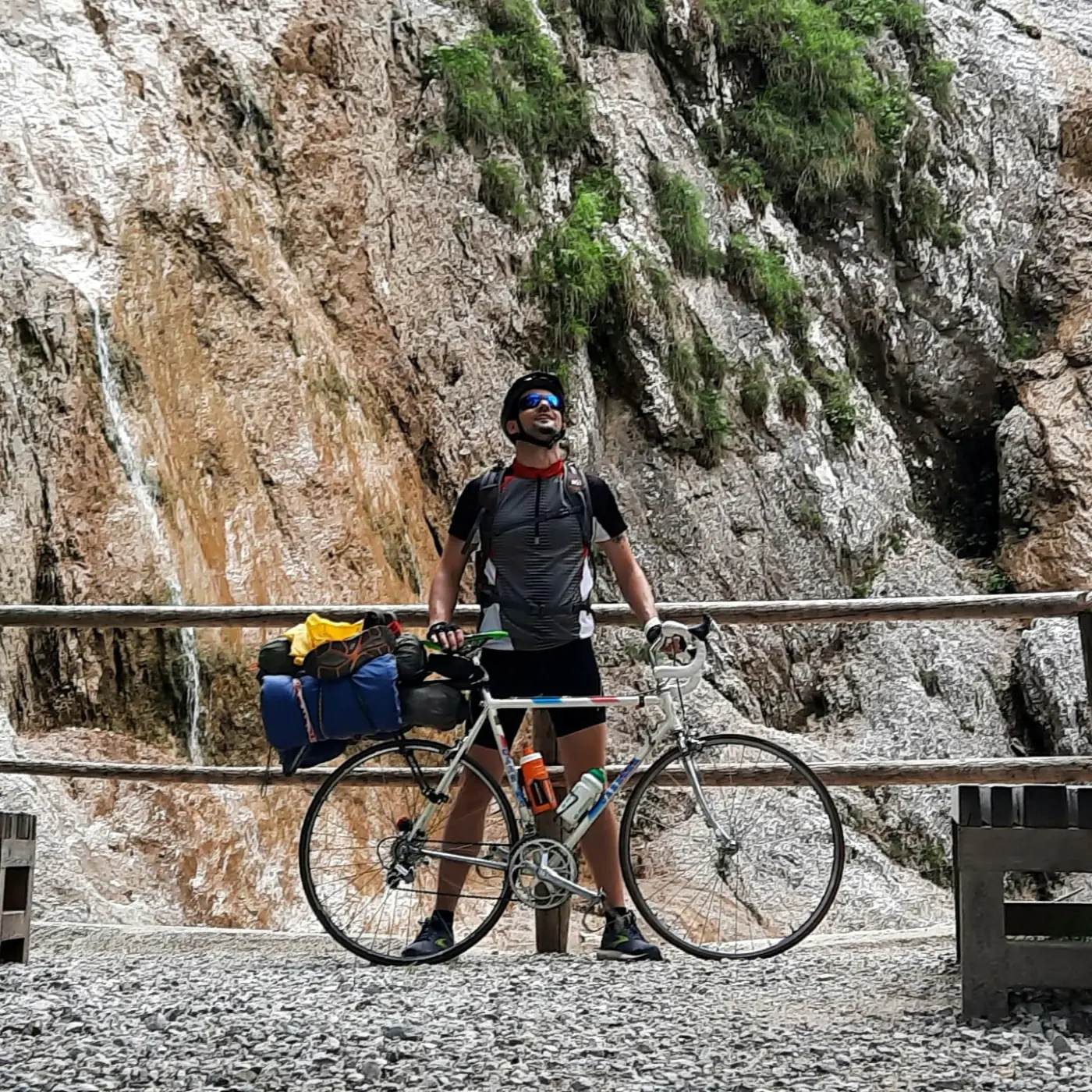
For an active day, Parenzana is a very useful choice. This former narrow-gauge railway between Trieste and Poreč is now arranged as a hiking and cycling route. Since it runs through inland Istria, it works well if you do not want to stay only with beaches and town walks.
- How much time: 3–5 days, without long transfers.
- Base: Rovinj, Poreč or Novigrad for the coast; Motovun or Grožnjan for the inland.
- Best part: the mix of sea, hills, truffles, wine and olive oil.
- Active: a shorter section of Parenzana or a slower day between Istrian towns.
Dalmatia
Dalmatia is the part of Croatia where a route almost naturally becomes a sequence of stops. Zadar is a good beginning for a relaxed city rhythm and sunsets, Šibenik for its historic center and proximity to Krka, Split for Diocletian’s Palace, ferries and evening energy, Trogir for a short stone-street walk, and Dubrovnik for the most recognizable finale of the coastal route.
This is not a destination where you have to spend the entire vacation in one place. It works best if you break it into two or three bases: one for northern or central Dalmatia, one for Split and the islands, and, if you want, one more for the south. That gives you towns, beaches, island trips and views without driving too far every day.
Dalmatia also has a strong cultural layer. Among Croatia’s UNESCO World Heritage Sites are the historic complex of Split with Diocletian’s Palace, the Old City of Dubrovnik, the historic city of Trogir and the Cathedral of St. James in Šibenik. That makes the region a strong choice if you want history and architecture alongside the sea.
- How much time: 7–10 days if you want towns, islands and a little breathing room.
- Base: Split for the islands, Zadar or Šibenik for the northern part, Korčula for the south.
- Best rhythm: June or September are more pleasant than the peak of the season.

Zagreb
Zagreb is a good choice when you are not looking for the sea, but for a city break. It works best for two to four days. Keep the first walk simple: Ban Jelačić Square, Dolac Market, Kaptol, the Upper Town, views toward the Lower Town and then a slow return through streets lined with cafés.
For a museum highlight, the Museum of Broken Relationships is especially recognizable and has its permanent location in Zagreb’s Upper Town. In December, Zagreb turns into an Advent city, while in summer you can connect it with music events and larger festivals.
- How much time: 2–4 days for a city break without rushing.
- Best start: Dolac, Kaptol, the Upper Town and coffee in the center.
- Easy to combine: with a trip to Plitvice Lakes or continuing toward the coast.
- Season: spring and fall for a city break, December for the Advent atmosphere.

Grožnjan
Grožnjan is a small Istrian town that does not really work as a big must-see checklist of sights. Its value is in the atmosphere: stone streets, galleries, views, a slower pace and a summer music vibe. That makes it a great contrast to coastal towns, where everything is more focused on beaches and the evening promenade rhythm.
The town is often described as a place of artists and music. In summer, its cultural and music programs come especially alive, so Grožnjan makes a lot of sense as a stop if you are traveling through Istria and want to add something more creative, calm and personal.
For me, Grožnjan has an extra drumming layer too. Croatia Drum Camp fits here as a personal, niche recommendation: not as a generic tourist reason, but as a point where travel, music, learning and Istrian atmosphere meet naturally.
- How much time: half a day or a slow day in inland Istria.
- Why go: for the atmosphere, galleries, views and music energy.
- Works best: as a calm contrast to Rovinj, Poreč or coastal towns.
- Personal angle: a good connection between travel and music.
Plitvice Lakes
Why visit Plitvice
Plitvice Lakes is the oldest and largest national park in Croatia, and one of the most recognizable natural places in this part of Europe. The park was declared in 1949 and added to the UNESCO World Heritage List in 1979 because of its exceptional system of lakes, waterfalls and travertine barriers.
Plitvice makes the most sense when you do not treat it as a quick stop for one photo, but as part of a wider route where time, pace, costs and good preparation all matter. For that kind of planning, my practical travel tips can come in handy.
Size, lakes and waterfalls
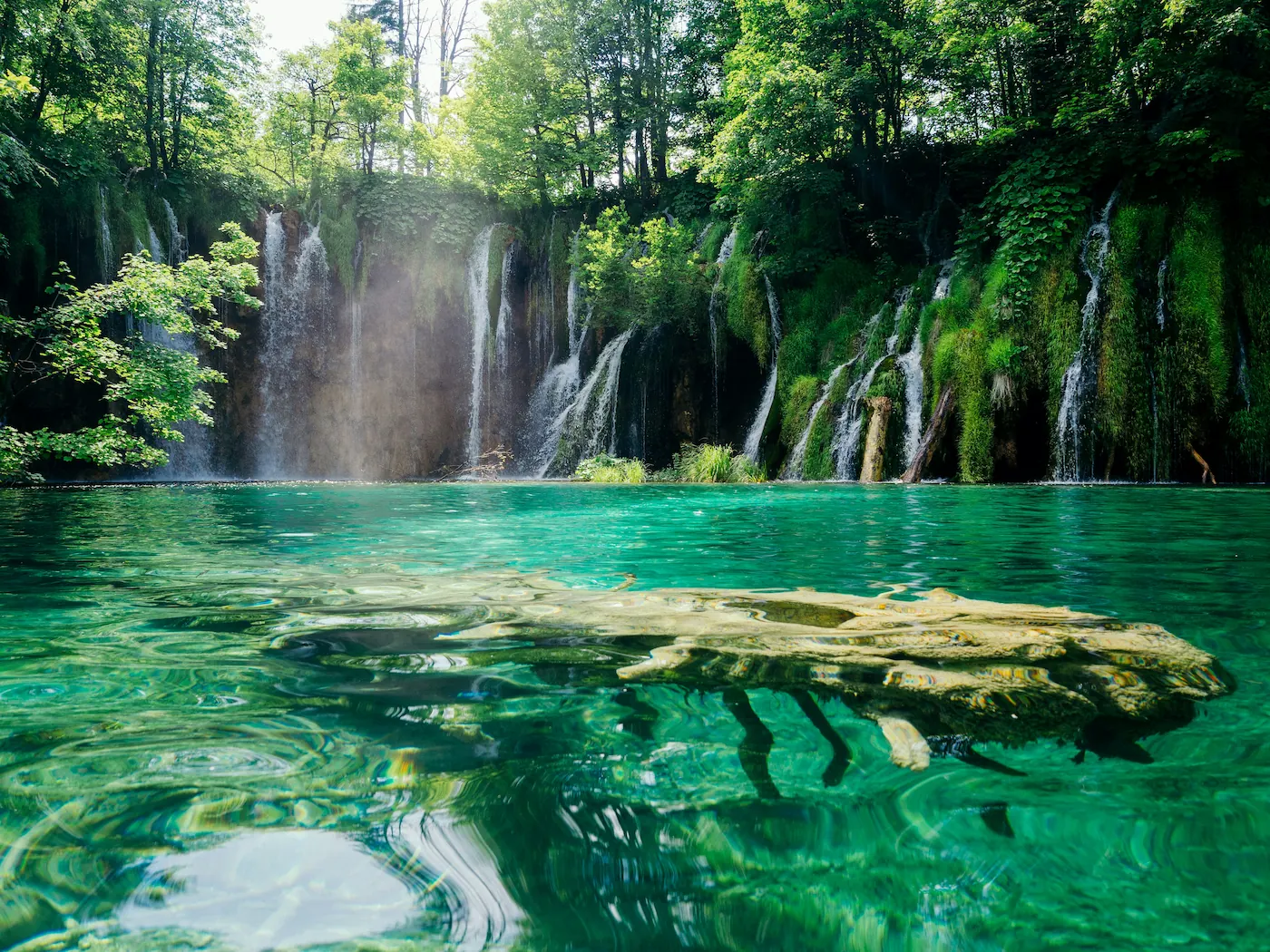
The national park covers almost 300 km², but the most visited part is much smaller: the area of lakes, waterfalls, wooden paths and stations for the boat or panoramic vehicle. The system consists of 16 named lakes and several smaller unnamed water surfaces, divided into the Upper and Lower Lakes.
What makes Plitvice special are the travertine barriers formed by deposits of calcium carbonate. Because of that, the lakes and waterfalls slowly change over time. The best-known waterfall is Veliki slap, the highest waterfall in the park and one of the most recognizable scenes in Croatia. Some of the most beautiful parts also include the area around Lake Kozjak, Prštavci and the many smaller waterfalls of the Upper Lakes.
Route length
For a first visit, the most practical programs are the ones that connect the Lower and Upper Lakes. Official Program C from Entrance 1 is around 8 km long and takes about 4 to 5 hours, while Program H from Entrance 2 is around 8.9 km long and takes about 4 to 6 hours. Both include a combination of walking, electric boat and panoramic vehicle. The longest routes are around 16 to 17.5 km long and take 6 to 8 hours, but before visiting you should check whether they are open.
Prices and tickets
The ticket price depends on the season, the visitor’s age and whether you are visiting for one day or two. For an adult visitor, a one-day ticket in 2026 is roughly between €10 and €40. Winter is the cheapest, spring and fall sit in the middle, and summer is the most expensive. In high season, there is also a lower afternoon price if you enter the park later in the day.
A two-day adult ticket is roughly between €15 and €60, depending on the season. Children, students and groups have lower prices, while children under 7 enter free of charge. The ticket includes use of the electric boat, panoramic vehicle, restrooms at stations, visitor insurance and VAT. Parking is paid separately, so it is worth thinking about the wider travel budget too; I have collected some of my own experience in the section about costs on the road.
Good to know
Swimming in the lakes is not allowed, because this is a protected and sensitive natural system. You are also not allowed to leave marked paths, feed animals, pick plants or take natural souvenirs. The wooden paths are part of the experience, but they can be slippery in wet weather. For visits like this, it helps to think the same way you would before longer day trips. I wrote more about that in my packing and preparation tips.
Dogs are allowed, but they must be on a leash, including on the boat and panoramic vehicle. Before your visit, it is smart to check the official park website, because opening hours, prices, transport schedules and the availability of individual routes can change depending on the season, weather and maintenance work.
Itineraries
5 days: Istria and Grožnjan
- Rovinj: start with an evening walk through the old town, the harbor and the view toward the Church of St. Euphemia.
- Poreč or Novigrad: Poreč stands out because of the Euphrasian Basilica and the old town, while Novigrad is calmer and better suited for swimming.
- Motovun and the inland: Motovun wins you over with truffles, olive oil and wine.
- Grožnjan: a mix of stone streets, galleries and music atmosphere. If you travel in summer, check the cultural or music events.
- Parenzana or a coastal finish: for a shorter cycling or hiking section, Parenzana is ideal, with a finish in Rovinj, Novigrad or Savudrija.
7 days: Dalmatia
- Zadar: Zadar is a good introduction because it does not feel as packed as the larger and more visited cities.
- Šibenik and the surroundings: continue toward Šibenik, where you get a historic center, the Cathedral of St. James and a good starting point for a trip toward Krka.
- Trogir and Split: keep Trogir as a shorter stop for a walk through the stone center, and use Split as the main base for evening city energy. Diocletian’s Palace and the Riva promenade make it genuinely special.
- An island of your choice: from Split, choose Brač, Hvar, Vis or a shorter boat trip.
- A free sea day: do not plan every hour. Keep this day for the beach, SUP, cycling, a slow lunch or simply a pause between more intense cities. Dalmatia is better when you leave it a little room.
- Dubrovnik: the most striking finale, but also the most crowded. If you want fewer people, you can spend the last day around Split, Omiš, Makarska or an island instead.
4 days: Zagreb and Plitvice Lakes
- Zagreb, first impression: start with Ban Jelačić Square, Dolac, Kaptol and the Upper Town.
- Plitvice Lakes: for a first visit, choose a route that connects the Upper and Lower Lakes, buy the ticket in advance and leave enough time for the boat, panoramic vehicle and slower walking on the wooden paths.
10 days: Croatia
- Day 1: Zagreb or arrival near Plitvice.
- Day 2: Plitvice Lakes.
- Day 3: Zadar.
- Day 4: Šibenik or Krka.
- Day 5: Trogir and Split.
- Day 6: An island from Split.
- Day 7: A free day by the sea.
- Day 8: Makarska, Omiš or the route south.
- Day 9: Dubrovnik.
- Day 10: Return with some buffer. Do not make the last day too ambitious. Leave time for traffic, ferries, parking and one good final meal — especially if you want to connect the route with the Food section.
Food
Croatian food is not one single story, but a mix of the coast, islands, inland regions, and Venetian, Central European and Balkan influences. It is at its best when it is local: fish by the sea, truffles in Istria, pašticada in Dalmatia, štruklji in Zagreb or Zagorje, and olive oil where it is actually produced.
If I had to choose just one region for a food-focused trip, I would choose Istria. In a few days, you can connect Rovinj, Poreč, Novigrad, Motovun, Grožnjan and Buzet, with konobas, wine roads, olive oils and truffles in between. When it comes to dishes, look for fuži or pljukanci with truffles, Istrian prosciutto, maneštra, frittata with wild asparagus, Malvasia, Teran and good olive oil.
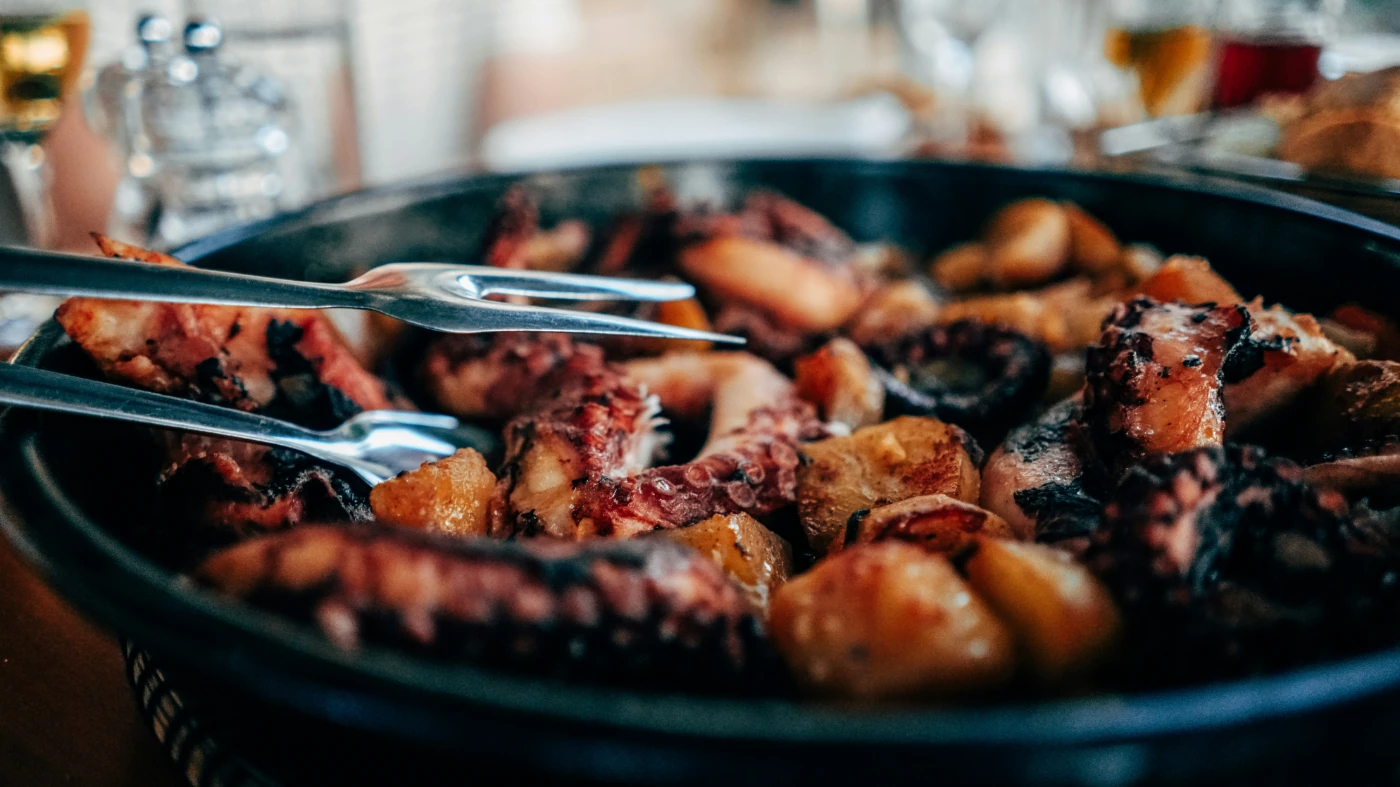
Dalmatia is more coastal and more straightforward: fresh fish, Swiss chard with potatoes, olive oil, garlic, rosemary, lemon and a glass of local wine. Some of the most typical dishes are black risotto, brudet or brodet, buzara, octopus or meat cooked under the peka, and pašticada with gnocchi. With peka, it is worth checking in advance whether you need to order it ahead of time, because it is a slow preparation.
Zagreb and northern Croatia are a good contrast to the coast. Instead of the sea rhythm, you get Dolac Market, cafés, city taverns, štruklji, soups, meat dishes and a more Central European feeling. It is a good food addition if you connect Croatia with Zagreb, Plitvice Lakes or the return toward Slovenia.
Music
Grožnjan
Grožnjan is without a doubt one of the most interesting music-and-art towns in Croatia — or maybe better, villages. In summer, the HGM/JM Croatia International Cultural Centre hosts workshops, masterclasses, concerts and performances, including jazz programs with drums, bass, piano, winds, vocals, ensembles, composition and arranging.
For a visitor, Grožnjan makes sense as a slow half-day or full-day stop: stone streets, galleries, views and Istrian food during the day, then a concert, jam or summer music atmosphere in the evening. If drums are your thing, check the dates for Croatia Drum Camp or the current jazz program in advance, because dates and mentors change by season.
SynCROparty Drum Festival (Ivanić-Grad)
SynCROparty Drum Festival is a niche drumming event in Ivanić-Grad, created for drummers, students, mentors and rhythm lovers. The program usually brings together workshops, gear presentations, performances by Croatian and regional drummers, and an evening concert section.
In 2026, the sixth edition of the festival took place at Hotel Sport in Ivanić-Grad, with a program that combined education, performances by several drummers and an evening highlight with international names, including Benny Greb and Mark Guiliana. Practically speaking, the event works best as a focused one-day trip from Zagreb; before you go, check the current date, workshop registration and tickets.
INmusic Festival
INmusic is Croatia’s largest open-air festival and takes place on the islands of Lake Jarun in Zagreb. It is a good choice if you want to connect Croatia with concerts and festival atmosphere, and then continue the festival route with EXIT in Novi Sad — or, newly, in Egypt.
Croatia practical tips
Car tips
A car is most useful if you want to connect Istria, Plitvice Lakes, smaller inland towns, scenic roads and stops that public transport does not cover well. Croatian motorways do not use a vignette; tolls are paid by section, usually with cash, card or an ENC device.
- Tolls: check the official HAC toll information before longer drives.
- Payment: tolls are generally paid by driven section and vehicle category.
- Road conditions: before you go, check HAK road conditions for traffic jams, closures, roadworks, border crossings and ferry traffic.
- High season: in July and August, leave extra time for toll stations, ferry ports, parking and coastal traffic.
Driving
In Croatia, you drive on the right. The basic speed limits for passenger cars are usually 50 km/h in built-up areas, 90 km/h outside built-up areas, 110 km/h on expressways and 130 km/h on highways, unless signs say otherwise. Seat belts are mandatory, and you should use your phone only hands-free while driving.
- Alcohol: the general limit is 0.5 g/l; for young and professional drivers, it is 0.0.
- Phone while driving: prepare navigation before setting off and use the phone only hands-free.
- Lights: in winter, daytime running lights are mandatory.
- Local roads: on islands, in old towns and along the coast, expect narrow roads, pedestrians, scooters and limited parking.
Public transport and ferries
For moving between larger cities, the bus is often more useful than the train, especially along the coast. For the islands, ferries and catamarans are key, but schedules change by season, so do not plan them from memory.
- Bus: a good option for Zagreb, Zadar, Šibenik, Split and Dubrovnik.
- Train: useful on some inland routes, but not the best option for moving quickly along the whole coast.
- Ferries: check the official Jadrolinija sailing schedule and tickets before booking accommodation or planning an island day.
- Island trips: in high season, buy tickets early and keep a backup plan if wind or crowds affect the schedule.
Documents
Croatia is a member of the European Union and the Schengen Area. For EU citizens, travel is usually simple, but you should still carry a valid identity card or passport. If you continue toward Bosnia and Herzegovina, Serbia or Montenegro, count on an external Schengen border and possible waiting times.
- EU citizens: travel with a valid national identity card or passport.
- Official EU source: check travel documents for EU citizens.
- Toward Bosnia and Herzegovina, Serbia or Montenegro: check documents, border crossings and waiting times.
- Rental car: before crossing the border, check the rental company’s permission and insurance conditions.
- Children: every child needs their own travel document.
Insurance and emergency numbers
The European Health Insurance Card in Croatia is a good base for necessary public healthcare, but it is not a replacement for travel insurance. For an active holiday, a longer trip, cycling, hiking or island hopping, additional insurance makes a lot of sense.
- 112: common European emergency number in Croatia.
- 192: police.
- 193: firefighters.
- 194: emergency medical help.
- 195: search and rescue at sea.
- 1987: roadside assistance.
- Official source: check the Croatian government page Need emergency help?.
Beaches and islands
- Footwear: water shoes are useful on rocky and pebble beaches.
- For a day by the sea: water, a hat, sun protection and some cash.
- Shade: many beaches are beautiful but exposed, so plan sun protection seriously.
- Electricity: 230 V, 50 Hz; European type C and F plugs are used.
- Island logistics: do not leave the last ferry or catamaran as your only plan if you have a fixed departure the next morning.