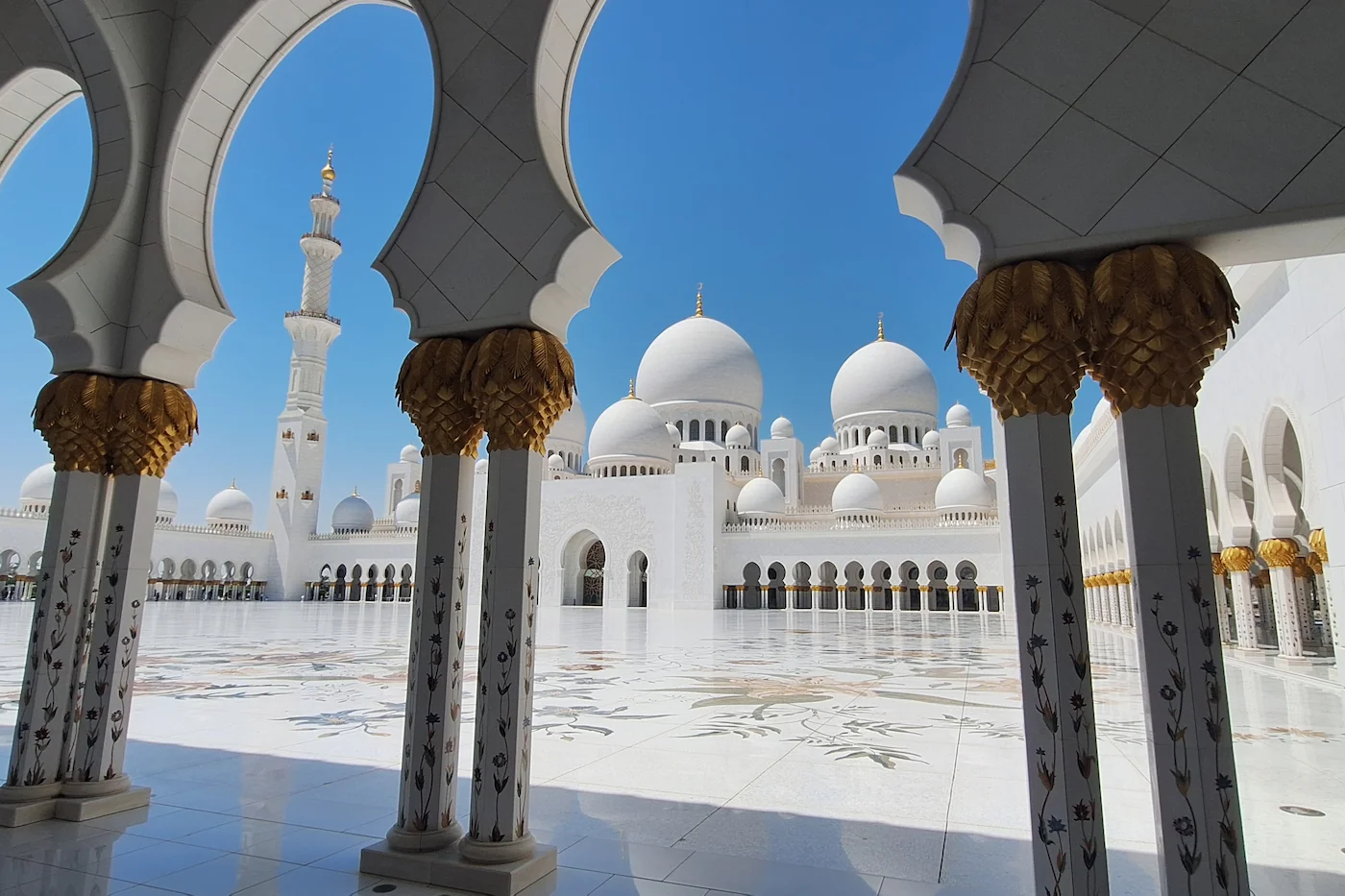
Sharjah
Sharjah
Sharjah at a glance
Sharjah is the third-largest emirate in the UAE and a great choice if you want more museums, traditional neighborhoods, and walks along the lagoons. For me, Sharjah worked best as part of a combined trip with Abu Dhabi and Ajman.
museums, souqs, and quieter evenings
fall or spring
A trip with Abu Dhabi and Ajman
Guide to Sharjah
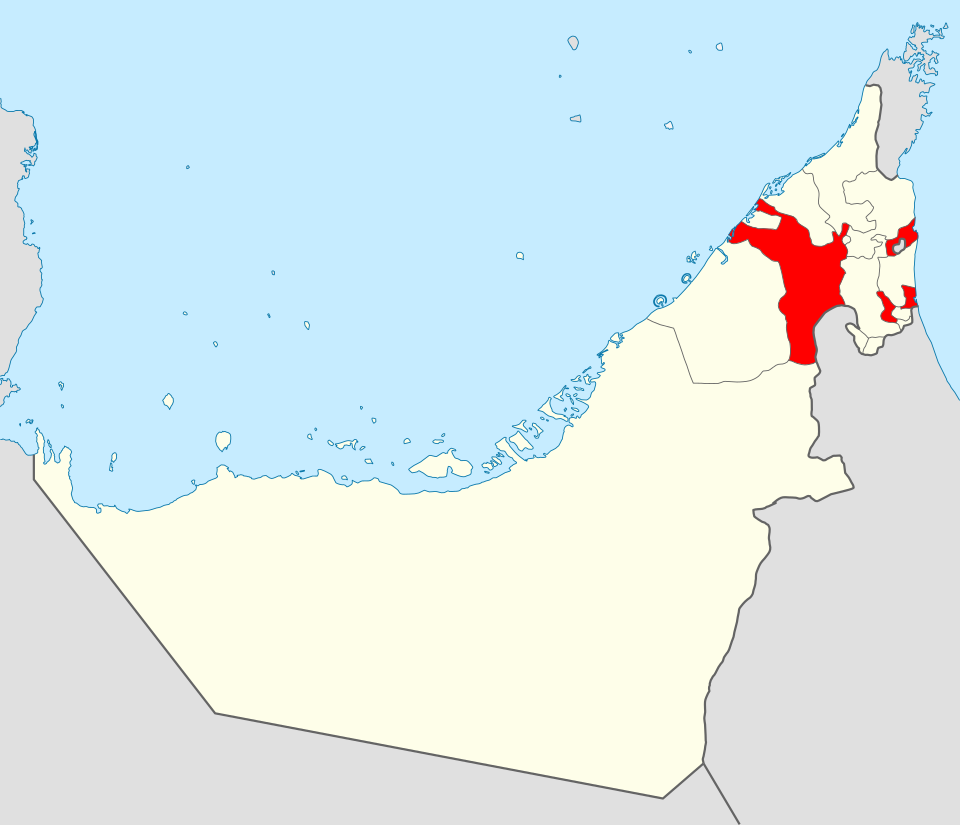
Sharjah is one of the most diverse emirates in the UAE. Within a relatively small area, it brings together a historic old town, heritage souqs, desert landscapes, mountain backdrops, and an eastern coastline along the Gulf of Oman.
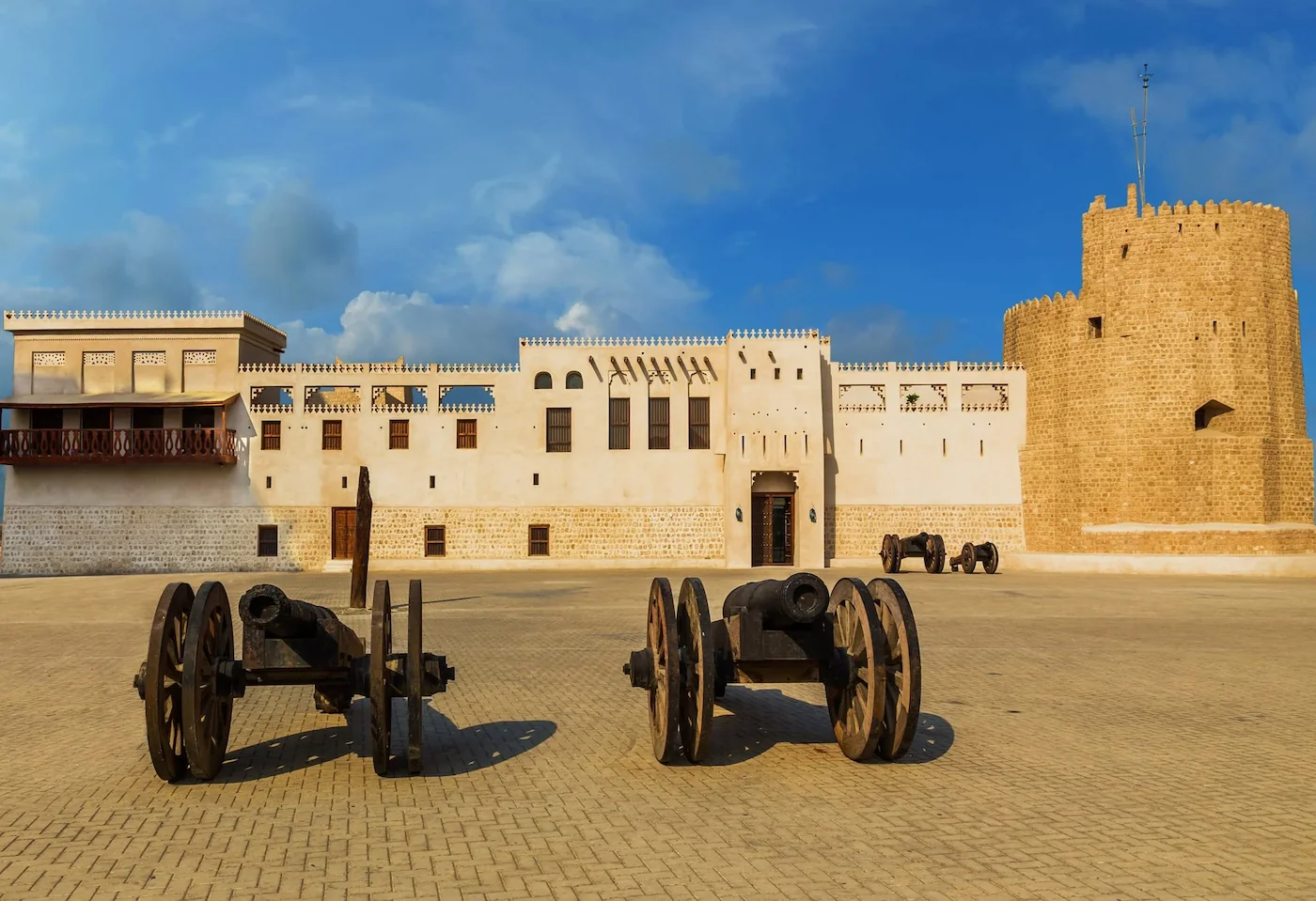
In the city, you will find Heart of Sharjah, museums, markets, and traditional architecture that give the emirate a more cultural and understated character.Once you move beyond the city, the scenery changes quickly. Inland Sharjah opens into desert landscapes and archaeological sites, while to the east the emirate reaches the coast with places like Khorfakkan and Kalba, where beaches, mangroves, and water-based activities take center stage.
Sharjah is therefore a strong choice for travelers who do not want to see only one side of the Emirates. In a single emirate, you get heritage, nature, and a much stronger sense of place than in some of its glossier and more modern neighbors.
Guide to Sharjah
Al Noor Mosque
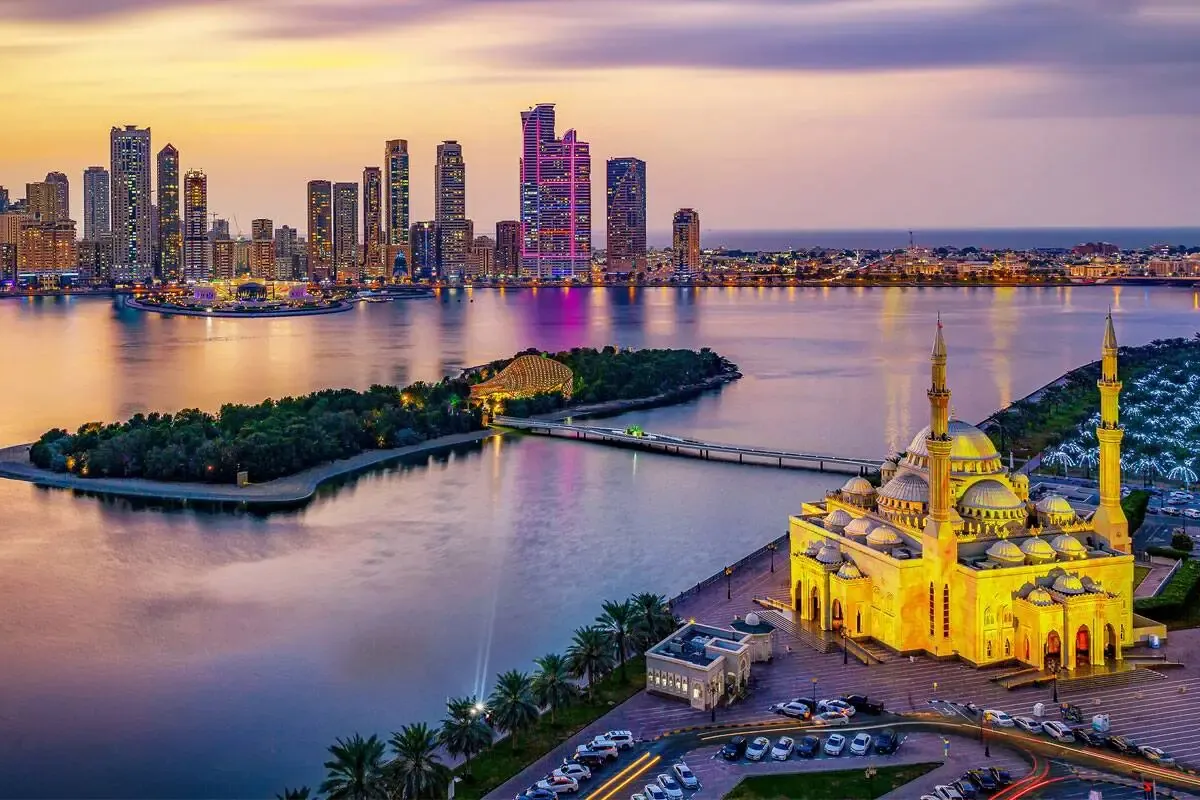
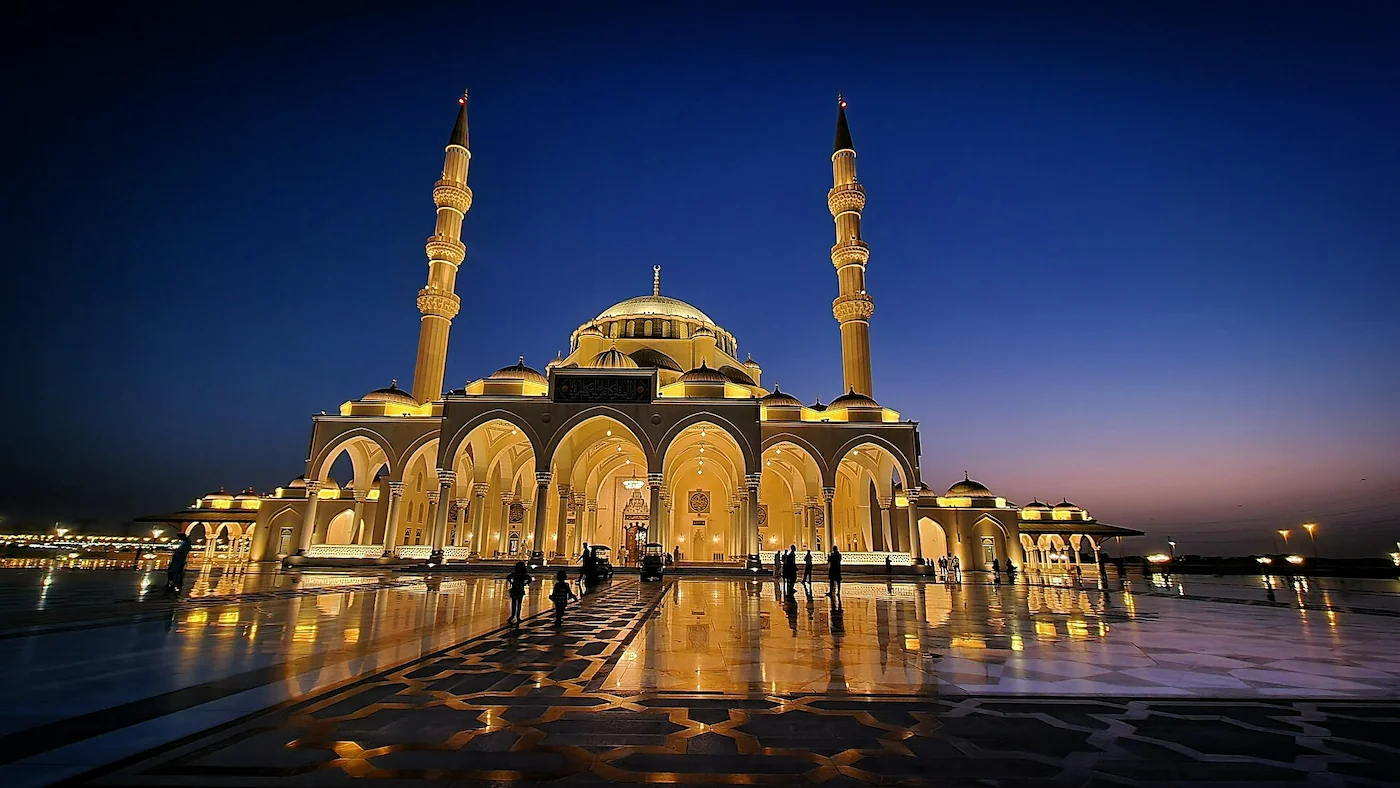
Al Noor Mosque is one of the most recognizable landmarks in Sharjah and one of those places where you quickly understand why the emirate places so much emphasis on culture and, above all, architecture. It stands beside Khalid Lagoon and, even from a distance, feels like an elegant counterpoint to the flashier urban skylines elsewhere in the Emirates.
Architecturally, the mosque is designed in an Ottoman-inspired style, with multiple domes and two tall minarets, which makes it interesting not only as a place of worship but also as one of the most photogenic buildings in the city. It looks especially beautiful in the soft morning light or just before sunset, when the white facade and details along the lagoon stand out even more.
One of the biggest advantages for visitors is that the mosque is also included in guided tour programs.
If I had to choose one place in Sharjah that most quickly brings together architecture, faith, identity, and a true sense of place, Al Noor Mosque would almost certainly be near the top of the list.
Souqs
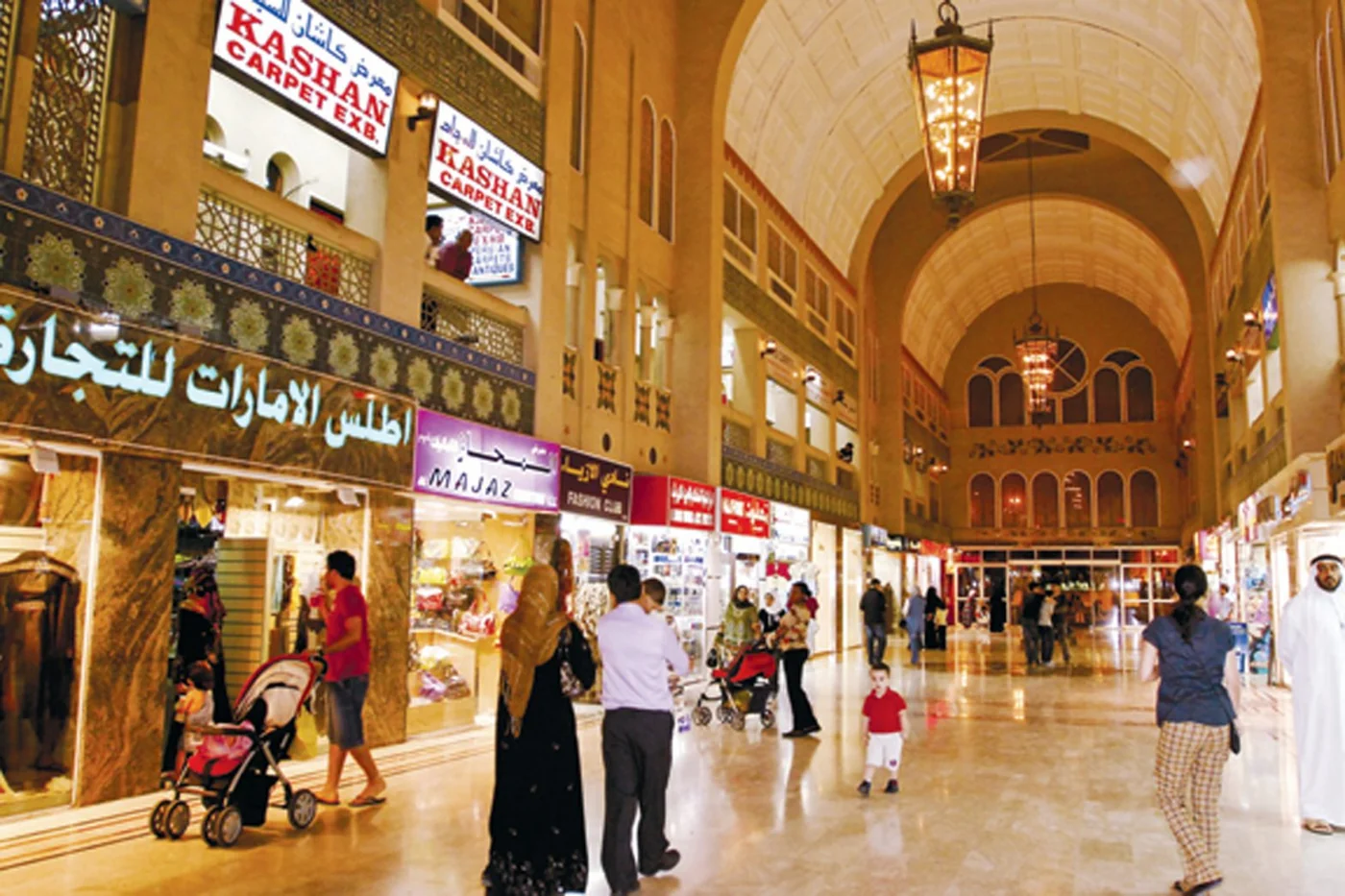
If you want to get a feel for Sharjah’s trading history and everyday city rhythm, the souqs are one of the best places to begin. The most famous is Central Souq, also known as Blue Souq, an iconic building by the lagoon that stands out not only as a shopping destination but also for its appearance — the blue details on the facade are among the emirate’s most recognizable visual motifs.
Inside, it feels almost like a small maze of shops. Official tourism sources highlight more than 600 stores across two floors, so this is not just a quick shopping stop, but a large and varied space with countless things to browse. You will find gold, jewelry, carpets, textiles, handicrafts, perfumes, souvenirs, and other regional products.
Blue Souq is also interesting because it combines both the tourist-facing and local side of the city. You can tick it off as an architectural landmark, or treat it as a slower walk through shopfronts, details, and the feeling that Sharjah is still closely connected to its trading past.
Museum
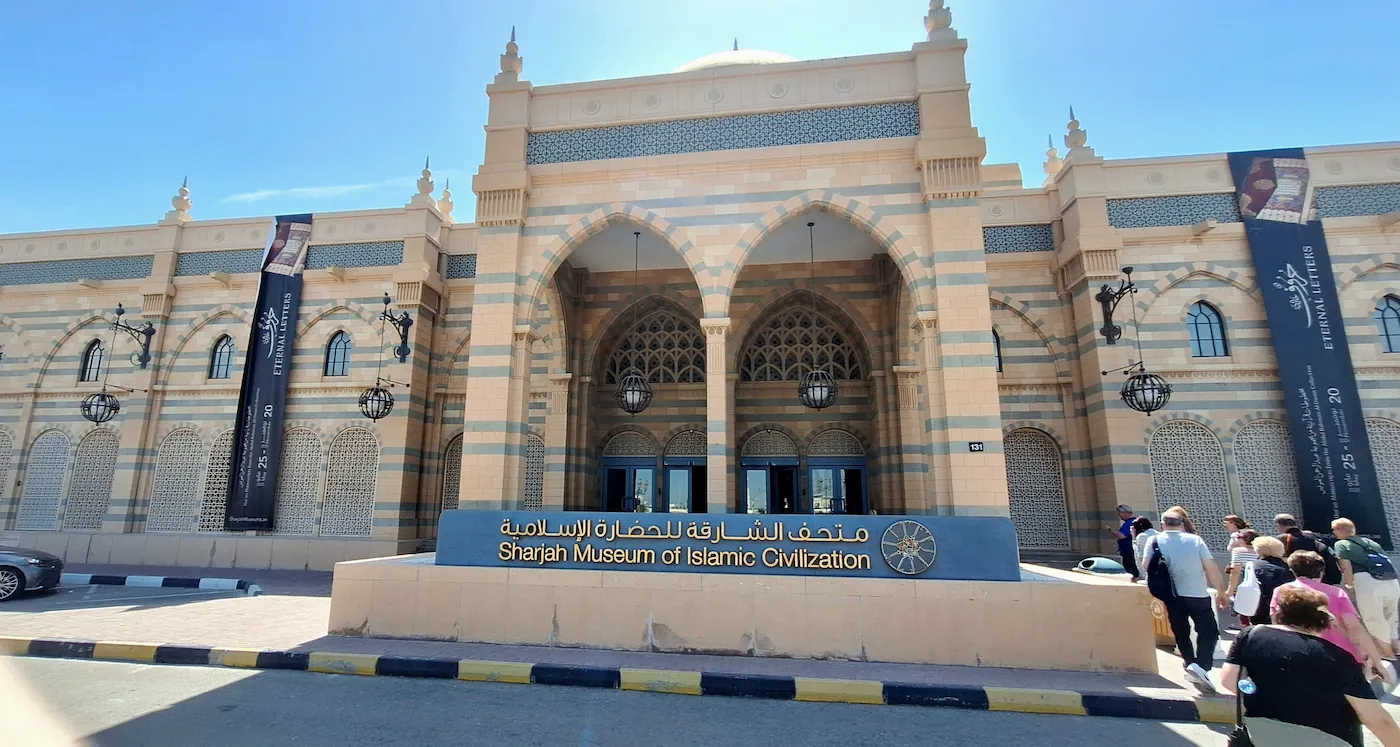
Sharjah Museum of Islamic Civilization is one of the key stops if you want to understand the emirate as a cultural destination rather than simply a city somewhere in the desert. The museum itself makes it clear that Sharjah deliberately builds its identity around knowledge, heritage, and the history of the Islamic world.
The collection is extensive, ranging from manuscripts and coins to ceramics, scientific instruments, and works of art. It also shows just how wide the influence of Islamic civilization once spread. Particularly interesting is the section focused on science and technology, because it quickly shifts the visit away from the idea of a standard “historical museum” into a much broader story of astronomy, medicine, navigation, and the development of knowledge.
It is a good reminder that Sharjah does not position its museums merely as decoration for visitors, but as a serious part of its cultural offering. If you are interested in places with real depth, this is a very strong stop in the day, especially when combined with the heritage quarter and the souqs.
The museum is therefore not only a recommendation for history lovers. It is also one of the best examples of why Sharjah often feels more layered and substantial than other parts of the UAE.
Sharjah Lagoon
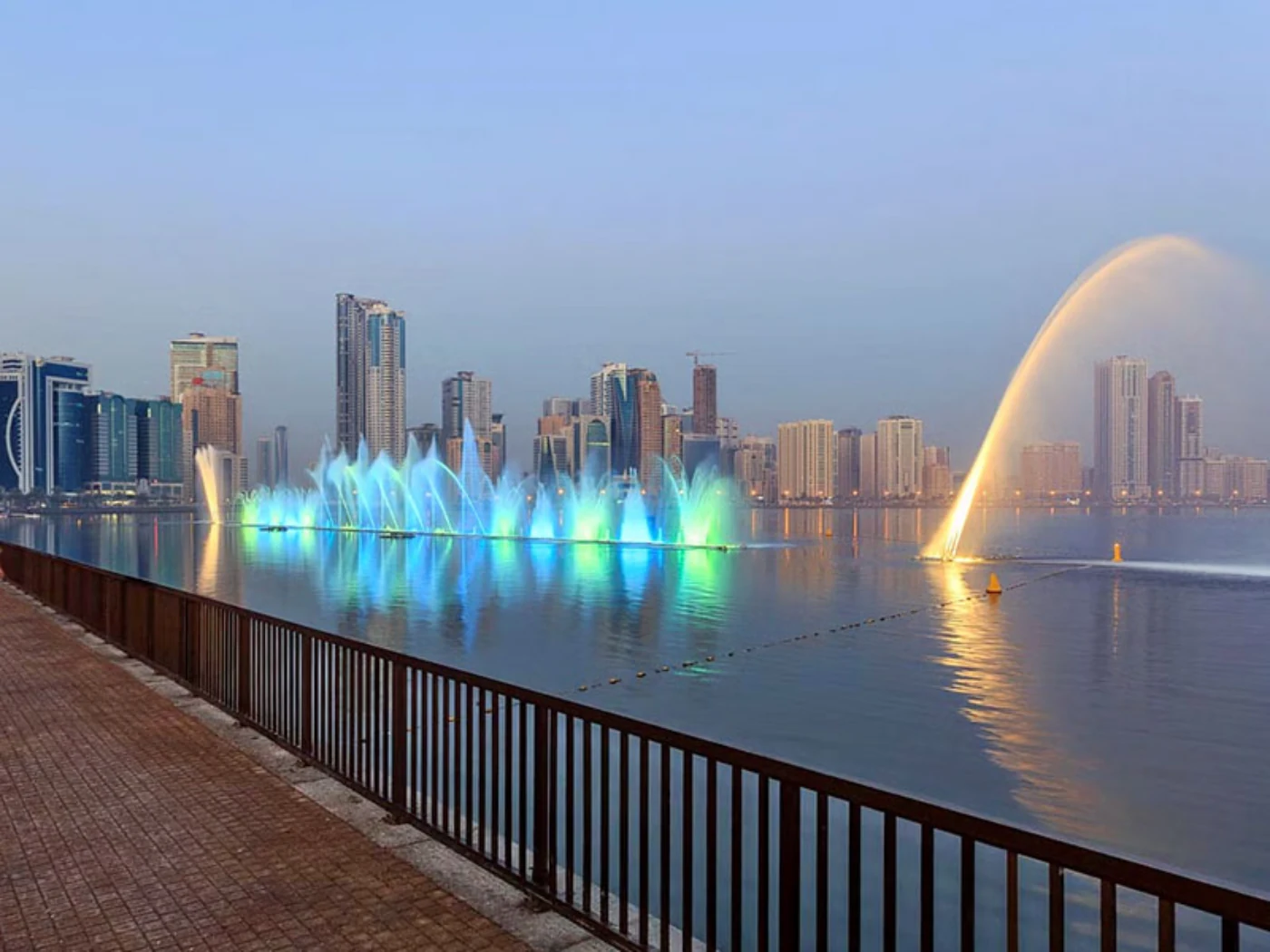
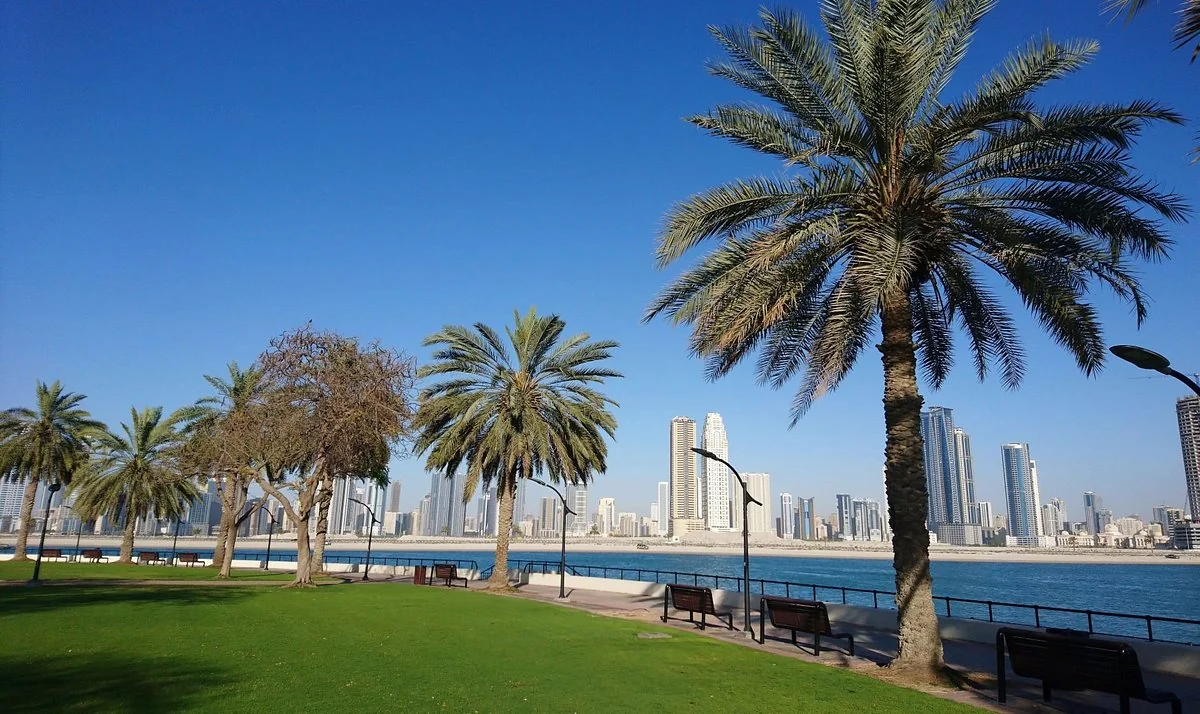
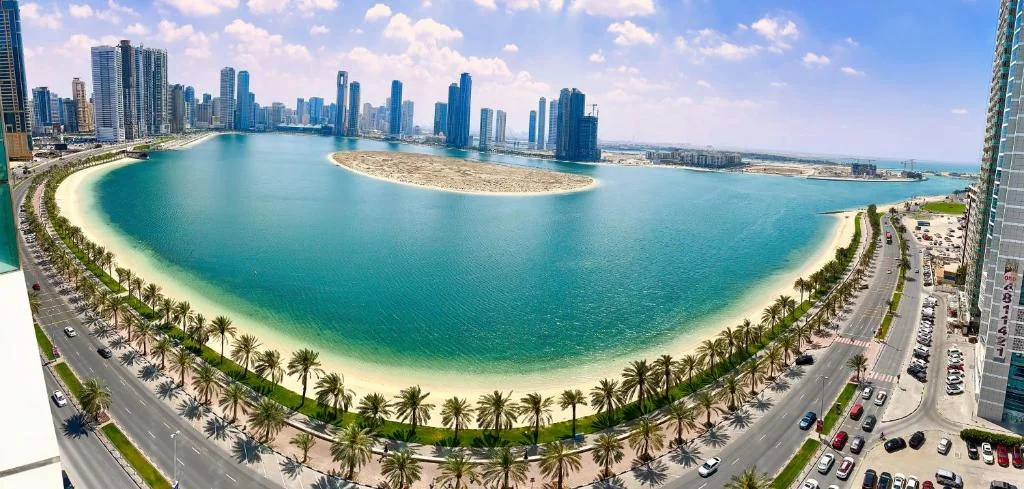
The lagoon and its waterfront promenades are among the most pleasant parts of Sharjah, especially if you want something more relaxed between museums, souqs, and heritage quarters. This is not a headline attraction in the usual sense, but rather a place where Sharjah finds its rhythm: walks, views, families, cafés, and evening light by the water.
One of the best-known areas by the water is Al Majaz Waterfront, a larger leisure and promenade zone with views, restaurants, a family-friendly atmosphere, and its well-known fountain shows. It is the kind of place where you do not need much of a plan — you can simply walk, pause for photos, and experience a slower, more local evening side of Sharjah.
Another advantage of the lagoon is how naturally it connects several key places. Al Noor Mosque, the souq, and other city highlights are all nearby, so a walk by the water works perfectly as a linking part of the day. Instead of experiencing the city only as a series of separate attractions, this is where you begin to see it as a whole.
For the end of the day, this is probably one of the best parts of Sharjah. It is not as intense as the promenades in Dubai, and that is exactly why it often works better.
Itinerary: Sharjah in 1 day
- Al Majaz Waterfront is an ideal first introduction to the city, because you quickly get a feel for Sharjah’s calmer rhythm while already standing in front of one of the most photogenic settings of the day.
- In Sharjah, the late morning belongs to the sights. Start with Al Noor Mosque, one of the most beautiful images of the city, where the peaceful and cultural side of the emirate comes through especially well by the water. Then continue to Central Souq, also known as Blue Souq, where the main appeal is not really shopping, but the setting itself: the blue details on the facade, the passageways between corridors, the old trading atmosphere, and the feeling that Sharjah builds its identity far more on heritage than on spectacle.
- For lunch, it makes sense to stay around Al Majaz or by the lagoon, where there are plenty of cafés and restaurants.
- Sharjah Museum of Islamic Civilization is a genuinely strong central stop if you want to take away more than just beautiful views; both official and tourism sources highlight it as one of the city’s key cultural museums. Heart of Sharjah adds that final layer of a place that speaks for itself — restored streets, traditional architecture, courtyards, souqs, and the slower rhythm of the old town.
Gallery