
10 Mountain Classics in Slovenia (Without Triglav)
10 Mountain Classics in Slovenia (Without Triglav)
Sure, Triglav is Slovenia’s highest peak and a true national icon. But if you’d rather trade the crowds for a quieter trail without giving up jaw-dropping views or that genuine high-alpine feeling, you’re in the right place. These 10 classic hikes are my favorite alternatives to Slovenia’s most famous mountain. You’ll spend less time saying “hi” to others and worry less about loose rocks tumbling down the trail.
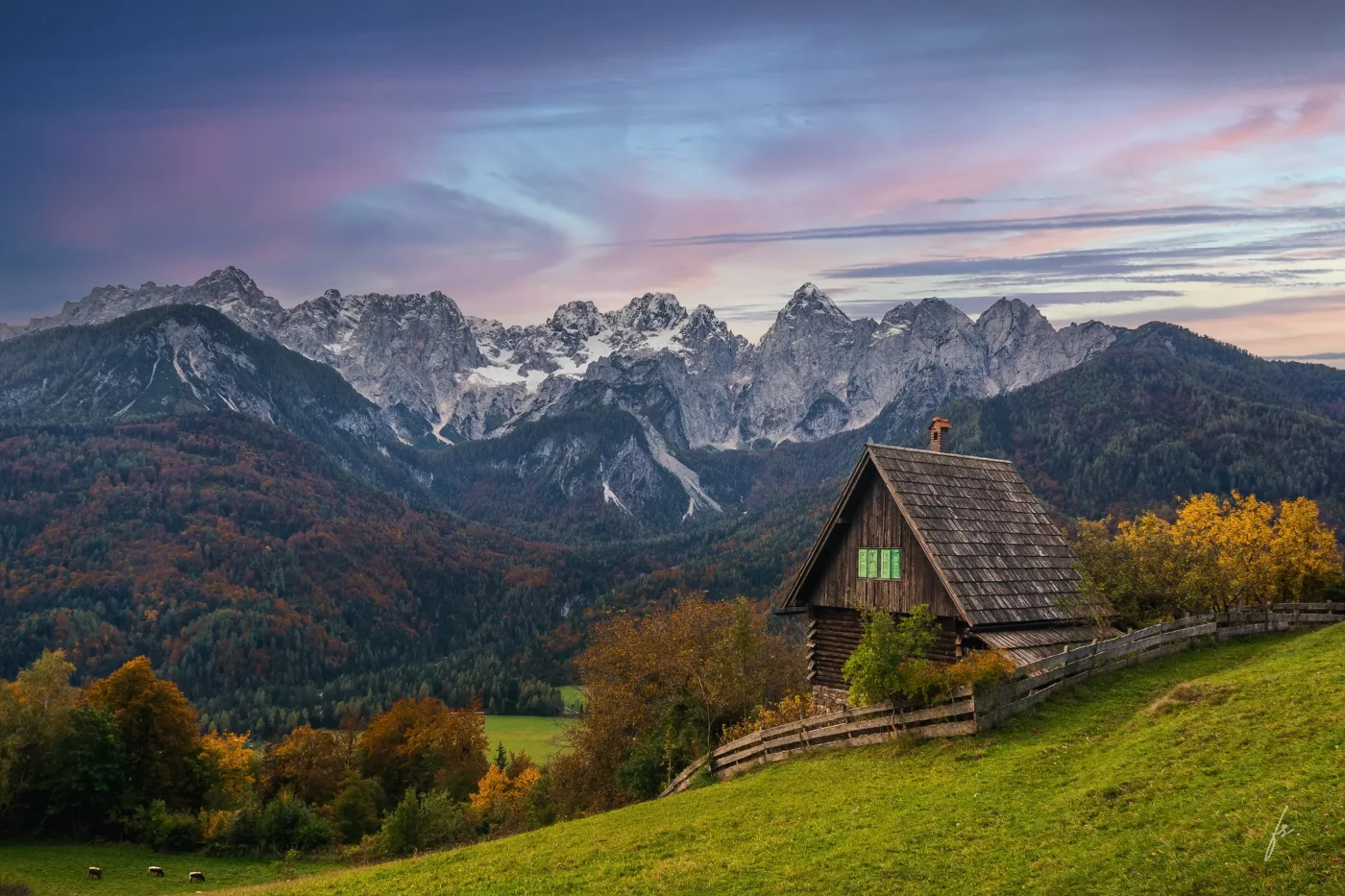
Note: times and difficulty vary depending on the trailhead, conditions, and the route you choose. Before you go, check current conditions, weather, and official information—and pick a route that matches your fitness and experience.
#1
Škrlatica
The queen of views and “first lady” of the Julian Alps.
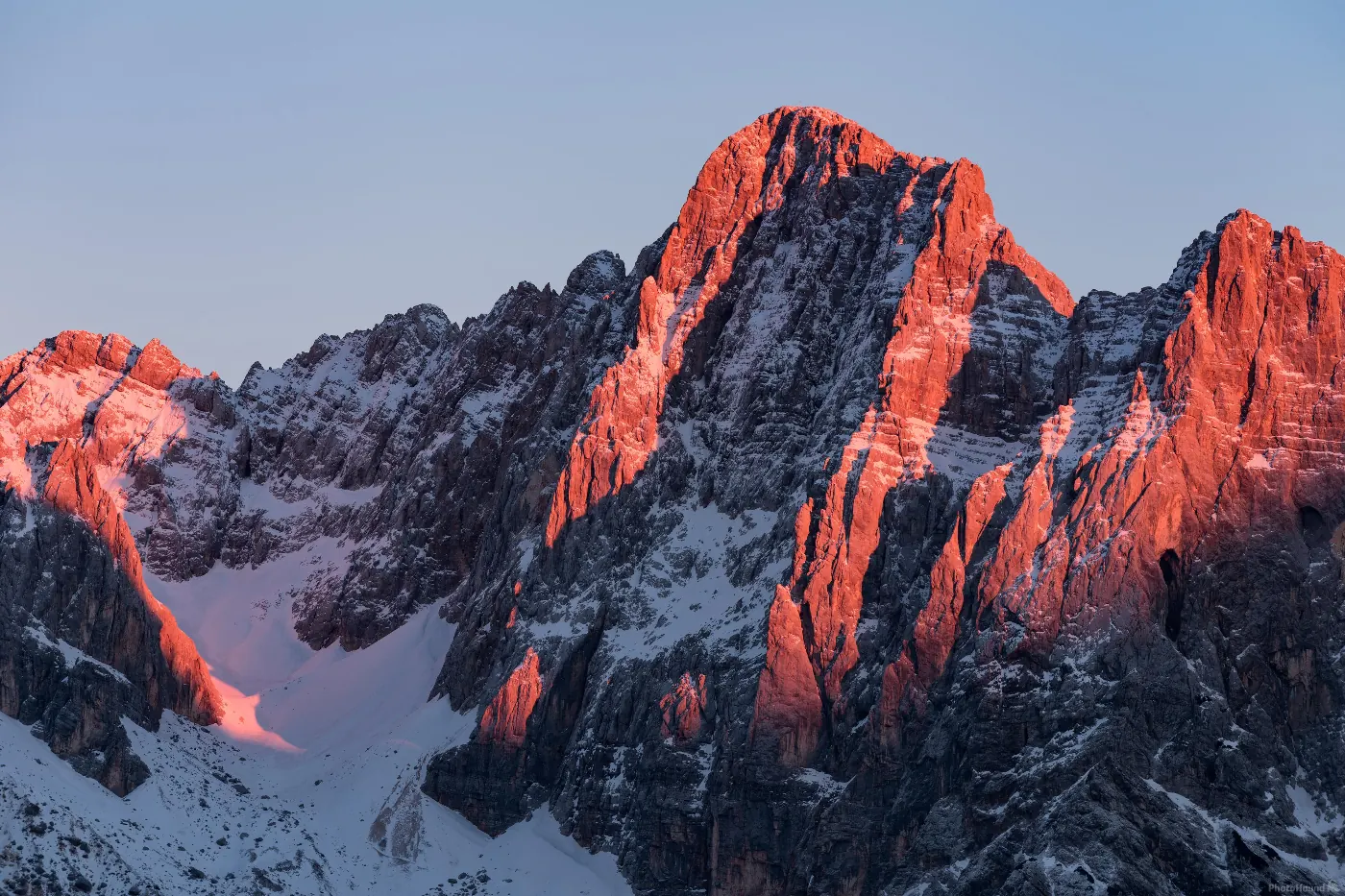
Škrlatica (2,740 m) sat on my wish list for far too long—until 2024, when I finally stood on its summit. As Slovenia’s second-highest mountain and one of the most striking peaks in the Julian Alps, it offers one of the finest views of Triglav and the surrounding ridgelines.
The most common approach starts in the Vrata Valley (Aljažev dom). The ascent typically takes 7–9 hours of hiking (depending on route and pace). It’s classified as a demanding marked trail—not extreme climbing, but you should expect exposed sections, fixed cables, and a substantial elevation gain (around 1,700 m). You’ll need solid fitness, a steady step, and proper gear (a helmet is recommended due to loose rock).
Read more about my experience in the Škrlatica ascent.
- Why go
- Less crowded.
- Best for
- Experienced hikers with strong fitness.
- Route type
- Full-day hike, more demanding terrain.
#2
Jalovec
A symbol of the Alpine Association of Slovenia and the most spectacular mountain here.
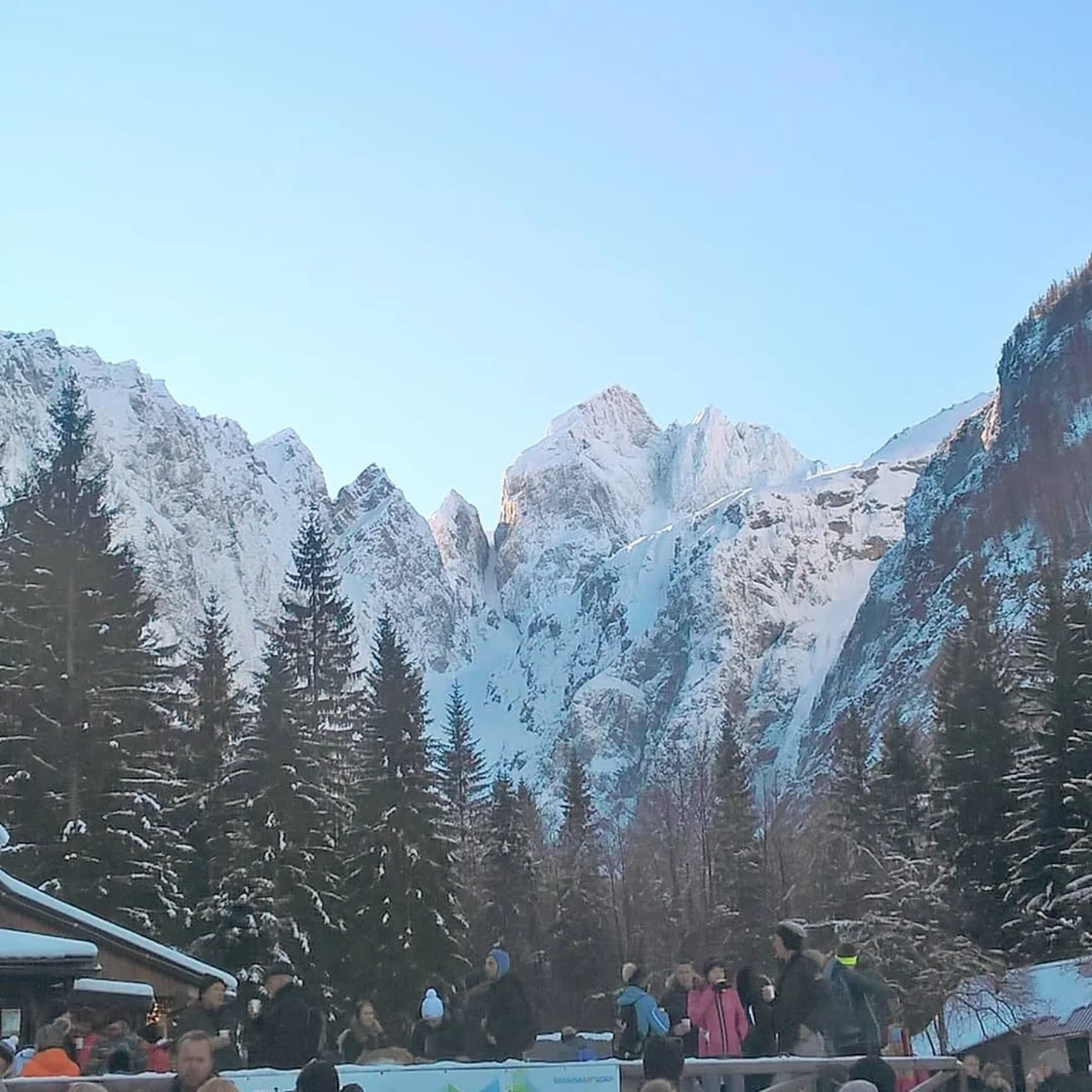
Jalovec (2,645 m) is often described as one of the most perfectly shaped peaks in the Julian Alps. Its pyramid silhouette is unmistakable from afar—especially from the Tamar Valley or the Vršič Pass.
The upper ridge is narrow and exposed, with a sense of emptiness on both sides. This isn’t a casual walk on a mountain path. It’s movement along a line between air and stone. One particularly striking feature is the view toward Ozebnik: a steep snowfield (or gully) below the summit on the northwest side.
And for those of us who collect summit stamps, Jalovec is one of those routes that never stays off the list for long.
- Why go
- One of the iconic peaks of the Julian Alps.
- Best for
- More experienced hikers who enjoy exposed ridges.
- Route type
- Full-day; can be very demanding (depending on route).
#3
Mangart
A stunning border mountain between Slovenia and Italy, rising above the Goriška region.
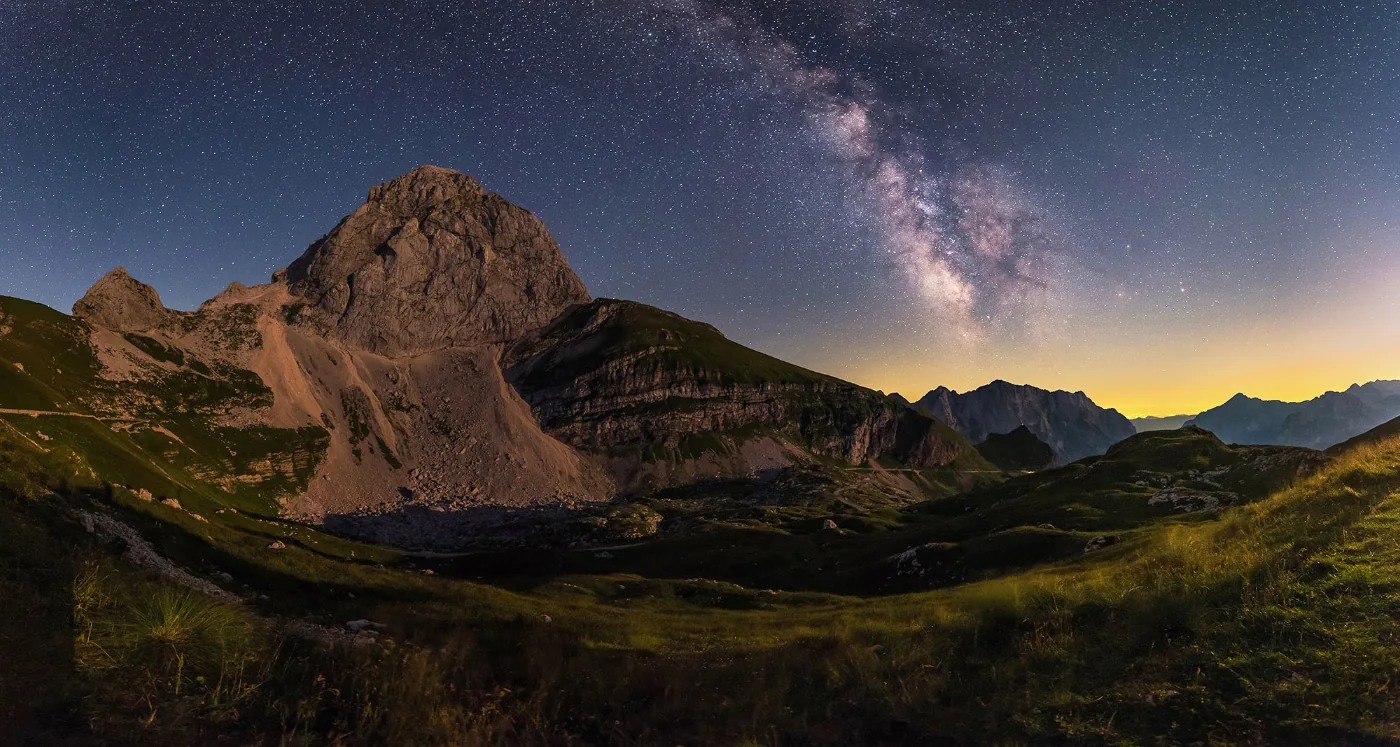
Mangart (or Mangrt, 2,679 m) is one of those peaks almost every hiker keeps on their radar. Some of us also remember the name from a production company with the same name. With its 2,679 meters, it’s among the highest mountains in Slovenia and it sits right on the Slovenia–Italy border. The summit opens up vast panoramic views from nearby Jalovec all the way to the Italian side of the Julian Alps.
Mangart’s standout feature is access: the road to Mangart Saddle climbs above 2,000 meters, shortening the hike significantly—while often lengthening the tourist line. Two main routes lead to the top: the Italian Via Italiana (with fixed cables), which is more exposed and protected, and a slightly easier Slovenian alternative.
My ascent would’ve been close to perfect… if I hadn’t made a beginner mistake. For the first (and last) time in my life, I didn’t have proper hiking boots. It was only on the scree and exposed sections that I truly felt how much grip and a stable step matter. I finished safely, but the difference between “I can manage” and “I feel safe” is huge.
That’s why I can offer a friendly piece of advice, before you head out on a route like this.
- Why go
- Big alpine panorama and a true high-mountain feel.
- Best for
- Hikers who want a shorter high-alpine outing.
- Route type
- Very demanding marked mountain trail.
#4
Prisojnik
A mountain famous for its two iconic natural features: the Prisojnik Window and the Heathen Maiden.
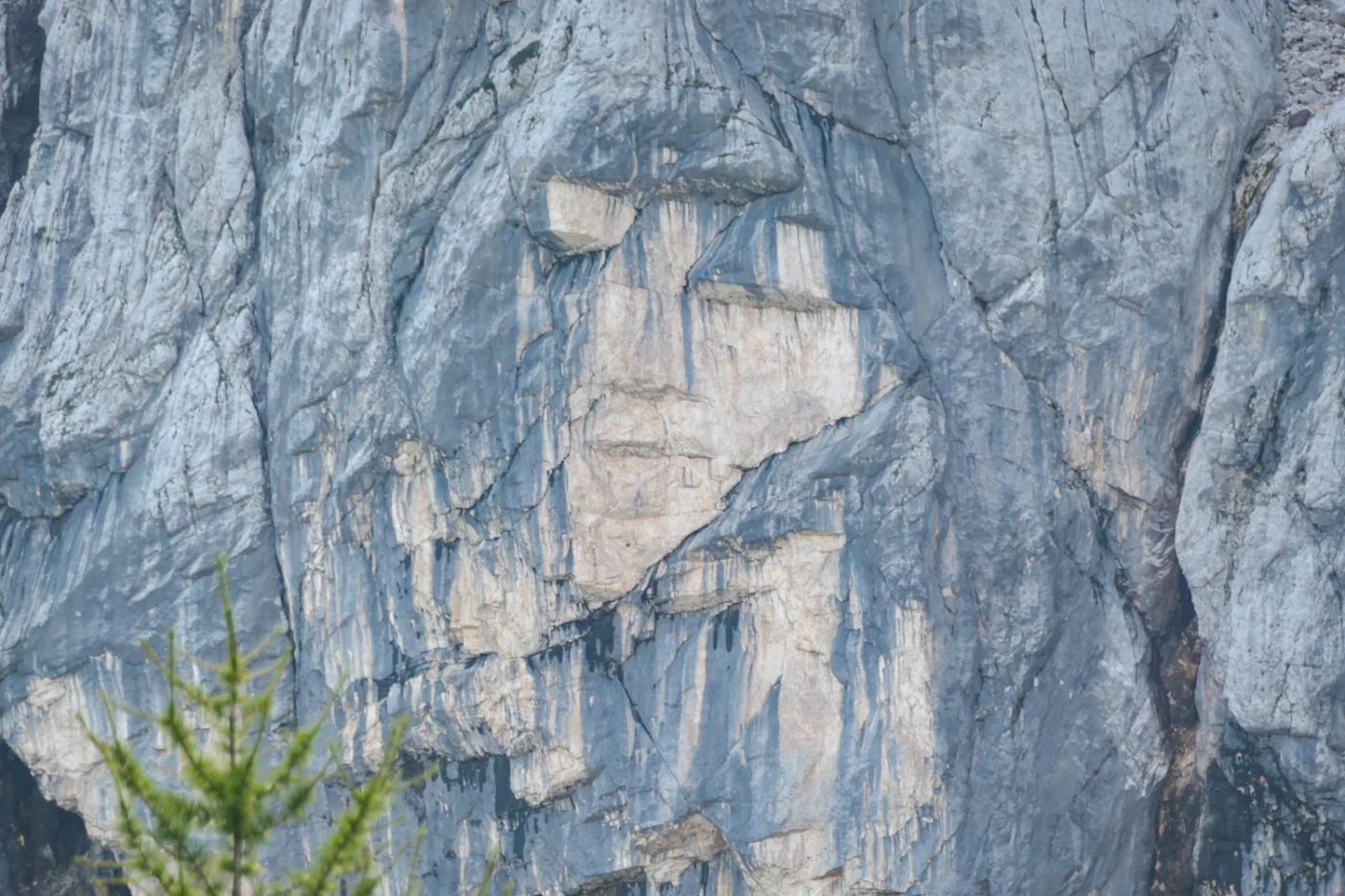
Prisojnik (also known as Prisank, 2,547 m) is one of the most recognizable peaks above the Vršič Pass. You can see it clearly even from Lake Jasna (in Kranjska Gora), which is why it’s a frequent target for camera lenses.
Prisojnik Window is considered one of the largest natural rock windows in the Julian Alps, and Ajdovska deklica—the “Heathen Maiden”—is a stone face tied to one of Slovenia’s best-known mountain legends. With these two symbols, the mountain becomes something more than a destination: it’s a story carved into rock.
In 2022 I experienced it up close—not just from Vršič, but by stepping into its vast wall. I reached the summit via Kopiščar’s Route, one of the more engaging and varied ways up, where moving between rocks turns into scrambling on all fours above exposed passages. Even so, it was a one-of-a-kind experience—and yes, I’ll admit it: this is for true via ferrata enthusiasts.
- Why go
- A classic outing with real character.
- Best for
- Via ferrata lovers; Jubilee or Kopiščar’s route.
- Route type
- Alpine terrain, very demanding marked mountain trail.
#5
Razor
Mountain reveals its true character near the summit, where the rock tilts steeply skyward.
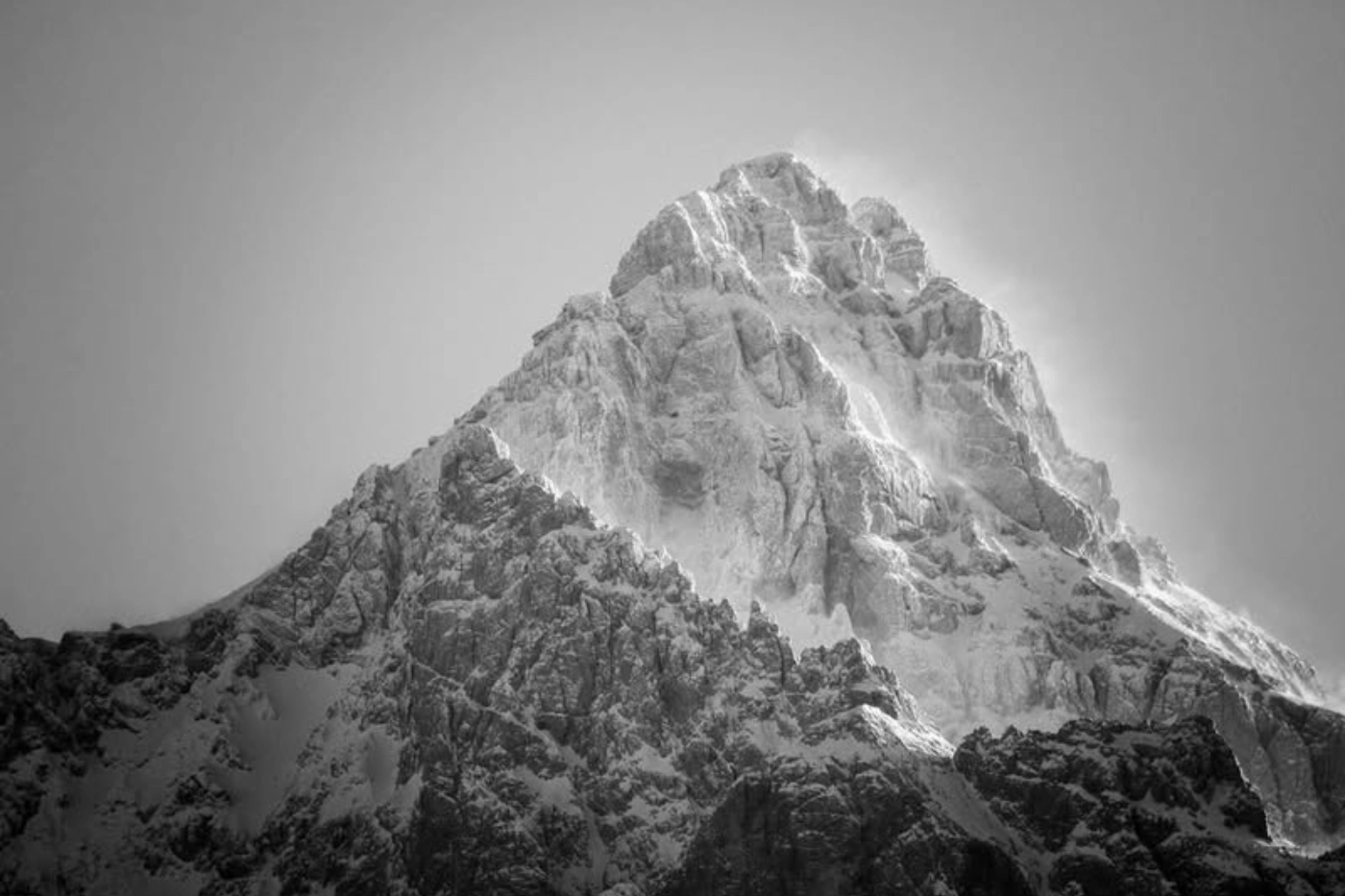
Razor (2,601 m) rises above the Krnica Valley and the Kriški Podi plateau—often living in the shadow of more famous neighbors, yet in reality a true high-alpine gem of the Julian Alps. From the summit, views open toward Prisojnik, Škrlatica, and the central Julian range, and its sharp shape makes it look almost unreachable.
Several very demanding routes lead to Razor—most commonly from Vršič, Krnica, or Zadnjica. Many approaches are classified as very demanding marked trails, where a helmet and a via ferrata kit are recommended due to exposure and (important) protected sections.
This time, the mountain surprised me right at the end. Near the summit, a ladder appears—at moments even slightly overhanging—just enough to make you pause, look up, and think: okay, now it’s getting interesting. That moment was one of the more adrenaline-filled parts of the day, and also the one to remember.
- Why go
- Scenic ridges and an interesting “finale”.
- Best for
- Sure-footed, skilled hikers.
- Route type
- Demanding marked trail, with extra spice near the top.
#6
Viševnik
A mountain not too high, not too low—just right.
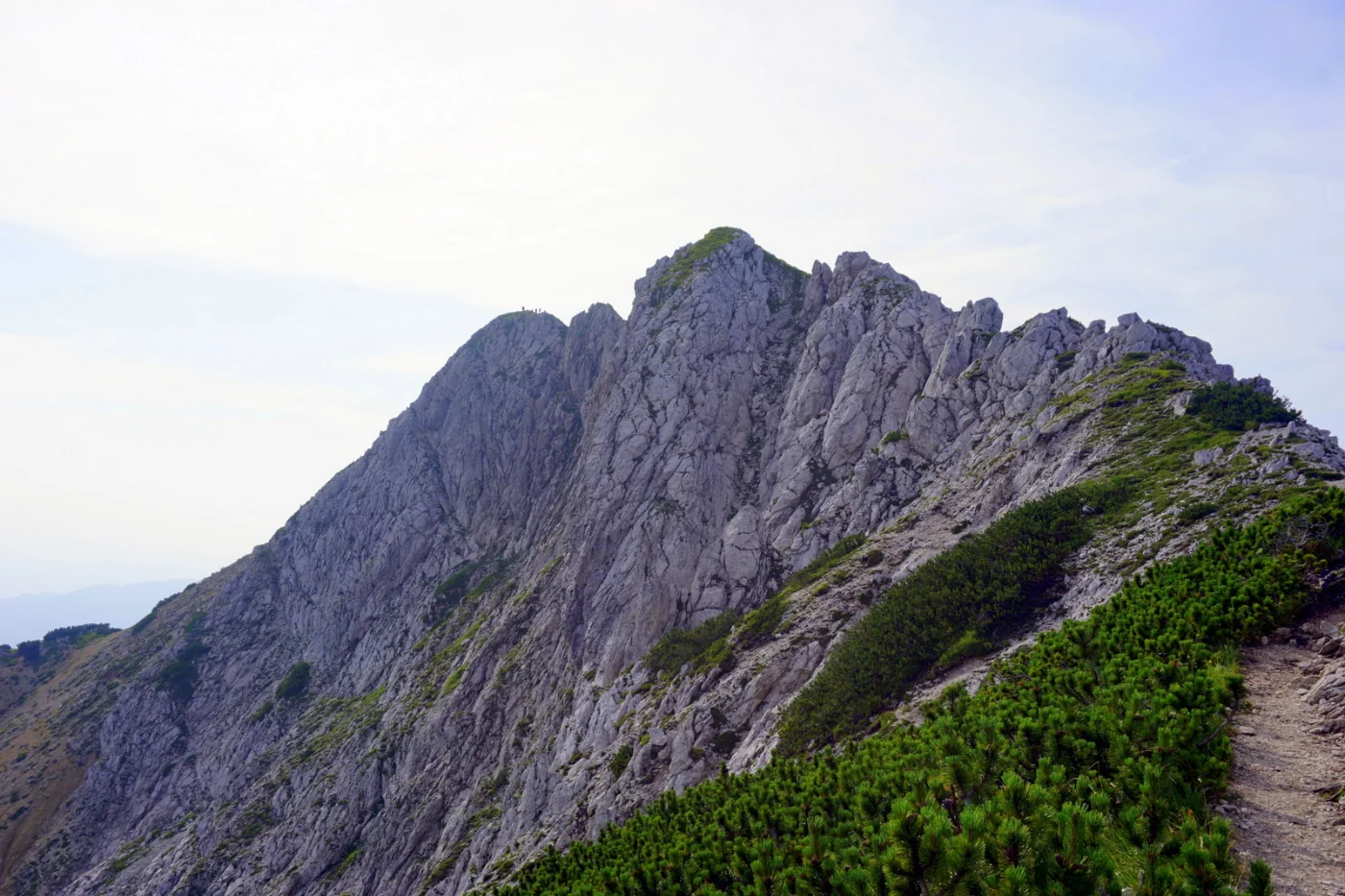
At 2,050 m, it’s an excellent viewpoint that’s accessible in every season—and it offers one of the best looks at Triglav and the Planica valley. With the trailhead on Pokljuka, the hike is relatively short, making it a common first choice for those who want a taste of real alpine scenery without committing to a long day.
- Why go
- Top view of Triglav and Planica.
- Best for
- A wide range of hikers (in the right conditions).
- Route type
- A fairly easy marked trail.
#7
Špik
A mountain you fall in love with at first sight.
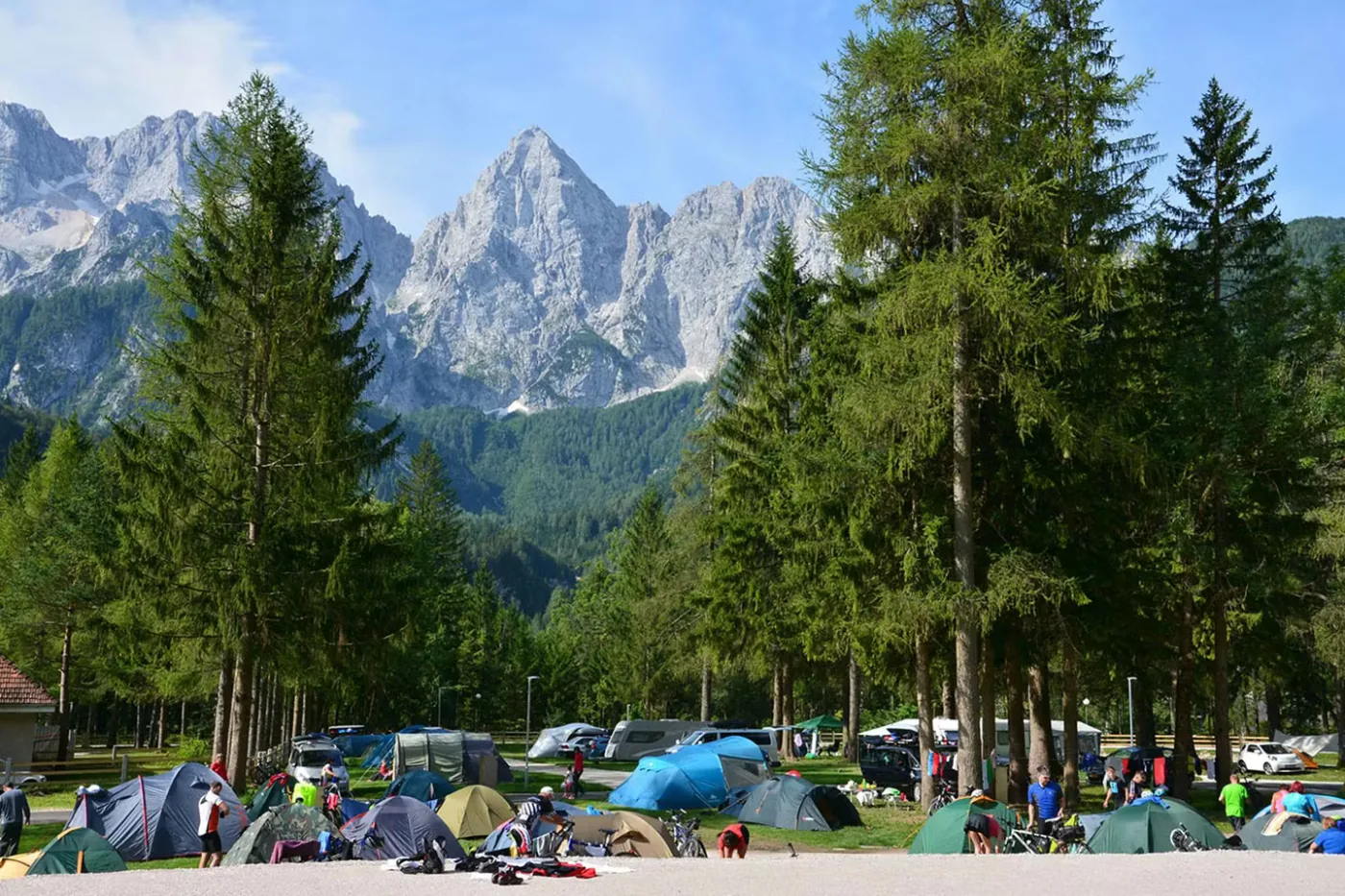
Špik (2,472 m) is one of those mountains you don’t visit just once. Its striking pyramid silhouette catches your eye from the valley below and quietly plants the dream of standing on its summit one day.
I first tried to climb it when I was ten. Back then, the desire was bigger than the experience, so the mountain remained an unfinished story. A year later I returned — and succeeded via Kačji graben, the steep and classic route up Špik that gains over 1,500 m and typically takes around 4–5 hours to the summit.
Then almost twenty-five years passed. This time the climb felt different—less childlike excitement, more respect for the mountain. The weather wasn’t on my side; clouds hid the famous views Špik is known for. But sometimes those are the days that show you another face of the mountains: silence, focus on each step, and the awareness that a summit isn’t always about the panorama.
That was the most interesting part—how differently you experience the same mountain over time. What once felt like an adventure becomes, later, responsibility—and the knowledge that conditions in the mountains can change the entire experience in a heartbeat.
Which is why I keep returning to the same thought: good preparation isn’t something you do because of necessity—it’s something you do for yourself. Weather and an honest assessment of your abilities often decide whether a day in the mountains becomes a great memory or an unnecessary risk.
Before you go, you can read a few more useful tips.
- Why go
- A panorama worth earning across the scree.
- Best for
- Average fitness (with solid preparedness).
- Route type
- Marked trail, slightly more demanding near the top.
#8
Kanjavec
Almost fatal—but incredibly beautiful.
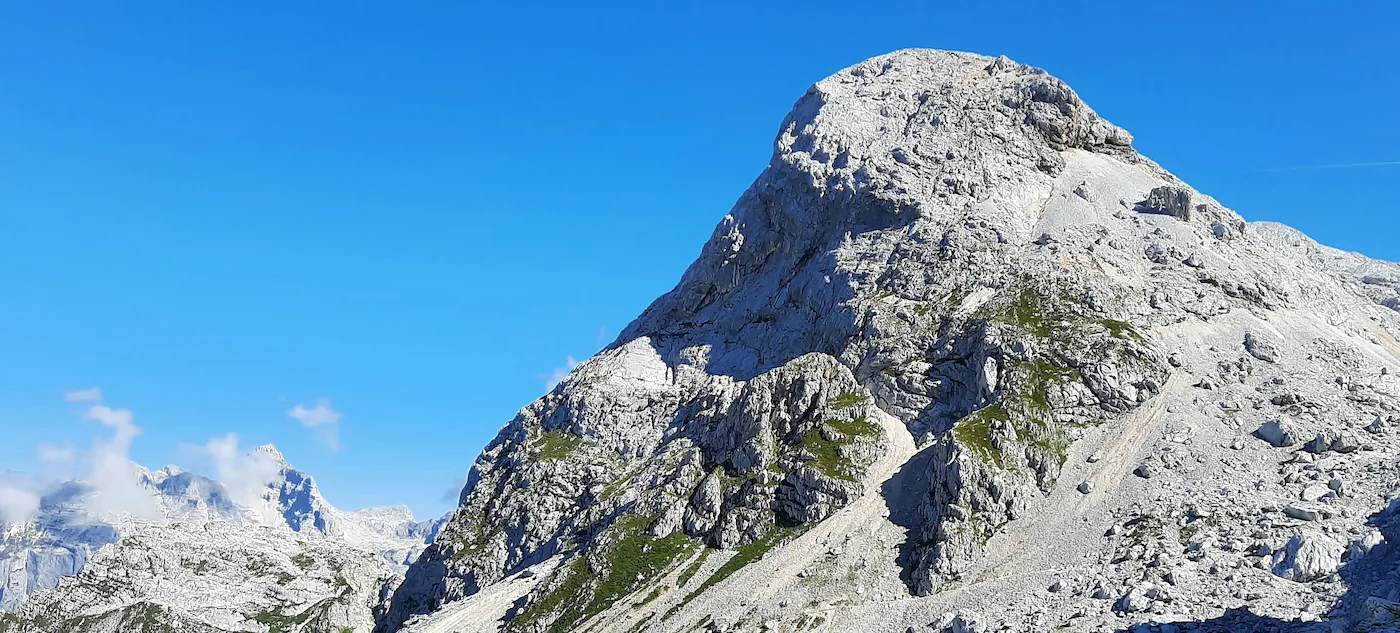
Kanjavec (2,568 m) is one of those mountains that looks friendly on a map—a broad plateau and a sense of open space. In reality, it can quickly remind you that high mountains aren’t always a walk in the park—even when conditions look ideal.
The first time a colleague and I headed toward the summit, snowfields were still visible on the slopes, even though it was already the second half of June. Within just a few minutes, the temperature dropped by 10 to 15 degrees. Even though I had (small) crampons and was cutting steps, I slipped on one of the crossings. A few meters were enough for time to slow down, and below me Prehodavci slowly emerged. Luckily, I managed to stop on my own—no injury, but with a very clear warning about how fast conditions can turn against you.
Kanjavec taught me something simple: in the mountains, the win isn’t always the summit—sometimes the best decision is to turn around. Conditions, equipment, and honest judgment often matter more than the desire to reach the goal. The route is a bit longer and requires some endurance, but it’s mostly technically straightforward. The best starting point is Planina Blato, with alternatives via Komna toward Dolič, or from the Zadnjica valley. Even so, Kanjavec remains one of my favorite mountains in Julian Alps.
- Why go
- A key high-alpine crossroads of the Julian Alps.
- Best for
- Hikers who want a true Julian Alps classic.
- Route type
- Technically straightforward. Marked trail to the summit.
#9
Begunjščica
A “viewing balcony” above Gorenjska region.
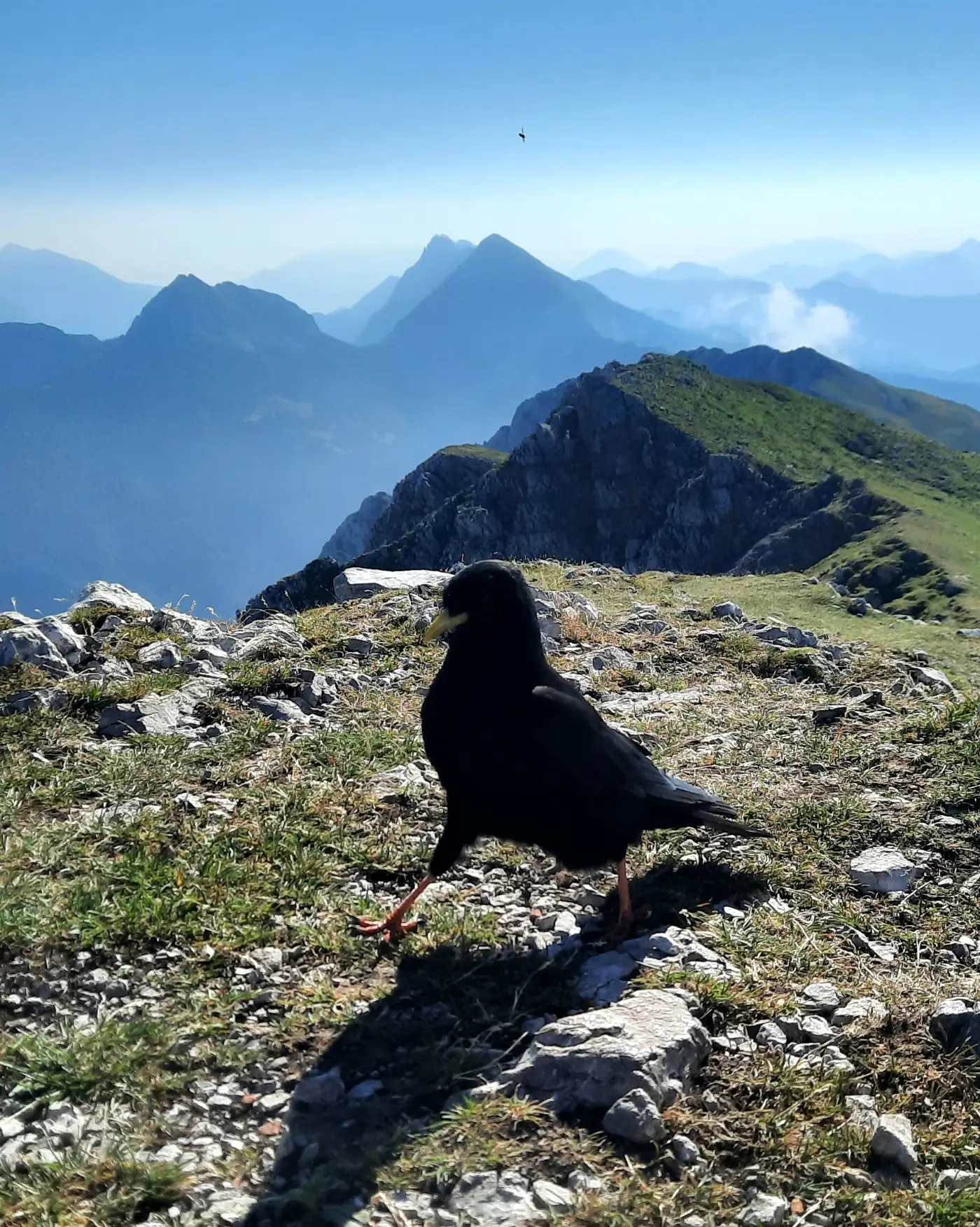
Begunjščica (2,060 m) is one of the most popular mountains in the western Karavanks. The most common approach starts at Ljubelj, via Zelenica and Roblek Mountain Hut, though a loop via Šentanski plaz or along the main ridge is also possible.
It’s one of those mountains many hikers quickly fall for. A long, varied ridge, softer grassy slopes, and open views give you that “I’m really up high” feeling—without the harsher vibe of bigger alpine terrain. That’s why it feels like one of the more family-friendly classics.
The ascent isn’t technically demanding, yet it still offers a proper mountain experience in 2 to 4 hours, depending on whether you start from Ljubelj or take the longer route via Roblekov Hut.
- Why go
- Views and easy access from the valley.
- Best for
- Honestly, it’s easier to say who it’s not for.
- Route type
- An easy marked mountain trail.
#10
Storžič
A bold, steep-sided peak that truly embodies the rugged character of the Kamnik–Savinja Alps.
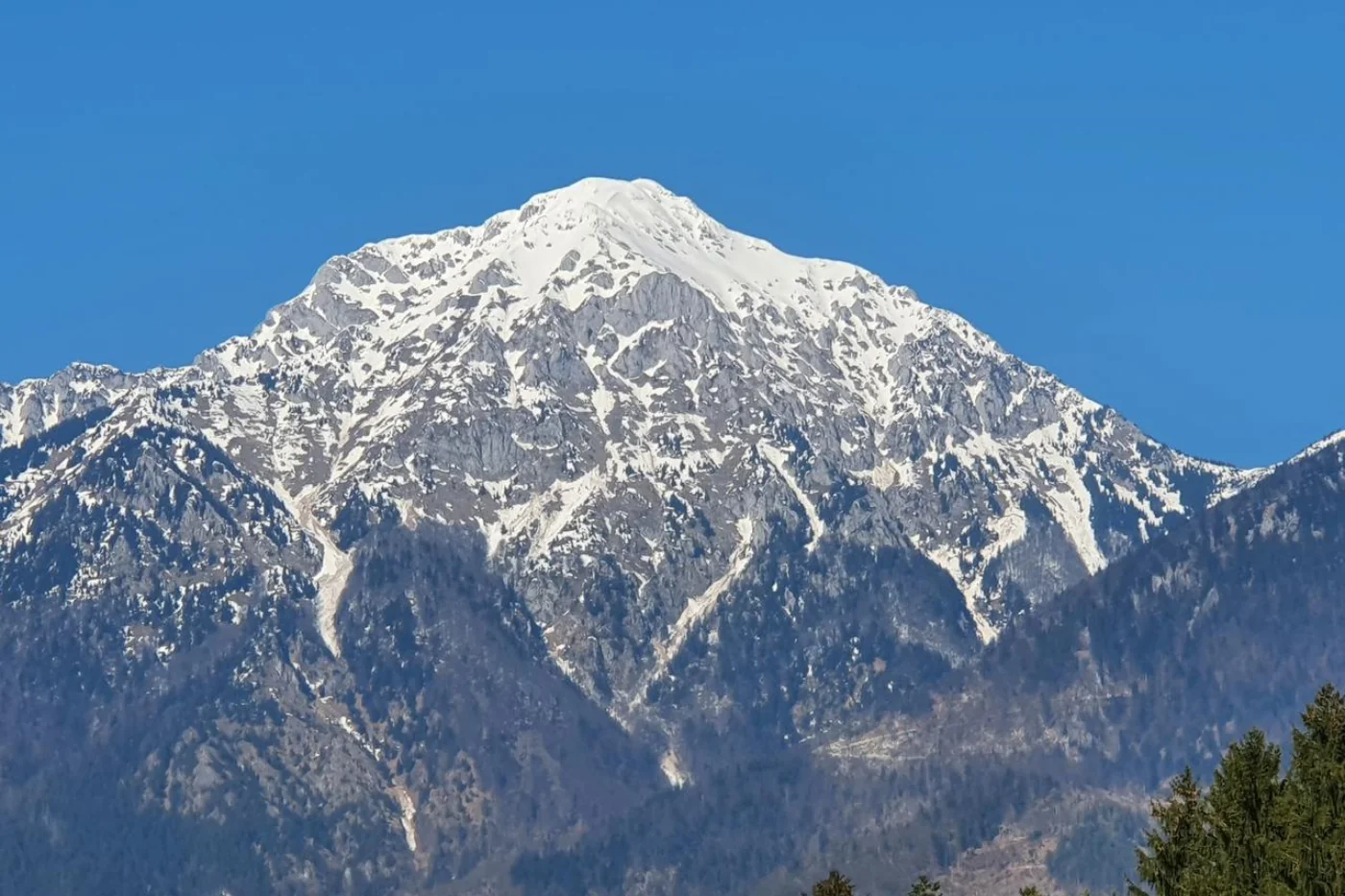
Storžič (2,132 m) is a truly striking mountain, famous for its pronounced cone shape. In good weather, you can’t miss it—though it also has a reputation for “cooking up” local unpleasant weather over the area beneath it.
From the classic starting point at Dom pod Storžičem Hut, you’ll climb around 1,200 meters of elevation in three to four hours. The final section crosses scree and erosion-worn slopes, where the terrain steepens significantly. Your steps get shorter, the pace slower, and suddenly you realize the summit is mostly about persistence. It’s not technical climbing on the standard routes, but it’s physically demanding—especially on the descent, where careful footing matters.
From the top, wide views open toward the Julian Alps, the Karavanks, and the central Kamnik–Savinja Alps.
- Why go
- A true alpine feel and broad panoramas.
- Best for
- Fit, well-prepared hikers.
- Route type
- A demanding mountain trail.