Italy
Italy
Italy at a glance
Italy is not a country you can sum up in one neat sentence. In the north, the Dolomites and Alpine roads pull you in; farther down, the cities carry more layers of history than many entire countries.
- Best first choice: Rome for a city trip or northern Italy for a mountains + cities combination
- For 4–6 days: Dolomites / Veneto or Rome and Tuscany.
- For a weekend trip: Tuscany, Veneto, Dolomites.
- For contrast: mountains in the morning, history or the sea in the afternoon.
- For urban energy: Milan, Bologna, Rome or Verona.

Guide to Italy
Italy is divided into 20 regions, and that is a big part of what makes the country feel so layered.
For an active start, the most natural choice is the Dolomites in northeastern Italy, especially across Veneto, Trentino-Alto Adige and Friuli Venezia Giulia. The Dolomites are a UNESCO natural heritage site, with 18 peaks rising above 3000 meters, which makes them a strong choice for skiing, hiking, cycling or a short mountain escape between passes, rock walls and valleys.
If you want the city side of Italy, the story quickly moves into the major regions and their big names. Rome is in Lazio and is the most logical first choice for ancient history, the Roman Forum, Pantheon, Colosseum, Vatican and evening city atmosphere. Florence is in Tuscany: a city built on Etruscan and Roman foundations, which became one of the symbols of the Renaissance under the Medici in the 15th and 16th centuries. Milan is in Lombardy and feels more northern Italian: fashion, design, aperitivo and the Duomo with 135 spires and more than 3400 statues.
Northern Italy is especially useful for shorter trips from Slovenia. Veneto means Venice, Verona, Padua and access toward the Dolomites. Venice began forming in the 5th century and spreads across 118 islands, while Verona is an old Roman city on the Adige River that developed strongly under the Scaligeri in the 13th and 14th centuries. Emilia-Romagna adds Bologna, food culture and more than 62 km of porticoes, which makes the city interesting even when you are not chasing a classic sightseeing checklist.
To the west, Liguria brings the coast and Cinque Terre, where five medieval villages — Monterosso, Vernazza, Corniglia, Manarola and Riomaggiore — work best by train and on foot. For a slower rhythm, Tuscany and Umbria are especially rewarding: Tuscany for Florence, Siena, Val d’Orcia, wine and scenic roads; Umbria for places like Orvieto, a town with more than 3000 years of history, Etruscan traces beneath the surface and the 16th-century Renaissance well Pozzo di San Patrizio.
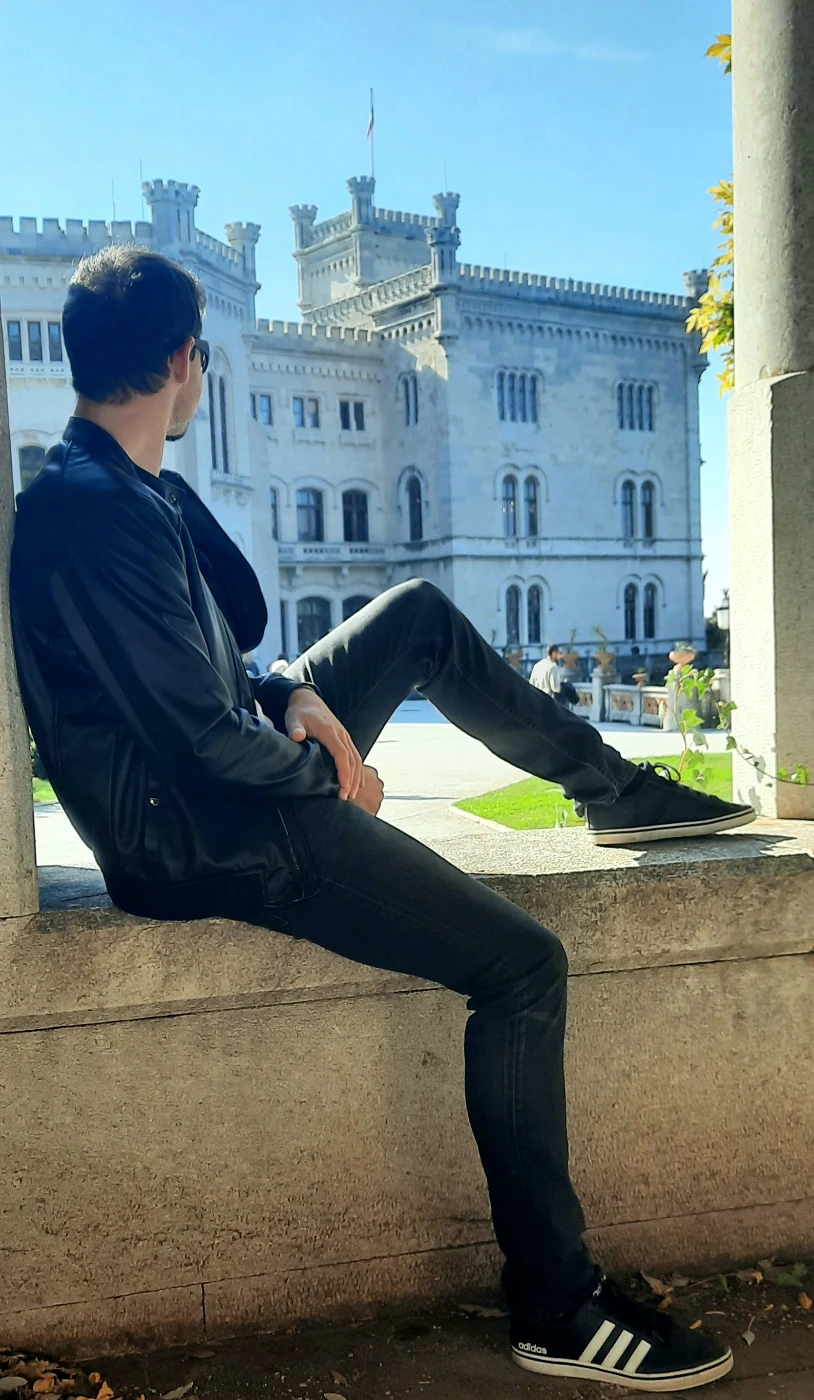
If you stay along the eastern edge of the north, Friuli Venezia Giulia connects Trieste, Sistiana, Duino, the Slovenian border and the memory of the former front lines near the Soča Valley. This part of Italy is good for short seaside stops, cycling stages and understanding a landscape where the Alps, Karst, Adriatic and war history meet very quickly, which is why it naturally connects with the Isonzo Front.
If you experience Italy in a more active way, cycling is also an important part of the story. The Giro d’Italia is not just a sporting event, but almost part of the national sense of landscape: mountain passes, city stage finishes, fans by the roadside and that particular mix of grinding through endless climbs and beautiful views.
Dolomites
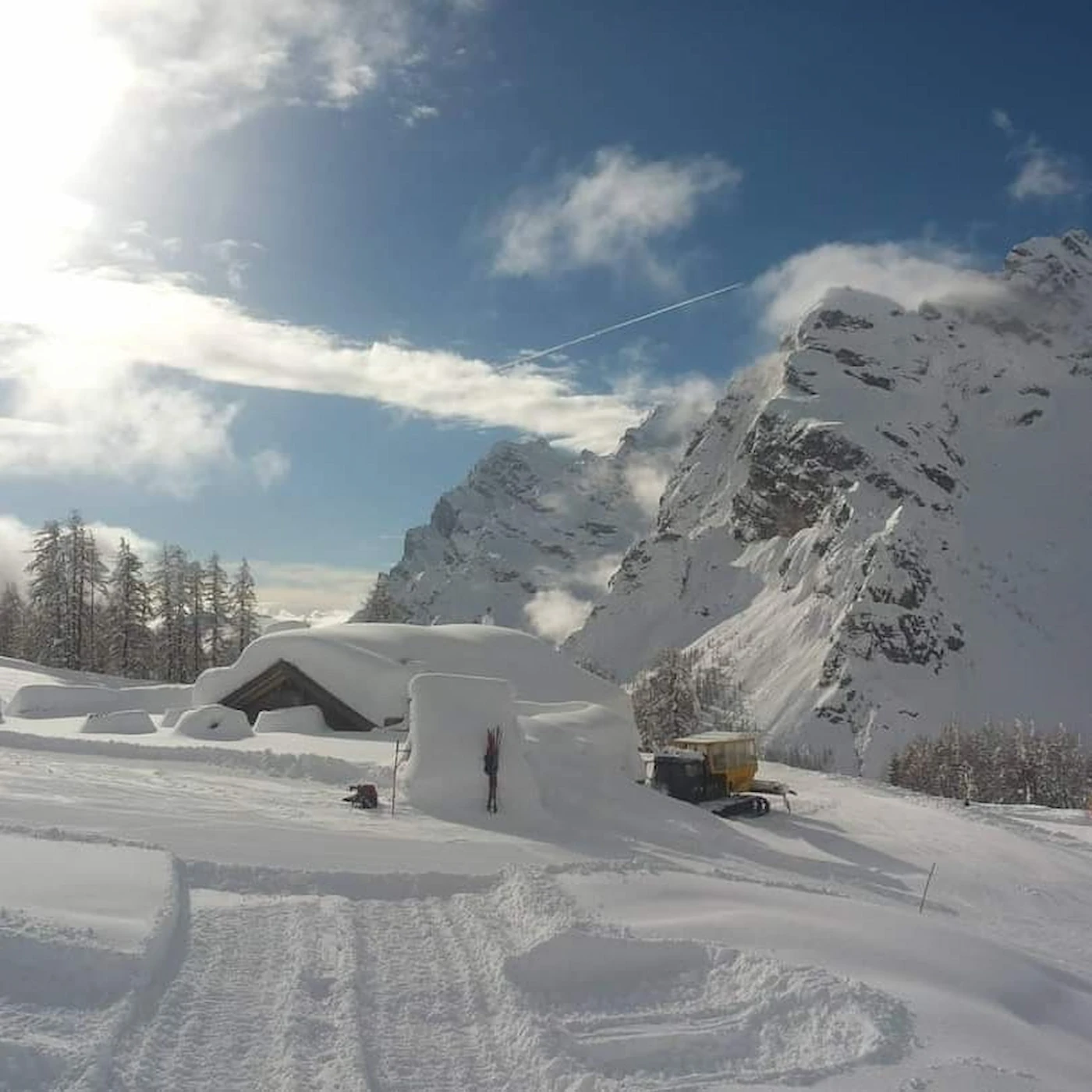
If you are looking for the mountain side of Italy where you get a very good compromise between views, solid infrastructure and real activity options, the Dolomites are a winning combination. The area works both for a winter ski escape and for summer hiking and cycling days.
- Civetta: a very good choice for skiers who want a large and well-organized area without the feeling of the biggest and most crowded Dolomite resorts. The ski area connects Alleghe, Selva di Cadore and Val di Zoldo, belongs to the Dolomiti Superski system and is a strong option for families, recreational skiers and anyone who values views and accessible entry points.
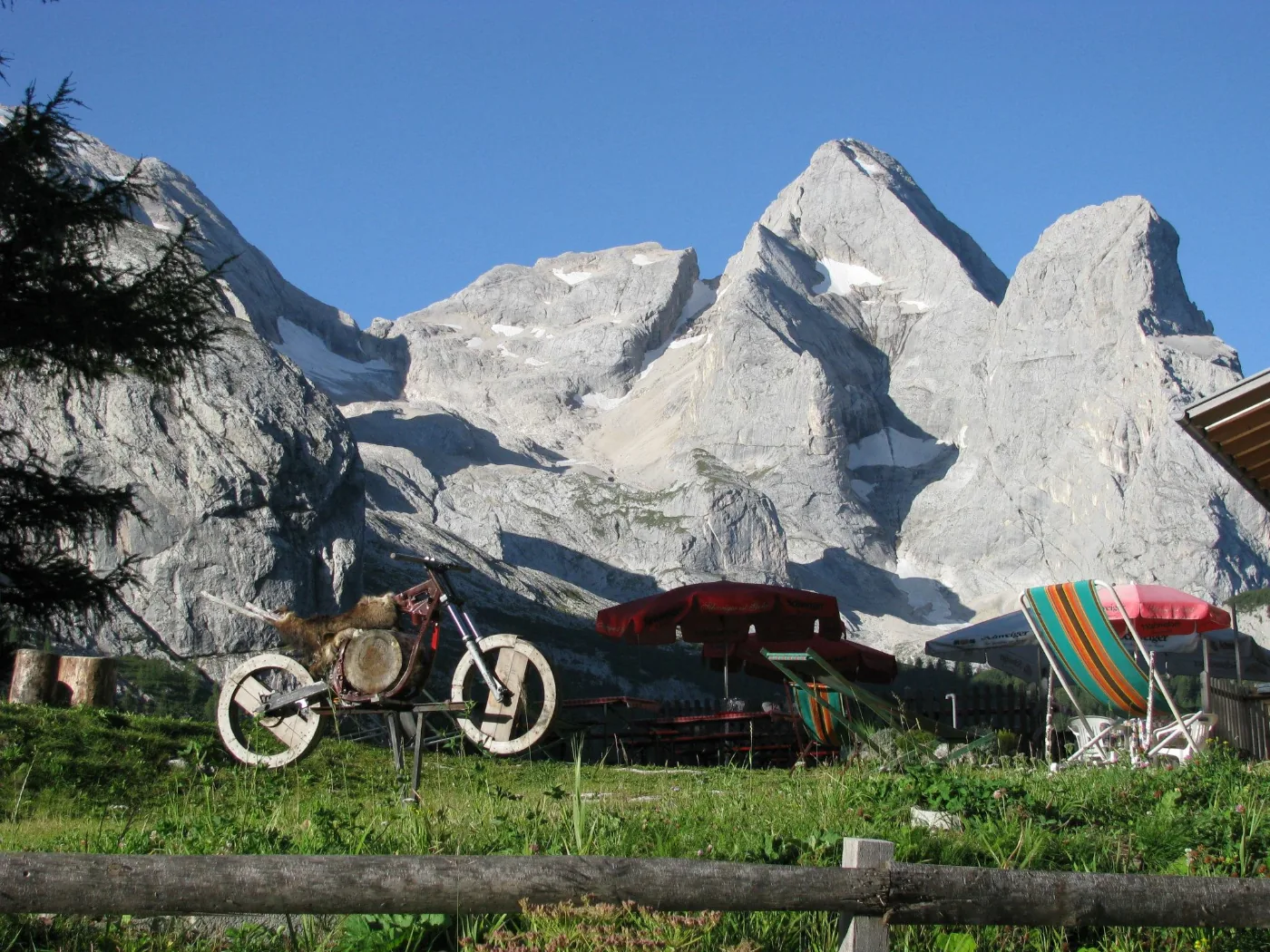
- Marmolada: the highest and one of the most iconic parts of the Dolomites. From Malga Ciapele, you take the cable car up toward Punta Rocca, just a few hundred meters below the summit.
- Mountain passes: one of the most iconic parts of Italy for road cycling, mainly because of classic passes such as Campolongo, Pordoi, Sella and Gardena. A single climb here often means somewhere between 600 and 900 vertical meters, so doing four passes in one day definitely stays in your legs. I rode all four myself. What greets you are steady gradients, excellent road surfaces, legendary switchbacks and views that make the Dolomites one of the most desirable cycling destinations in Europe.
Recommended trips
Short city stops or slower multi-day trips

Rome
Rome is ideal for 2–4 days of intense exploring. For a first visit, the Colosseum, Forum Romanum, Palatine Hill, Pantheon, Trevi Fountain and Piazza Navona are almost essential.
It works best if you divide it by districts: ancient Rome, the historic center, an evening walk across the bridges and at least one moment without a plan.
If you want to add another really strong cultural highlight to the city, make time for the Vatican Museums as well. This museum complex, established in the early 16th century, stretches across more than 12 acres and can easily fill several hours of a visit. One of the biggest highlights is, of course, the Sistine Chapel with Michelangelo’s works.
Booking ahead or joining a guided visit also makes sense. The document mentions a base admission of 20 EUR, while skip-the-line guided tours start at around 40 EUR, making this one of those places where good planning quickly improves the overall experience.

Milan
Milan is less postcard Italy and more Italy of tempo. The city works best through fashion, design, architecture, aperitivo and the fast northern Italian rhythm. Its character is shaped by architecture, fashion, aperitivo and districts such as Brera and Navigli.
This is a city where it is worth focusing on a few very specific highlights. Milan Cathedral is not just “beautiful” but impressive in numbers too: it is decorated with around 3,500 statues, 135 spires and five bronze doors. Castello Sforzesco, a 15th-century castle, also holds Michelangelo’s final sculpture, while Santa Maria delle Grazie is home to Leonardo da Vinci’s Last Supper.
For another layer of the city, you can also include Leonardo’s Horse, one of the largest equestrian sculptures in the world, and then escape to Parco Sempione, Milan’s most famous park. This part of the city is a good reminder that Milan is not only about fashion and flash, but can also offer a very pleasant urban break.

Cinque Terre
Cinque Terre is made up of five villages — Riomaggiore, Manarola, Corniglia, Vernazza and Monterosso al Mare — on the Ligurian coast in the province of La Spezia. The area is part of Cinque Terre National Park and has been on the UNESCO World Heritage list since 1997 as part of the Portovenere, Cinque Terre e le Isole site.
Because of the steep slopes, footpaths and limited car access, the area is most practical to explore on foot and by train. A regional railway line runs between the villages on the Levanto–La Spezia section, making quick movement possible even during a one-day visit.
For a visit, the Cinque Terre Card is very useful and is available in Trekking and Train MS versions. The Train MS version includes unlimited regional train rides between Levanto and La Spezia, plus access to services defined by the park. For adults aged 12 to 69, the 1-day Train MS card costs between €22.00 and €35.00 from 14 March to 1 November 2026, the 2-day card between €36.50 and €61.00, and the 3-day card between €49.00 and €81.00, depending on pricing class A, B or C.

Orvieto
Orvieto is one of the most striking places in Umbria, the neighboring region of the even more famous Tuscany. The town stands on a mighty tuff hill above the Paglia River valley, so even arriving there leaves a strong impression.
The place has more than three thousand years of history and is closely linked to Etruscan heritage, something you can still feel even below the surface of the town. Right beneath the old center lies the famous Orvieto Underground — a network of caves, tunnels, wells and underground spaces carved into the tuff stone.
Among the main highlights are the Duomo di Orvieto, one of the most recognizable cathedrals in central Italy, and Pozzo di San Patrizio, a 16th-century Renaissance well built on the order of Pope Clement VII. Orvieto is therefore not a place you experience through rushing, but through walking its stone streets, taking in the views from the edge of the cliff and feeling that the atmosphere here matters just as much as the sights.
Sistiana
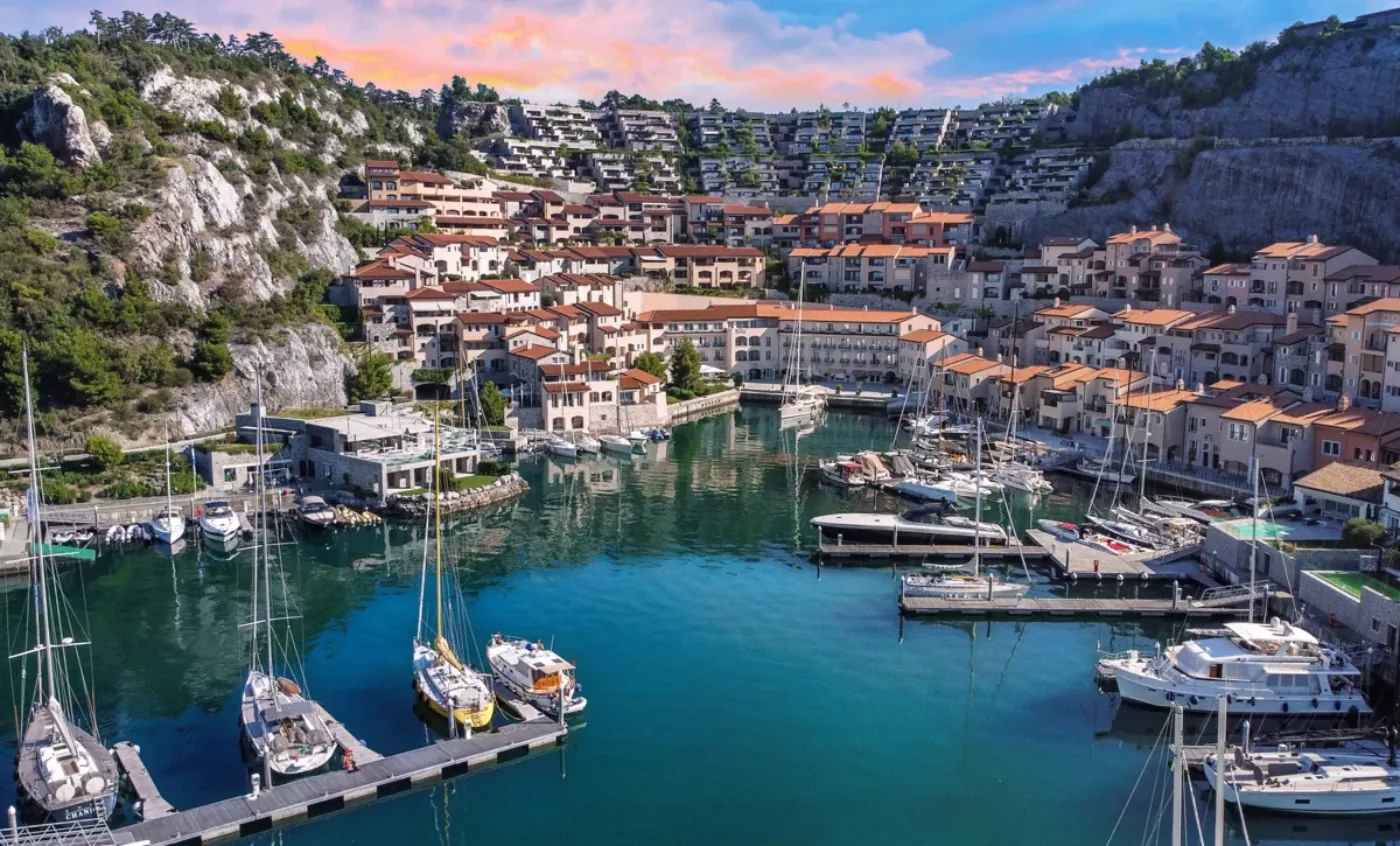
Portopiccolo is a modern seaside settlement arranged inside a former limestone quarry, and the area connects to the Devinske stene nature reserve.
Sistiana is a good stop if you are looking for more than just a marina and a view. From here, the day can quickly expand into a walk, a short escape by the sea or an exploration of the coast between Duino, Trieste and Slovenian Istria.
It is also interesting to me because it connects nicely with one of the cycling stages on the Slovenia page: after the Kanal ob Soči → Camp Sestiana section, the route continues toward Izola the next day. On a cycling tour here, also count on siesta hours — that is exactly why it is smart to have your bottles filled in time and the basics sorted before the hottest part of the day.
Bologna: automotive events
Ideas for a visit:
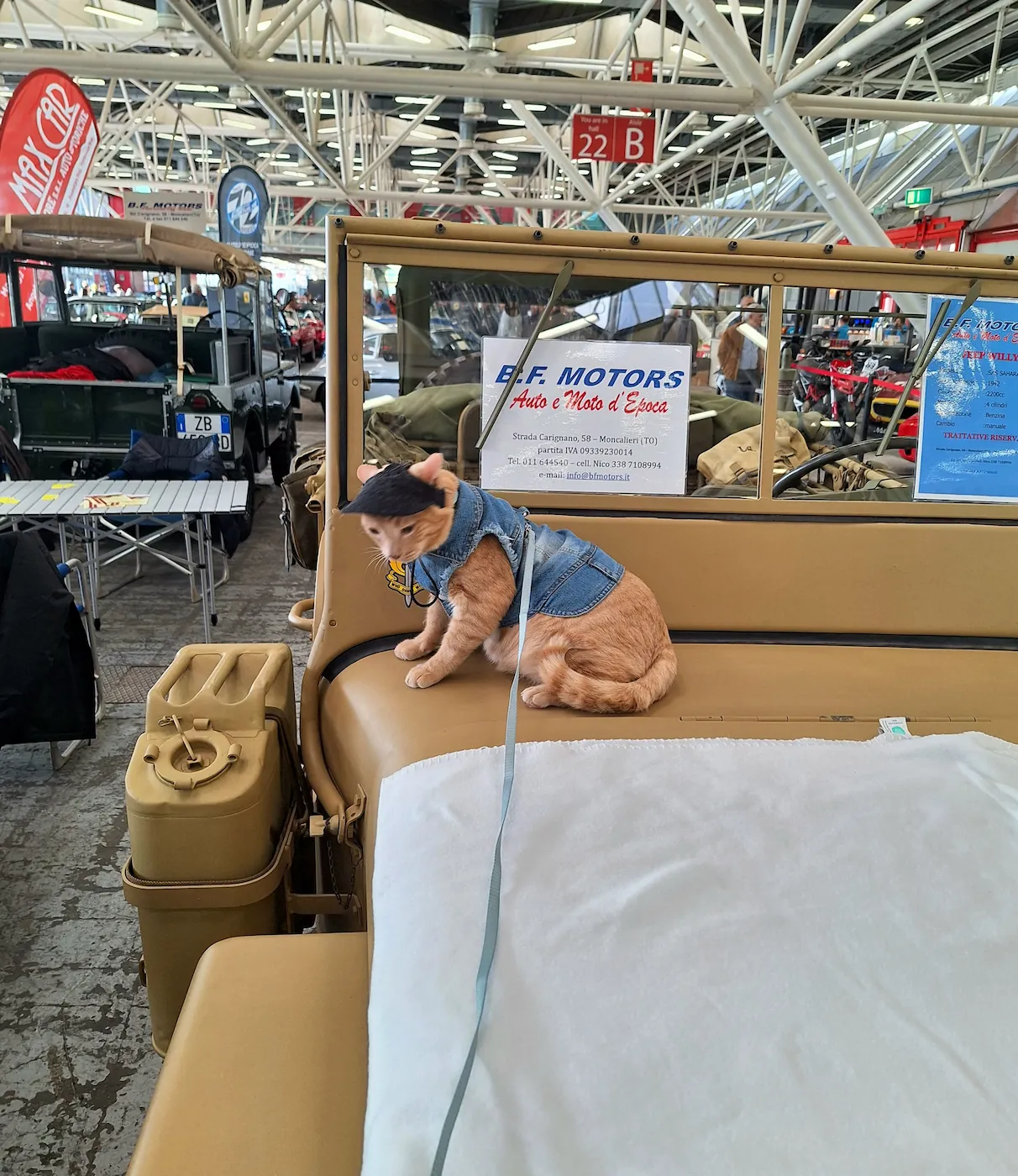
- Auto e Moto d’Epoca: a major fair of classic cars, motorcycles, restorers, parts and automobilia in Bologna.
- Autopromotec: a biennial trade fair focused on automotive aftermarket, service equipment, diagnostics and workshop solutions.
If you are interested in classic vehicles, Auto e Moto d’Epoca is more visual and collector-oriented.
If you are drawn to technology, servicing, equipment and the industrial side of the automotive world, Autopromotec is significantly more professional.
Always check the dates on the official event site, since the calendar changes from edition to edition.
Esse Music
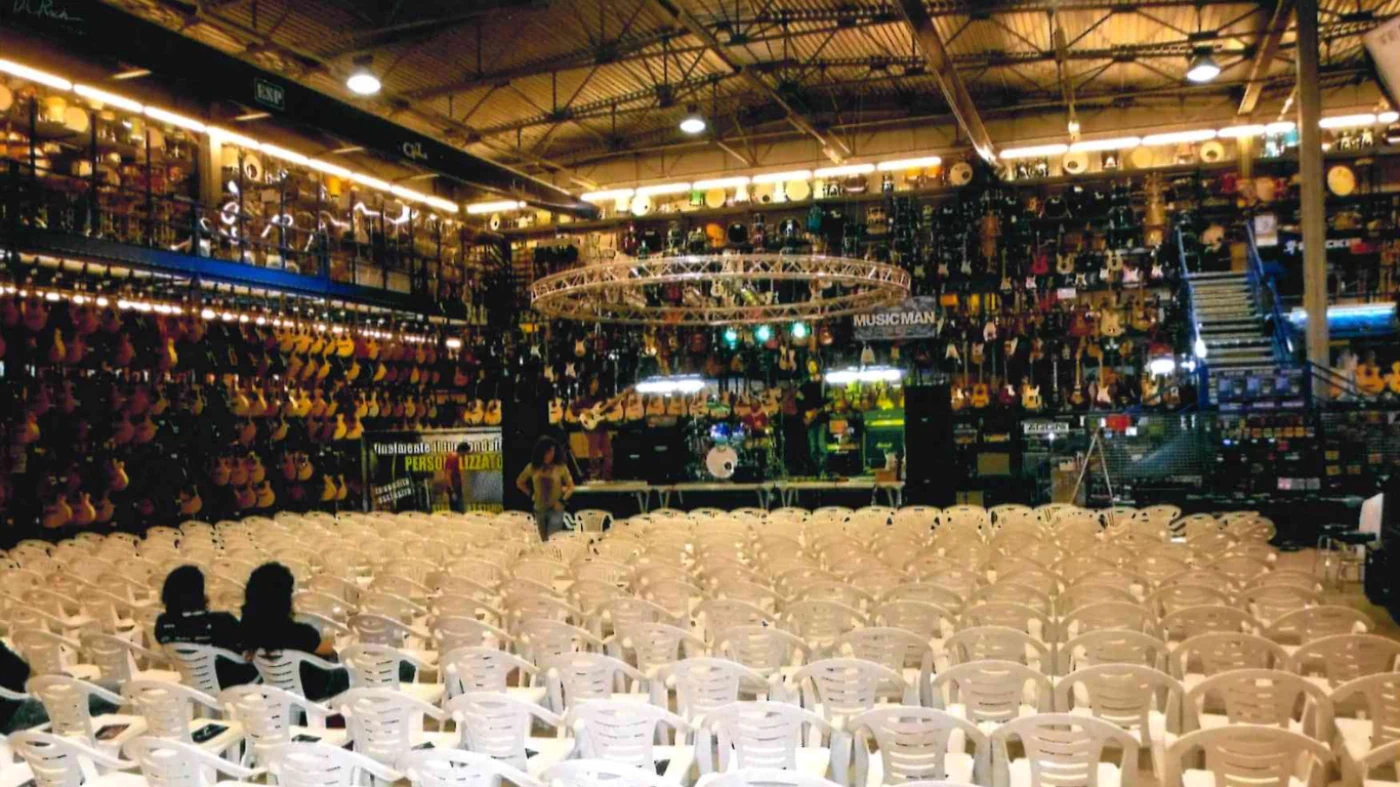
As a musician, I also had my own ritual in Italy: a stop at a store where you never end up with just one quick glance across the shelves. Montebelluna is very convenient because of its location, especially if you are coming back from the Dolomites or combining Veneto with a multi-day trip.
It is not a classic tourist stop, but it is a very good personal stop if music is part of your travel world.
For hikers
The Dolomites win you over quickly, but mountains are not just about views and good photo moments. On the before you go page, you will find a short, clear and very practical overview of what is smart to sort out before a hike — from planning and gear to weather, terrain and getting safely back down.
Before the hike
Val Gardena lists 600 km of hiking trails, while the official guide for Cortina d’Ampezzo mentions more than 400 km of marked paths. Gear, weather, planning, pace and decision-making matter before you head onto a more serious mountain route on one of these trails.
Three route ideas
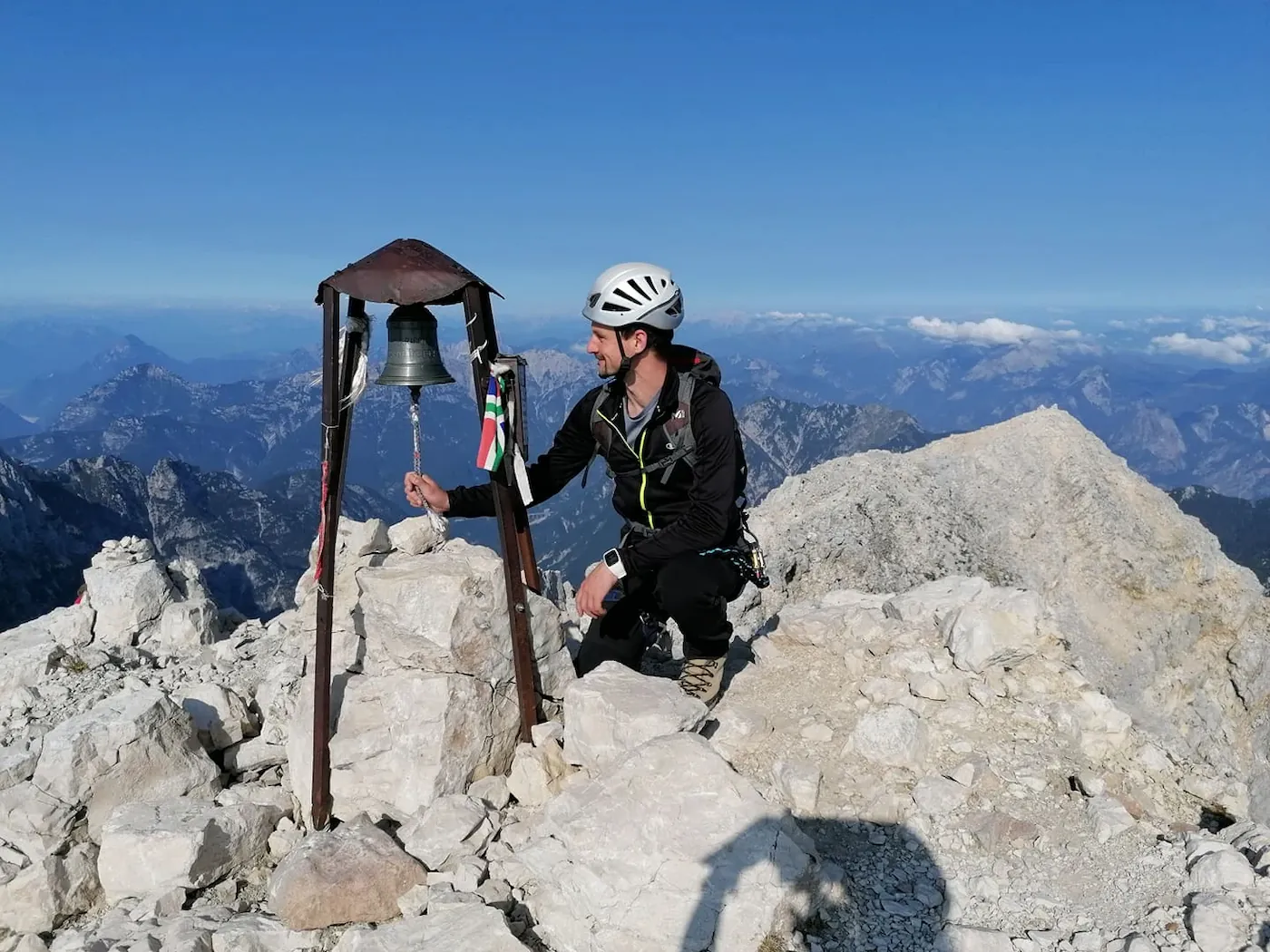
Three specific mountain ideas I have completed in Italy: Monte Paterno, Montaž and Kamniti lovec.
Three route ideas
Three specific mountains I experienced in Italy: one marked by strong history, one more scenic and one true Julian classic.

Cima del Cacciatore (2071 m)
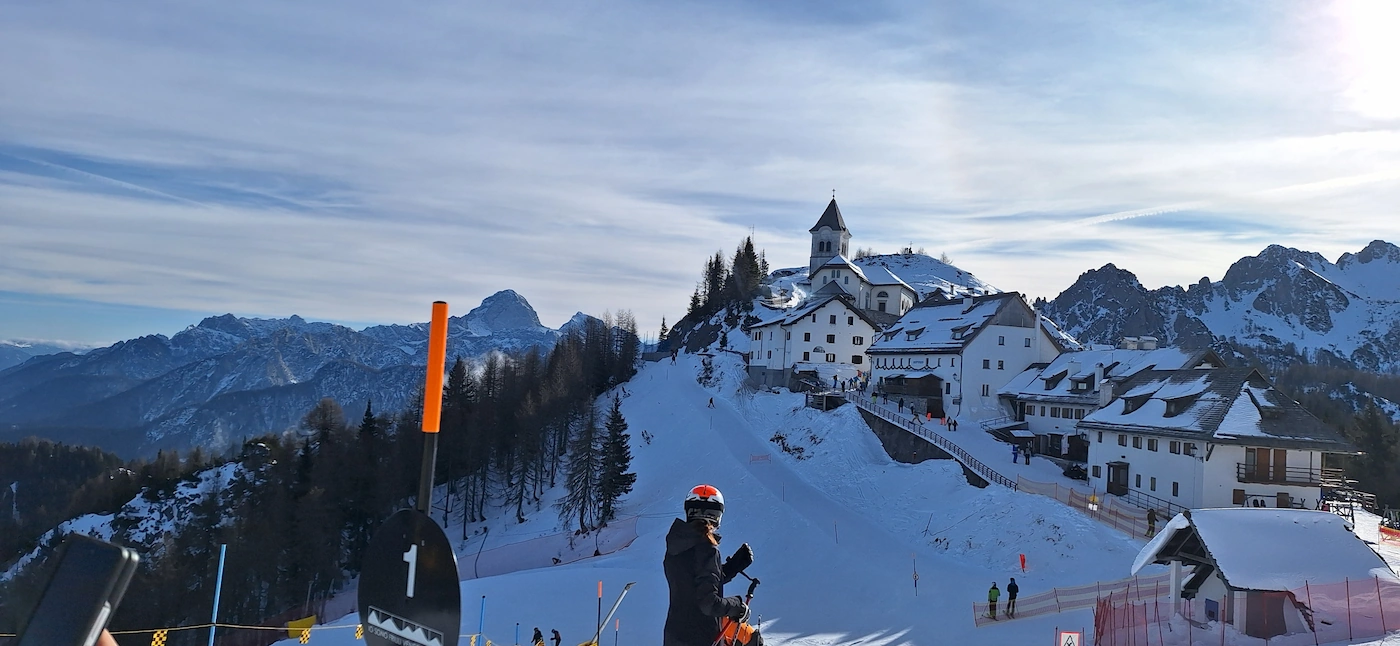
A good choice when you want a relatively short yet very rewarding viewpoint above Monte Lussari. The route is not long like some major Dolomite classics, but the final section still requires more caution than you might expect at first glance.
- Starting point: Monte Lussari (1766 m).
- Summit: Mount Cima del Cacciatore (2071 m).
- Walking time: around 1 h 30 min.
- Elevation gain: around 305 m.
- What stays in memory: quick access to wide-open views of the Julian Alps, Viš and Montasio.

Monte Paterno (2744 m)
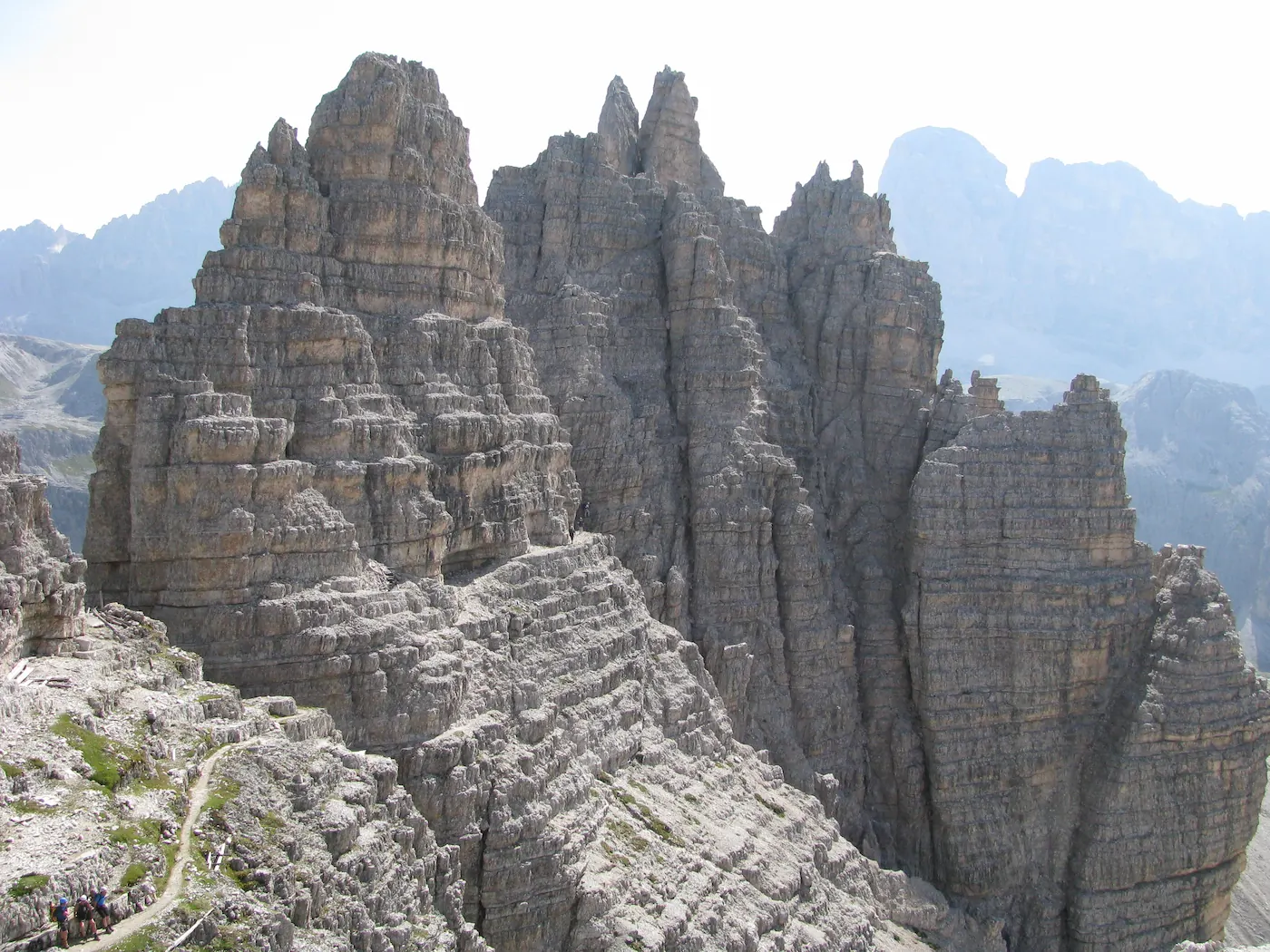
Monte Paterno is not only a scenic route, but also one of those hikes where you feel the history of the place very quickly. Tunnels, exposed terrain and the immediate proximity of Tre Cime create a route that is visually exceptional, but not something to treat too lightly without proper gear.
- Starting point: Rifugio Auronzo (approx. 2330 m).
- Summit: Monte Paterno (2744 m).
- Route time: around 4 h to 4 h 30 min.
- Character of the route: via ferrata / protected route with historical background.
- What stays in memory: the closeness of Tre Cime, military tunnels and very real Dolomite walls.
Jôf di Montasio (2753 m)
The southern approach from Casere Pecol is among the more classic routes, but the path via Pipan Ladder remains a serious high-mountain option where a good plan, a calm head and a steady step matter more than speed.
- Starting point: Casere Pecol (1510 m).
- Summit: Mount Jôf di Montasio (2753 m).
- Walking time: around 3 h 30 min to the summit.
- Elevation gain: around 1243 m.
- What stays in memory: Pipan Ladder, the huge north wall and the feeling of a true Julian classic.
Italy itineraries
Italy works best when you plan it by rhythm, not by checklist.
4 days · One base
For a first or shorter visit to Italy, one base is almost always the smartest move. You do not lose time with check-outs, transfers, parking and new accommodation, and you actually get a feel for the city or region.
- Rome: 3 nights for ancient Rome, the historic center, the Vatican and an evening walk through Trastevere.
- Milan: a good city break for fashion, architecture, aperitivo and a quick jump toward the lakes.
- Venice or Verona: a strong choice for northern Italy, especially if you are coming from Slovenia.
- Dolomites: 3–4 days are enough for a first active escape, but keep the plan flexible because of the weather.
7 days · Classic Italy by train
If you want your first trip to feel like classic Italy, the Rome, Florence and Venice train route works really well. You do not need a car here, because in these cities it usually creates more stress than value.
Before booking trains and accommodation, it is worth checking the practical travel tips too — especially for the pace of the trip, costs and the small decisions that can make a city itinerary feel much smoother.
- Days 1–3: Rome — Colosseum, Roman Forum, Pantheon, Trevi Fountain, Trastevere and the Vatican.
- Days 4–5: Florence — Duomo, Uffizi, Ponte Vecchio and one slower evening in the city.
- Days 6–7: Venice — San Marco, Rialto, canals, vaporetto and enough time to get lost in the streets.
- Rhythm: Rome–Florence takes about 1 h 20 by train, while Florence–Venice takes about 2 h 15.
7–10 days · Northern Italy
Northern Italy is very rewarding if you want to combine cities, mountains, lakes and good logistics. It is one of the easiest parts of Italy for mixing a city-focused trip with the Dolomites or a shorter road trip.
- Possible rhythm: Milan or Verona → Dolomites → Venice or Padua.
- For the mountains: stay at least 3 nights in the Dolomites, because the weather can change the plan quickly.
- By train: Milan, Verona, Padua, Venice and Bologna are well connected.
- By car: renting one starts to make more sense once you head toward the Dolomites, smaller villages, lakes and mountain passes.
10 days · Cities + Cinque Terre or Tuscany
With ten days, you can expand the classic Italian triangle, but not too much. A good add-on is either Cinque Terre or a few slower days in Tuscany.
- Option 1: Rome → Florence → Cinque Terre → Venice.
- Option 2: Rome → Florence → Siena / Val d’Orcia → Bologna or Verona.
- Cinque Terre: keep the car out of the main plan; trains, walking and shorter sections make much more sense.
- Tuscany: a car is useful if you want smaller towns, viewpoints, wine roads and a slower pace.
14 days · Two Italys, not all of Italy
Two weeks are enough for a beautiful trip, but not for all of Italy. It is better to choose two connected stories: the north and Tuscany, Rome and the south, or the Dolomites with the cities of northern Italy.
- North + mountains: Milan → lakes → Verona → Dolomites → Venice.
- Central Italy: Florence → Tuscany → Rome → Naples or Pompeii.
- Active route: Dolomites + Veneto + Bologna or Milan.
- Best frame: 3–4 bases at most, otherwise logistics start eating into the trip.
3 tips
The best Italy itinerary is not the one with the most boxes ticked. It is the one where the cities, transfers and daily rhythm actually work together.
For a broader pre-trip checklist — from costs and documents to reservations, insurance and practical decisions — also check the practical travel tips.
- For 4–7 days, stick to 1–2 bases.
- For cities, choose the train; for the Dolomites, Tuscany and the countryside, consider a car.
- For major sights, plan on booking ahead, and if you drive, always check ZTL zones.
Practical
Documents and entry
Italy is part of the EU and the Schengen Area, so travel is usually straightforward for EU citizens.
- For EU citizens: a valid national ID card or passport.
- For children: every child needs their own travel document.
- For non-EU travelers: before booking, check visa rules, allowed length of stay and passport validity.
Trains between cities
For major cities, the train is often the best choice. Frecciarossa high-speed trains run up to 300 km/h, and on the main routes they are fast enough that a car usually makes little sense.
- Rome–Florence: fastest connections take about 1 h 20.
- Rome–Naples: fastest connections take about 55 minutes.
- Milan–Rome: fastest connections take about 3 hours.
- Milan–Venice: about 2 h 15.
- Rome–Venice: about 3 h 20 to 4 h, depending on the connection.
Public transport in cities
In larger Italian cities, it is worth combining walking with public transport. Rome is big, Milan has a very useful metro system, and Venice runs on a completely different rhythm with its vaporetti.
- Rome: the BIT ticket costs €1.50 and is valid for 100 minutes; the 24-hour ticket costs €8.50.
- Milan: the basic ticket costs €2.20 and is valid for 90 minutes; the day ticket costs €7.60.
- Venice: a 75-minute ticket for water public transport costs €9.50.
- Practical: in historic centers you can do a lot on foot, so choose accommodation by location, not only by price.
Driving, tolls and ZTL
A road trip through Italy can be excellent, but city centers can quickly become stressful. Most motorways are tolled, and historic centers often have ZTL zones where entering without permission can lead to a fine.
- Motorway: the usual speed limit is 130 km/h, unless traffic signs say otherwise.
- Outside built-up areas: often 90 km/h on standard roads and 110 km/h on main extra-urban roads.
- Built-up areas: usually 50 km/h.
- ZTL: be especially careful in Rome, Florence, Bologna, Pisa, Verona and other historic cities.
- Rental car: if you get fined, the rental company may also charge an administrative fee on top of the fine.
Safety
If you are driving in Italy, it is useful to know the concrete fines too. Seat belts are mandatory for the driver and passengers, and using a phone in your hand while driving is heavily penalized.
- Seat belt: the fine ranges from €83 to €332.
- Adult passenger: if not wearing a seat belt, the passenger is responsible for the fine.
- Minor passengers: responsibility falls on the driver or the person required to supervise the minor.
- Phone while driving: using a phone, tablet or similar device in your hand means a fine from €250 to €1,000.
- Additional penalty: phone use can also lead to a temporary driving license suspension from 15 days to 2 months.
- Repeat offense: if repeated within two years, the fine ranges from €350 to €1,400, with a longer temporary suspension.
Insurance
The European Health Insurance Card is a good base, but it is not a replacement for travel insurance. In Italy, use it with public healthcare providers or providers contracted with the public system.
- EHIC: helps with necessary healthcare in the public system.
- It does not cover: private healthcare, trip cancellation, lost luggage or transport back home.
- For the Dolomites: extra insurance makes sense, especially for hiking, cycling and skiing.
Reservations and costs
Italy can vary a lot in price. Big cities, famous sights and scenic viewpoints can push the budget up quickly, while smaller places often bring a calmer rhythm and friendlier prices.
- Book ahead: Colosseum, Vatican Museums, Uffizi, major exhibitions and popular Venice dates.
- Tourist tax: often paid separately at the accommodation; the amount depends on the city and type of stay.
- Venice: for day visitors, check the current rules, dates and exceptions for the access fee.
- Budget: add coffee, snacks, public transport, entrance fees, parking and tolls — together, they build up quickly.
Other useful information
Cards are very useful in Italy, but carrying some cash is still a smart backup for markets, smaller cafés, parking, public toilets or places outside the main tourist routes.
- Currency: euro.
- Payments: card + a little cash is the safest combination.
- Electricity: 230 V, 50 Hz; plug types C, F and L are used.
- Phone: within the EU, roaming usually works like at home, but still check your data limits.
Emergency numbers
Save the emergency numbers before you leave. In Italy, the European emergency number 112 works, and there are also separate numbers for police, firefighters and emergency medical help.
- 112: European emergency number.
- 113: police.
- 115: firefighters.
- 118: emergency medical help and mountain rescue.
Gallery