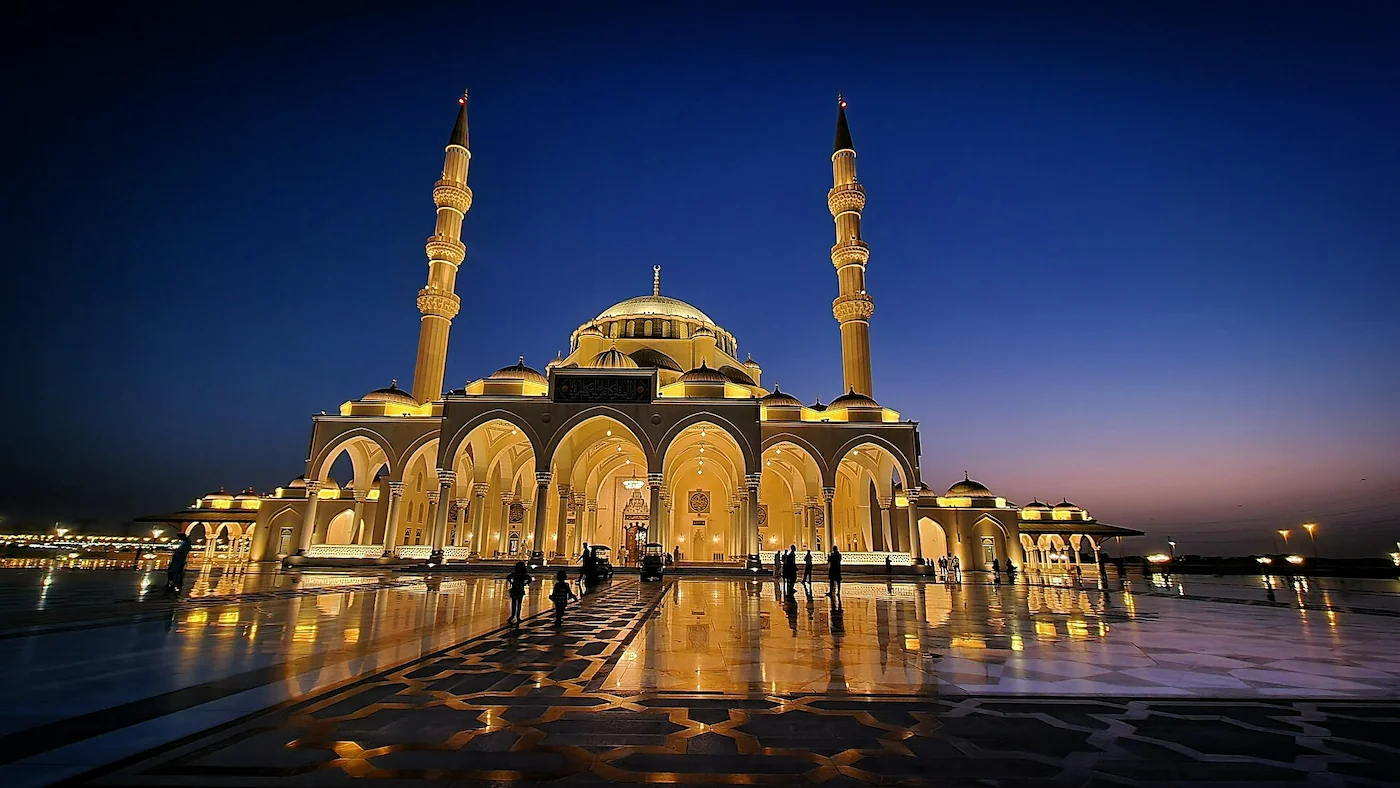
Abu Dhabi
Abu Dhabi quick guide
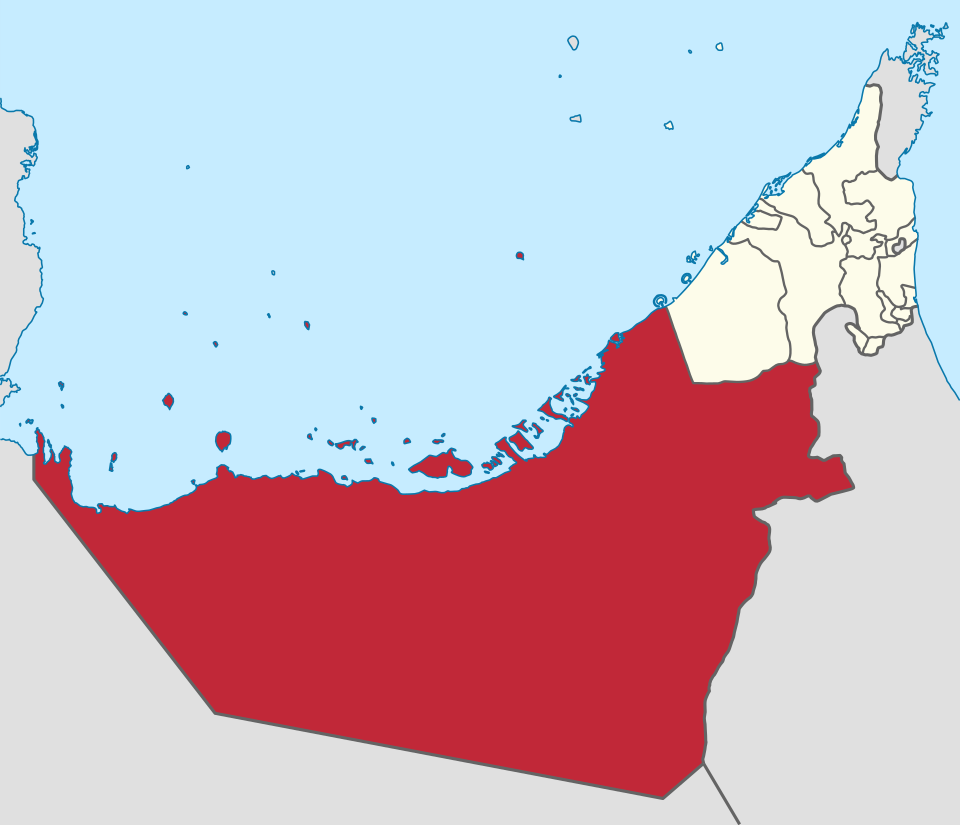
Abu Dhabi is the capital of the United Arab Emirates and, at first glance, it feels calmer, more elegant, and more spacious than Dubai. This Abu Dhabi guide helps you quickly understand when to go, how to get around the city, what to see, and which experiences are actually worth adding to your trip.
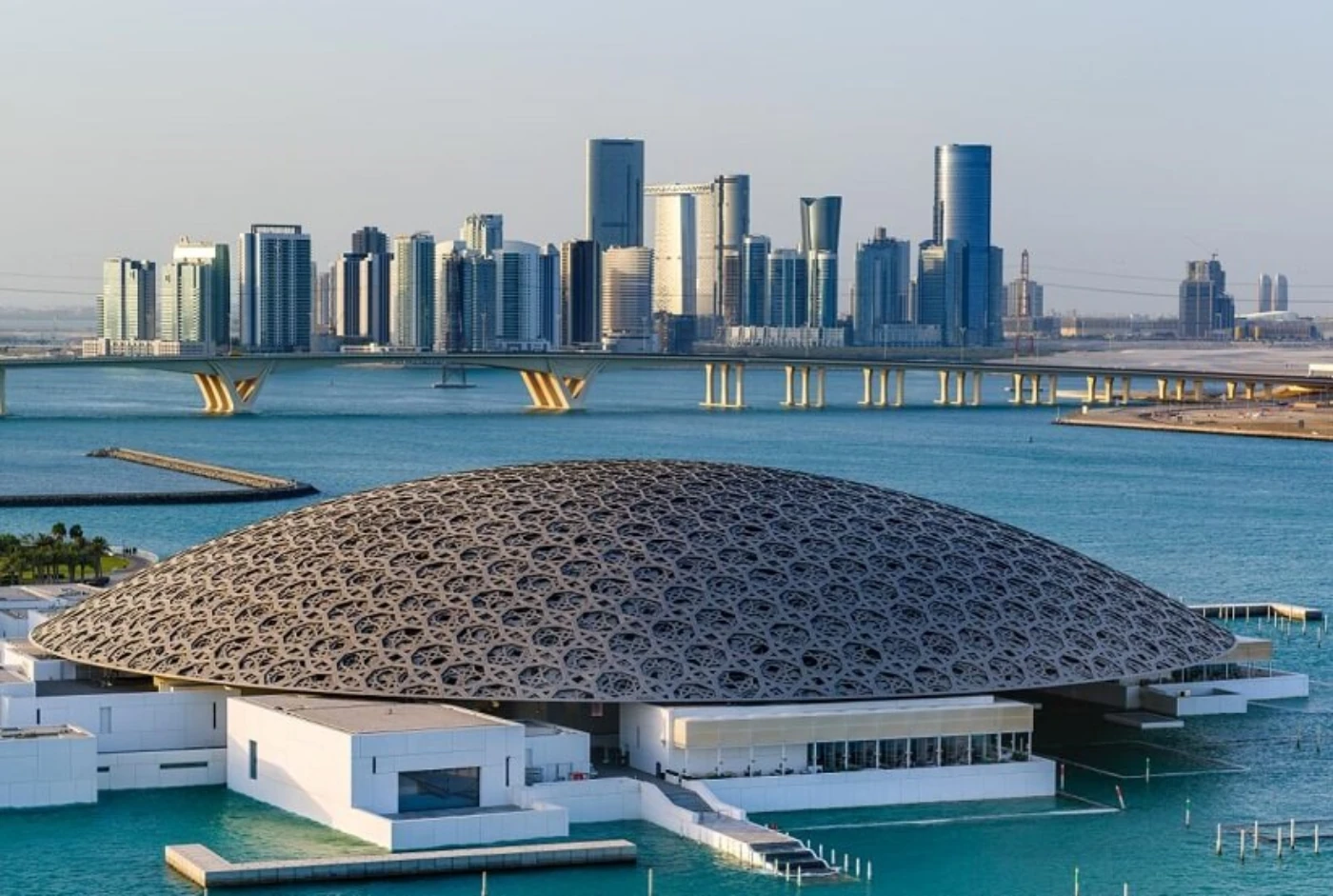
One of the city’s biggest strengths is its cultural side. Sheikh Zayed Grand Mosque is one of Abu Dhabi’s most recognizable landmarks and welcomes visitors of all faiths, while Louvre Abu Dhabi on Saadiyat Island stands out as one of the region’s major cultural projects and presents itself as the first universal museum in the Arab world. Qasr Al Watan adds another strong layer to the visit: a working presidential palace that brings the story of the country closer to visitors.
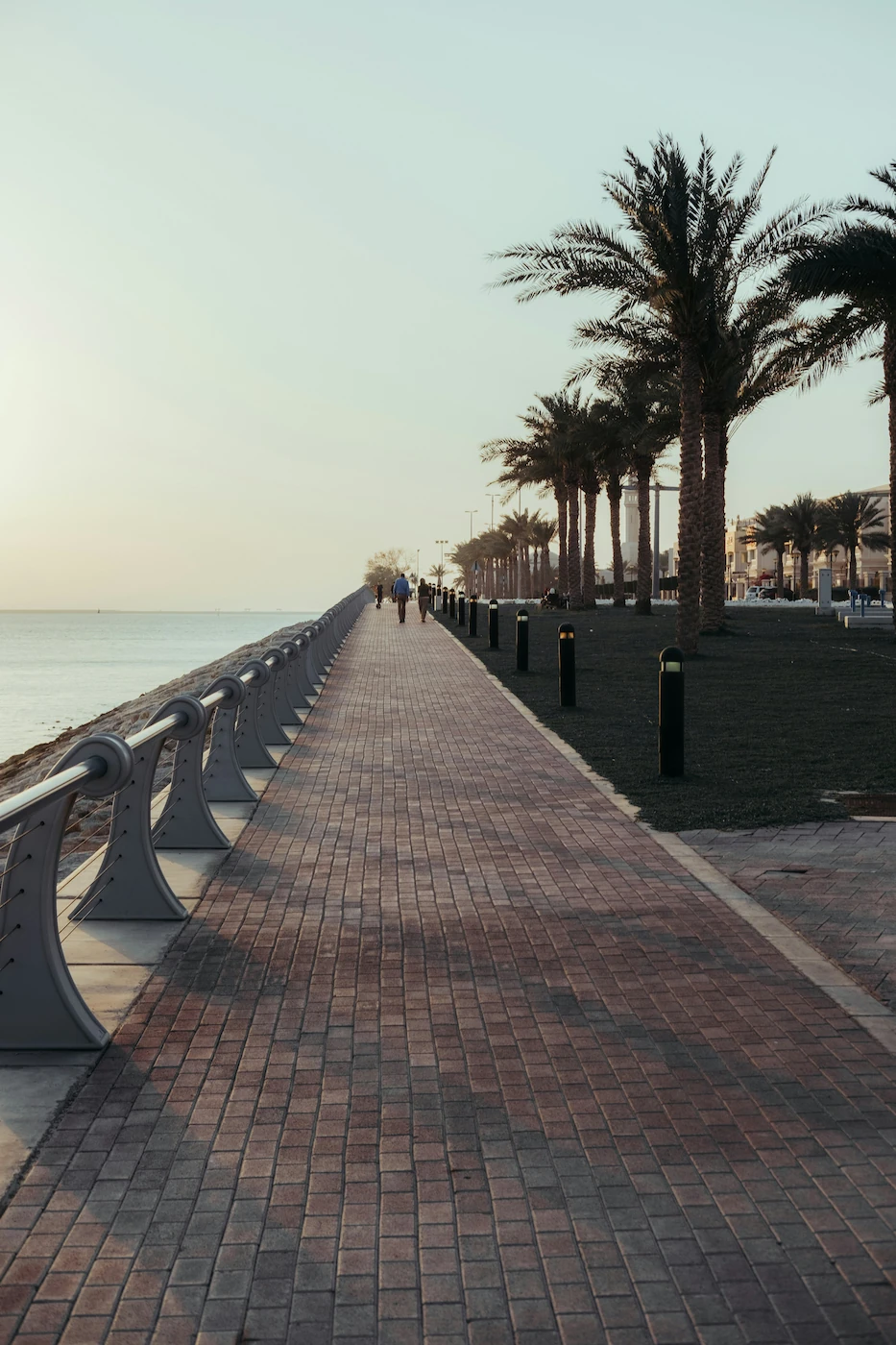
On the other hand, Abu Dhabi is not only for culture lovers. The Corniche offers roughly eight kilometers of beautifully maintained waterfront promenade, with a beach, cycling and walking paths, cafés, and open views of the Arabian Gulf. That makes the city especially enjoyable if you like to explore at a slower, more relaxed pace.
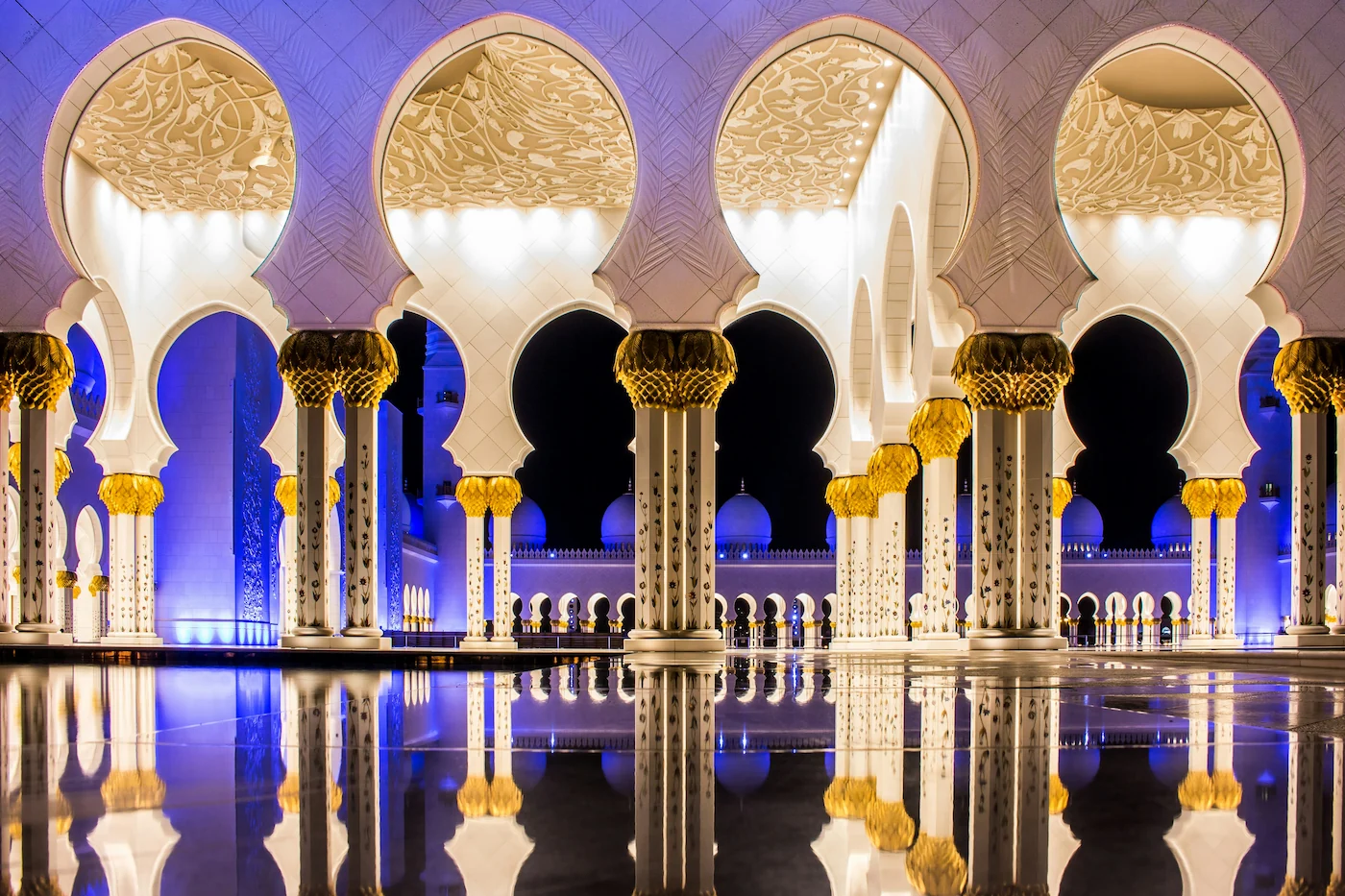
Abu Dhabi guide: when to go, transport, and dress code
When to go
The most pleasant time to visit Abu Dhabi is from October through March, when daytime temperatures usually sit somewhere around 18 to 28 °C. That is when the city feels best for walks, sightseeing, and outdoor trips. The spring shoulder season, especially March and April, can still be very pleasant, while the summer months are much more demanding, with temperatures often getting close to 40 °C or even higher. If you want to experience Abu Dhabi without extreme heat, aim for late fall, winter, or early spring.
Getting around
The easiest way to get around the city is by official taxis or through ride apps like Uber and Careem. Taxis are widely available, and airport service runs 24/7. A ride from the airport into the city usually costs around 70–80 AED, while the official airport starting fare is higher than for regular city rides. If you also plan to explore other emirates or take several day trips, renting a car is often the most practical and flexible choice. Also check discovercars.
Dress code
In Abu Dhabi, it is smart to count on a respectful and modest way of dressing, especially in public spaces, religious sites, and cultural landmarks. For a visit to Sheikh Zayed Grand Mosque, shoulders, arms, and legs need to be covered; clothing should be loose-fitting and non-transparent, and women also need appropriate hair covering or clothing that follows the mosque’s rules. Hotels, resorts, and beaches are usually more relaxed, but outside those areas, a more understated look is the better choice.


Landmark
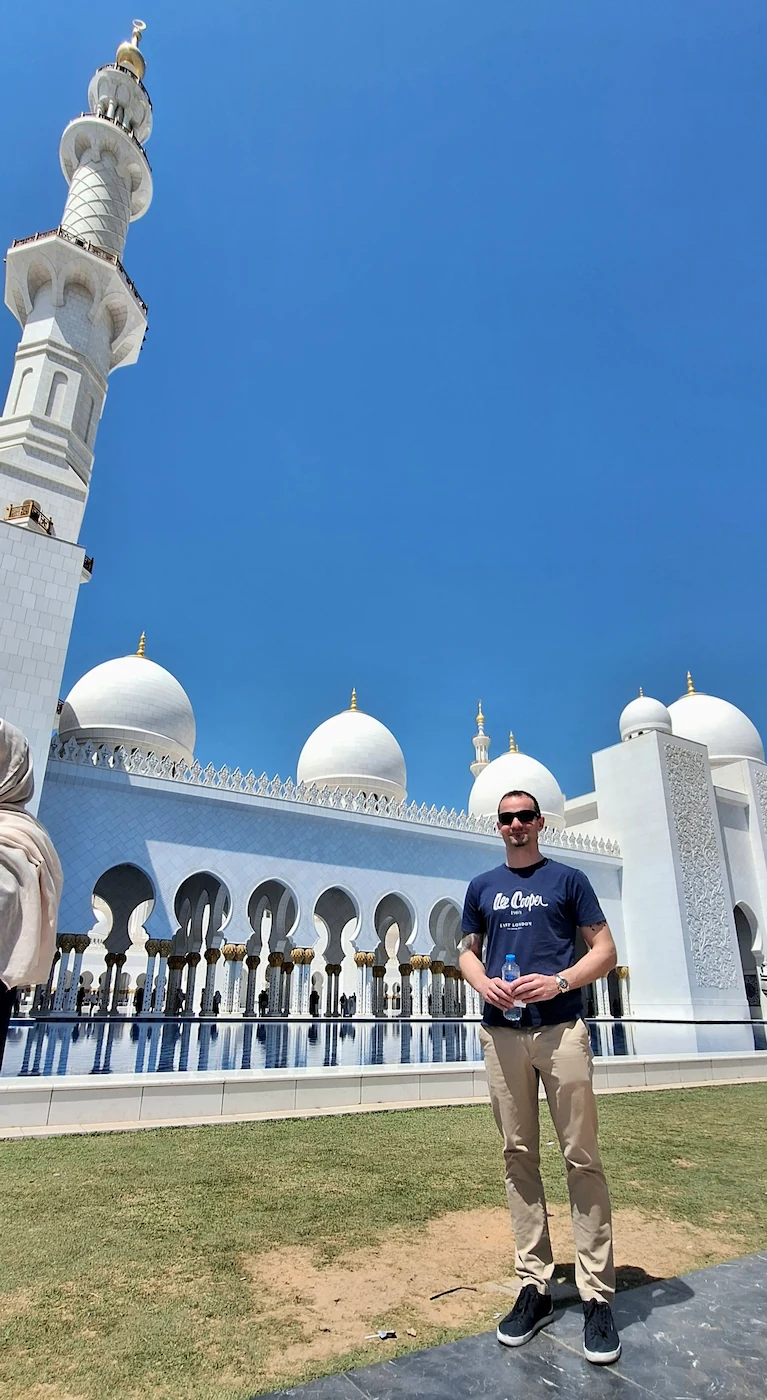
Sheikh Zayed Grand Mosque
Sheikh Zayed Grand Mosque is one of the largest mosques in the world, with space for around 40,000 worshippers. It features 82 domes, more than 1,000 columns, seven crystal chandeliers, and one of the world’s largest hand-knotted carpets. Headline facts you read in every guidebook, but what really stays with you is a feeling of the place itself: white marble, reflective pools, and light that seems to slide across the entire complex.
Mosque is at its best in the late afternoon, when you catch the last clean daylight, the first softer shadows, and then the evening illumination. Free guided tours usually last around 30 to 45 minutes.
If you happen to spot it in the gift shop, I would recommend the book To Be the First. It is one of those books that helps you understand the logic of the Emirates through the story of a man who helped turn a desert city into a global symbol of ambition. It does not read like a dry timeline. It reads like a story of discipline, vision, speed of execution, and an almost relentless drive to get things done to the highest standard — before anyone else.
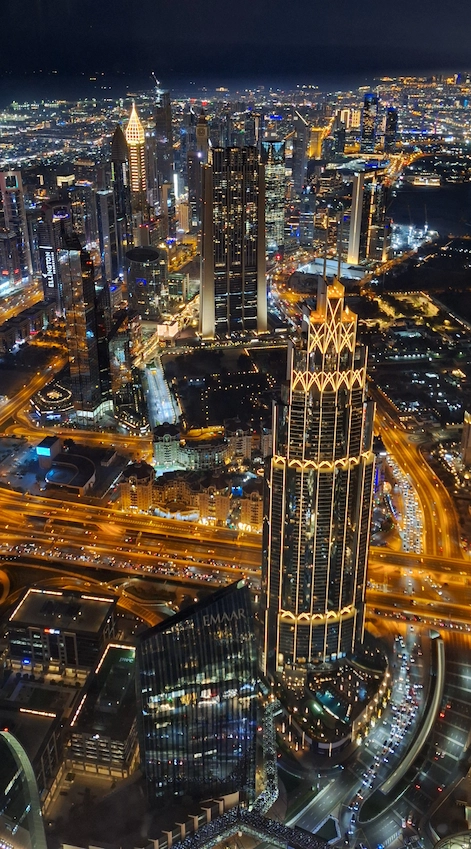
And if Abu Dhabi’s calmer, more elegant rhythm leaves you curious about the more glittering, almost sci-fi Emirates version, make time for Dubai too. Notes from Dubai
Landmark
Abu Dhabi World Trade Center
WTC Abu Dhabi is interesting mainly because it is not just another shopping mall in the city center, but a reinterpretation of the old city souk on one of Abu Dhabi’s oldest sites. It works as a smooth transition between a traditional marketplace and a modern business district, so you quickly feel a different, more urban side of Abu Dhabi here.
One of the more useful and less touristy advantages of WTC is exactly that it feels much calmer than the city’s larger shopping complexes. It is a good midday stop when you want a little shade, a refreshment, or a short walk without fighting your way through overcrowded shops and endless crowds.
If you want to feel the shift from a traditional market to contemporary Abu Dhabi in one place, this is one of the better and more underrated city stops.
Landmark
Yas Marina Formula 1 Circuit
Yas Marina Circuit is Abu Dhabi in high gear. It is the emirate’s main motorsport venue and home of the Formula 1 Grand Prix. But the circuit is not interesting only during race weekend. Throughout the year, you can move from spectator to participant. You can drive karting on the 1-kilometer Yas Kartzone track, go into the garages and onto the winner’s podium, or join TrainYAS and walk, run, or cycle the same F1 track under the lights.
This is a place that works especially well in the evening. The temperatures are friendlier, the light is softer, and the whole of Yas Island starts to feel almost cinematic. If you like the more futuristic and polished side of Abu Dhabi, this is a good choice.
That is why the circuit is not only for hardcore F1 fans. It is also for anyone interested in the energy of the place and the feeling of the UAE in one of its most modern versions.
Landmark
Qasr Al Watan Presidential Palace
Qasr Al Watan is not a palace built only for visitors, but an actual presidential palace that is open to the public. As soon as you step into The Great Hall, the central dome hits you: 37 meters in diameter, rising 60 meters high, giving the space an almost unreal feeling. The colors and geometry feel like a very deliberate presentation of the country.
One of the most interesting parts of the palace is Spirit of Collaboration, a room where bodies such as the Federal Supreme Council, the Arab League, and the Gulf Cooperation Council meet. That means you are not just looking at a beautifully designed hall, but at a place where important decisions are actually made. As a symbol of equality, the room is circular, and above it hangs a large chandelier made from 350,000 crystal elements.
Another very concrete and, for me personally, fascinating part of the visit is the Presidential Banquet. The hall can host up to 300 guests, and more than 100,000 pieces of serving ware are kept there, from crystal to silverware and porcelain. Here, the palace does not show only luxury, but also the precision of protocol and the way the country hosts the world.
Qasr Al Watan is therefore much more than a beautiful palace. It is a place where Abu Dhabi uses architecture, diplomacy, knowledge, and ceremony to say how it sees itself. It works best in the late afternoon, when you can see the interior at a calmer pace and round off the visit with the evening atmosphere.
Landmark
Liwa Desert Safari
Liwa is the point where Abu Dhabi trades its urban polish for something much more primal. It sits on the edge of Empty Quarter, the largest uninterrupted sand desert in the world, so it does not take long before city rhythm falls away and you step into a much rawer landscape.
One of area’s most famous highlights is Tel Moreeb, also known as Moreeb Dune, a dune that rises more than 300 meters high with an incline of roughly 50 degrees. Perfect for testing your sandboarding skills.
If you want to experience something else then Emirates beyond skylines, shopping, and city momentum, Liwa is one of the best contrasts you can add to your bucket list. This is not the kind of outing you squeeze in between two other stops. It is a place that works best when you give it time to do its thing.
Landmark
Ferrari World Theme Park
Ferrari World is Yas Island in its most direct form: engine noise, speed, a giant red roof, and that almost childlike thrill of seeing how far the idea of a theme park can be pushed. It is known as the world’s first Ferrari-branded park, with more than 40 attractions, and it stands out not just for roller coasters but also for rooftop walks, a zip line, and other more experience-driven elements.
Ferrari World is home to Formula Rossa, the roller coaster that, according to official claims, still ranks as the fastest in the world, launching riders to 240 km/h in 4.9 seconds. That alone makes the park iconic enough that many people associate it with Abu Dhabi almost as quickly as the mosque or Yas Marina.
One of the good things about the park is that it does not put all its weight on a single adrenaline hit. If you are traveling as a couple, with friends, or as a family, this is one of those places where everyone can take something different from it: speed, simulators, or simply the fun of being inside such a highly stylized Ferrari universe.
Itineraries
Day 1 – classic Abu Dhabi
- The mosque
- Corniche and lunch
- Qasr Al Watan Palace
Day 2 – culture and architecture
- Louvre Abu Dhabi
- Saadiyat
- Dinner with a view
Day 3 – desert or Yas Island
- Desert safari or Yas attractions
- A more relaxed evening
Day 4 – Dubai / Sharjah / Ajman
- Dubai: major sights and evening atmosphere
- Sharjah: culture and museums
- Ajman: a visit to the national park
Travel snapshots
Three stops that capture the spirit of Abu Dhabi well.