Slovakia
Slovakia
Slovakia at a glance
Slovakia is one of those countries you can easily underestimate, and then it surprises you with its variety. In one trip, you can combine the urban energy of Bratislava, castles above rivers, historic towns, wine hills, the gorges of Slovak Paradise, and the mountain world of the High and Low Tatras.
- Best first choice: Bratislava and the High Tatras.
- For 3–4 days: Bratislava, Devin, Banská Štiavnica, or a short jump towards the mountains.
- For 5–7 days: Bratislava, the Low or High Tatras, Slovak Paradise, and Košice.
- For hikers: High Tatras, Low Tatras, Malá Fatra, and Slovenský raj.
- For history: Devin, Spiš Castle, Levoča, Banská Štiavnica, Bojnice, and Trenčín.
- Best route logic: one city, one mountain area, and one slower historic stop.
Slovakia travel guide
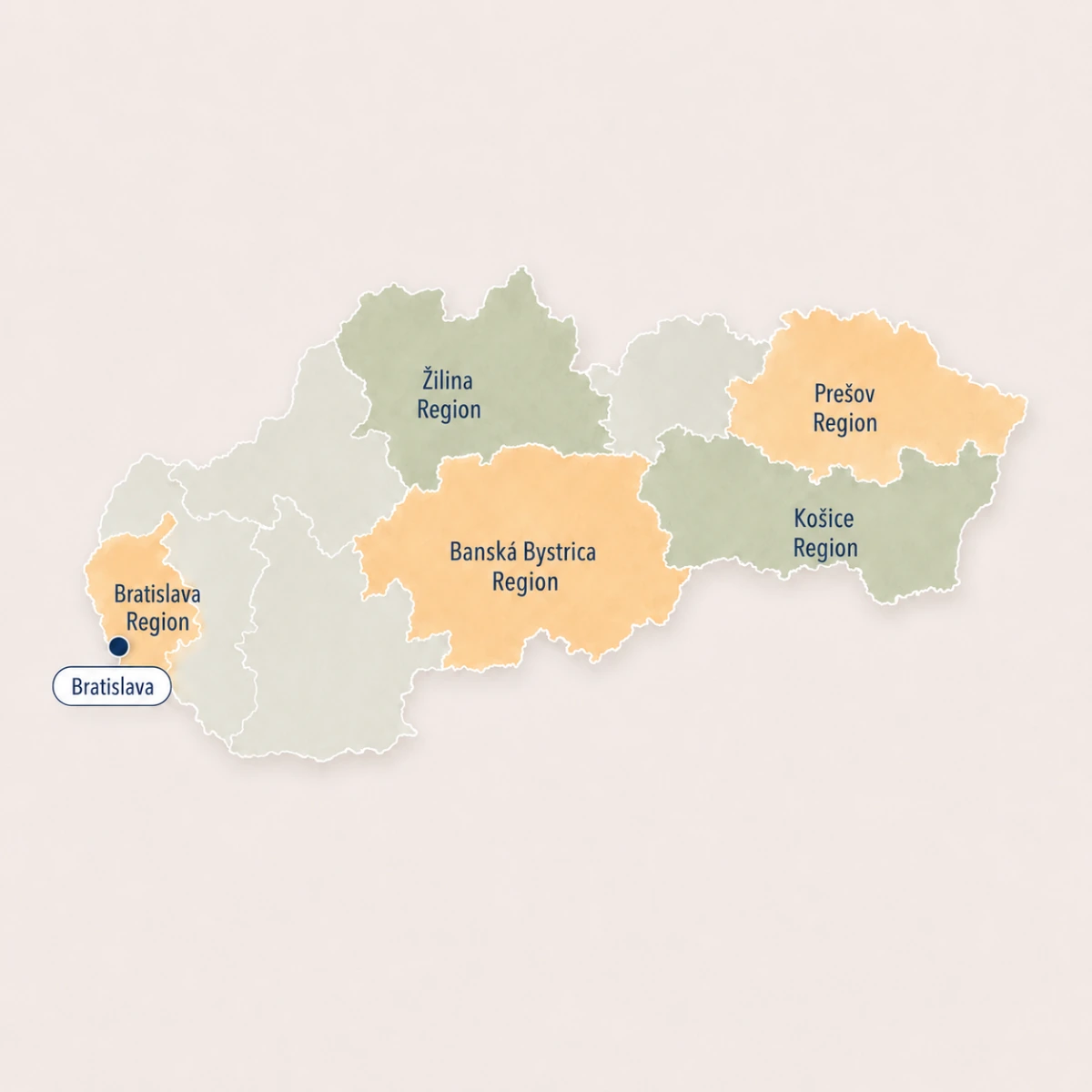
Slovakia is not a country that makes sense only through Bratislava or only through the Tatras. The easiest way to plan it is by the regions marked on the map: the Bratislava Region for the urban introduction, the Žilina Region for the northwest and mountain trips, the Banská Bystrica Region for central Slovakia, historic towns and nature, the Prešov Region for the High Tatras and the northeast, and the Košice Region for the east of the country, Košice and trips towards Slovak Paradise.
For a first visit, the most sensible combination is a city, nature, and one slower historic stop. Bratislava is the best starting point because it is compact enough for one or two days and immediately gives you the Old Town, the castle, the Danube, and a trip towards Devin. From there, you can continue towards the centre of the country, where the Banská Bystrica Region adds a more historic and landscape-focused character.
If you want to experience Slovakia more actively, the strongest parts of the trip are the Žilina and Prešov regions. The first is good for Malá Fatra, valleys, and a northwest mountain rhythm, while the second is the place for the High Tatras, viewpoint trails, lakes, and the most alpine feeling in Slovakia. In the east, the route rounds off nicely in the Košice Region, where Košice works as an urban counterweight to Bratislava, and Slovak Paradise is one of the best active day trips.
Bratislava in one day
Bratislava is the most natural first contact with Slovakia. It is small enough to experience on foot and varied enough to catch the castle, the Old Town, the Danube, the café rhythm, and views towards Austria in a single day.

Old Town
The Old Town is the best place to begin a visit to Bratislava. Start at Michael’s Gate, walk across the main squares, turn into the side streets, and leave yourself some time for coffee or lunch without a strict schedule.
The city is compact enough to explore on foot, so there is no need to overfill the day. It works best as a slow city break: a few sights, a few spontaneous corners, and enough time for the city rhythm.
Danube and UFO
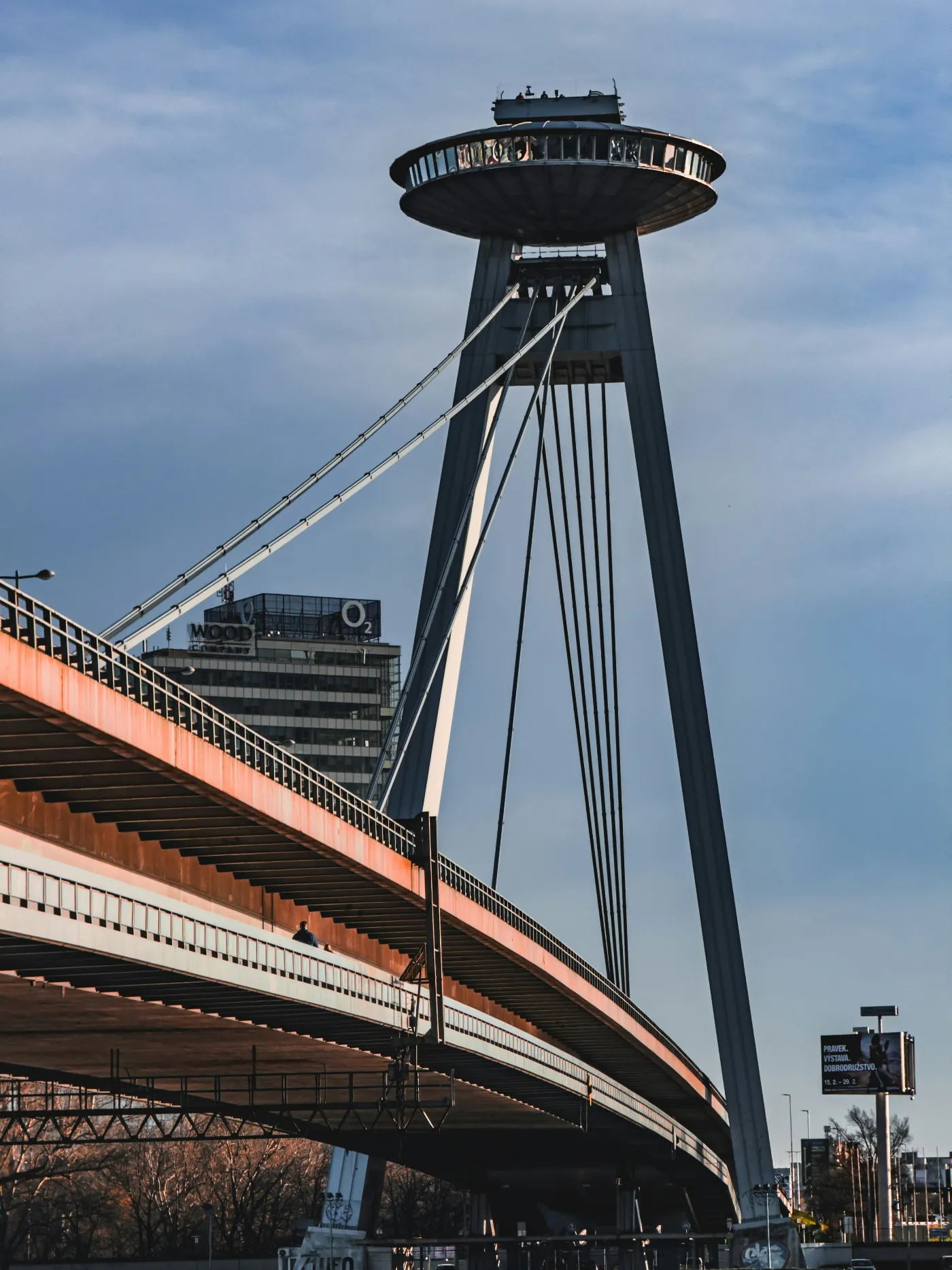
A walk along the Danube gives Bratislava a different feeling. After the Old Town, the city opens towards the river, while the SNP Bridge and the UFO viewpoint create a more modern contrast to the historic centre.
If you have enough time in the day, this is a good way to finish the city loop. First the Old Town and castle, then down towards the Danube, the view of the bridge, and a slower evening part by the river.
Details, food and evening
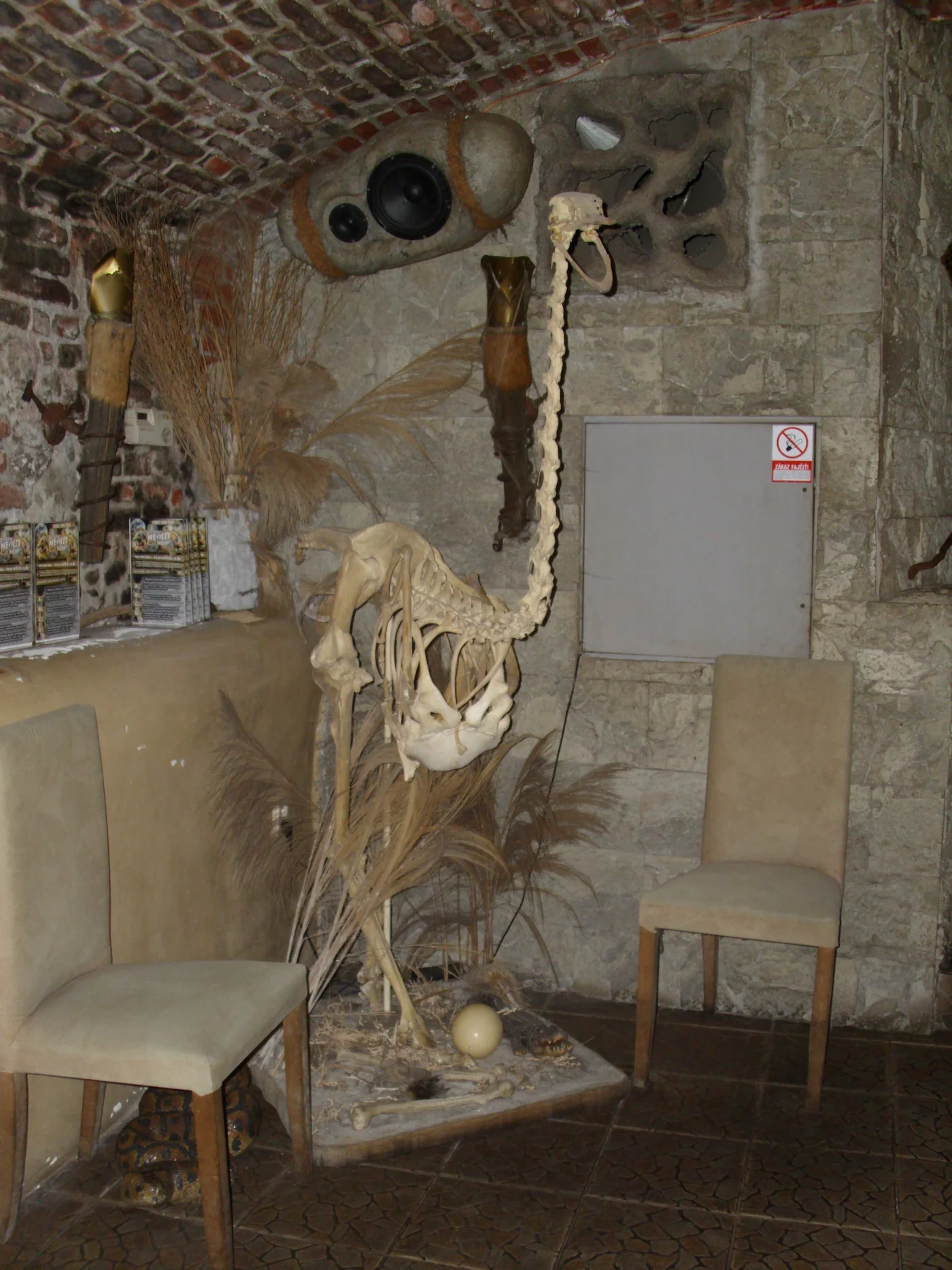
The best part of Bratislava is not only a list of sights, but the slow discovery of streets, cafés, inner courtyards, and the evening rhythm of the city.
For a one-day visit, it is useful not to plan only the classic circle of sights. Leave space for lunch, a local pub, a café, or an evening walk, because that is where the city often feels more relaxed.
Bratislava guide
Bratislava Castle
The castle is the best first viewpoint over the city. From here, you can clearly see the Danube, the Old Town, the newer parts of the city, and Bratislava’s position between Austria, Hungary, and Slovakia.
Old Town
The best way to visit is a slow walk: Michael’s Gate, the main square, side streets, cafés, statues, and passages where the city feels less formal.
Danube
The riverbank is a good way to end the day. If you have more time, connect it with the UFO viewpoint or a shorter walk towards the more modern parts of the city.
Devin
Devin Castle is one of the nicest short trips from Bratislava. It adds historic context, a view over the confluence, and the feeling that you have quickly swapped the city for an open landscape.
Where to go in Slovakia?
Slovakia is not only Bratislava and the Tatras. You get the best feeling for the country when you include at least one historic place, castle, or city in the east alongside the capital.
Bratislava
The best introduction to the country: Old Town, castle, Danube, UFO, cafés, and an easy pace for the first or last day of the trip.
Devin
A short trip from Bratislava for the castle, views, history, and a different feeling of the landscape by the river.
Banská Štiavnica
A historic mining town that nicely fills the slower part of the journey between Bratislava and the mountains.
Košice
The second major urban anchor of the country. Suitable for ending a route in the east or for a different city contrast to Bratislava.
Spiš and Levoča
A historic part of eastern Slovakia, useful for connecting the Tatras, castles, and cultural stops.
Bojnice and Trenčín
Castles, city walks, and useful intermediate stops when you explore Slovakia by car.
Hiking areas
If nature draws you to Slovakia, the Tatras are the biggest magnet. But the country offers more than one mountain name: there are also the Low Tatras, Slovak Paradise, Malá Fatra, Veľká Fatra, valleys, gorges, and scenic ridges.
High Tatras (Vysoké Tatry)
The most alpine part of Slovakia: lakes, viewpoint trails, mountain huts, cable cars, sharper peaks, and starting points such as Štrbské Pleso, Starý Smokovec, and Tatranská Lomnica.
Low Tatras (Nízke Tatry)
Longer ridges, wider views, and a very useful mountain area for active days. Chopok and the surrounding area are a good choice when you want more space and less city rhythm.
Slovak Paradise (Slovenský raj)
Gorges, ladders, footbridges, water, and a more playful hiking character. An excellent choice for active trips where the route is not just walking, but an experience.
Malá and Veľká Fatra
Scenic grassy ridges, forests, passes, and a calmer mountain feeling for those who want to expand the trip beyond the best-known Tatras.
High and Low Tatras
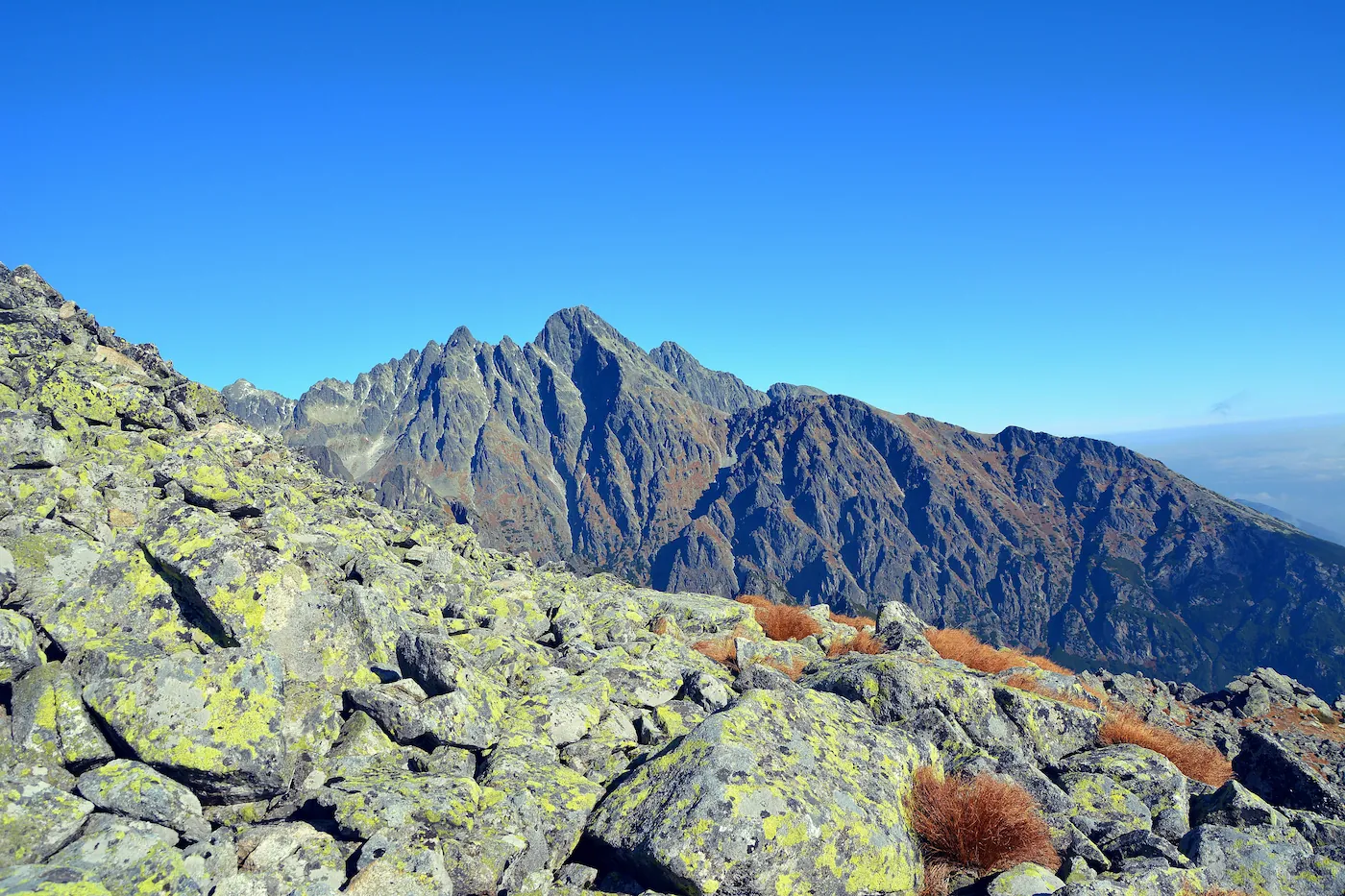
The Tatras are the strongest natural reason to visit Slovakia. The High Tatras are more dramatic, compact, and alpine. The Low Tatras are broader, more ridge-like, and excellent for longer active days. It is best not to squeeze them into the same day, but to choose one area and give it enough space.
- High Tatras: Štrbské Pleso, Popradské Pleso, Hrebienok, Tatranská Lomnica.
- Low Tatras: Chopok, Demänovská Valley, scenic ridges, and caves.
- Best approach: check the weather, choose a realistic route, and do not chase too many points in one day.
- For a first visit: one base, one main hike, and one backup plan for bad weather.
Active exploring
Slovak Paradise and Fatra
Slovak Paradise
Slovak Paradise is the best area for everyone who likes the route to be more than just walking on a trail. Gorges, ladders, wooden passages, and water create a more adventurous character. When planning, check route openings, direction of travel, and conditions after rain.
- Good for an active day trip.
- Expect a slower pace because of ladders and gorges.
- Wear shoes that grip well on wet surfaces.
Malá Fatra
Malá Fatra is an excellent choice if you want views, ridges, and a hiking feel without necessarily connecting the trip to the best-known Tatra towns. It works well as a standalone mountain weekend or as an addition to a road trip.
- Terchová and the surrounding area are good starting points.
- Jánošíkove diery is a photogenic and popular natural stop.
- The ridges require respect for the weather and a realistic pace.
Veľká Fatra
Veľká Fatra is more stretched out, calmer, and suitable for those looking for views, longer hiking days, and less city rhythm. It works best when you do not treat it only as a quick stop.
- Suitable for a calmer mountain part of the trip.
- It is good to plan it with a weather buffer.
- It works best with a car and a flexible schedule.
Itineraries
2 days · Bratislava and Devin
If you only have a short break for Slovakia, stay with Bratislava and Devin.
- Day 1: Bratislava — the old town, Michael’s Gate, the main square, Bratislava Castle, down towards the Danube and an evening by the river.
- Day 2: Devin — the castle, the view over the confluence, a walk and a return to Bratislava for lunch or dinner.
- Base: Bratislava, preferably close to the old town or a good tram connection.
- Transport: you do not need a car in the city; for Devin, check the bus or boat.
- Good for: a first visit or a weekend.
3–4 days · Bratislava and central Slovakia
With three or four days, Slovakia starts opening up beyond the capital.
- Day 1: Bratislava — the old town, the castle, the Danube, UFO and an evening in one of the local places or pubs.
- Day 2: Devin or Trenčín, depending on whether you want a shorter trip or a castle stop.
- Day 3: Banská Štiavnica as a slower historical day among the hills.
- Day 4: Bojnice and return towards Bratislava.
- Banská Štiavnica: a good choice if you want history, a mining story and less city pace.
- Bojnice: a more postcard-like castle choice, especially if you travel by car.
- Tip: with 3–4 days, do not add the east of the country as well, because the trip quickly becomes only driving.
4–5 days · Bratislava and the Tatras
This is the most useful first plan if you want to experience Slovakia as a combination of city and nature.
- Day 1: Bratislava — the old town, the castle, the Danube and the evening city rhythm.
- Day 2: transfer towards the mountains, ideally with an in-between stop in Banská Štiavnica or at a castle.
- Days 3–4: the High or Low Tatras — one main hike, one easier trail.
- Day 5: a slow return with one historical stop.
- High Tatras: steeper and more alpine.
- Low Tatras: wider, more ridge-like and good for longer active days.
5–7 days · Trip across the country
In a week, you already get to know Slovakia quite well.
- Day 1: Bratislava — the old town, the castle and a trip along the Danube.
- Day 2: Devin, Trenčín or Bojnice as a castle and historical stop.
- Day 3: Banská Štiavnica or transfer towards the mountains.
- Days 4–5: the High or Low Tatras with one main hike and one backup plan.
- Day 6: Slovak Paradise, Spiš Castle or Levoča.
- Day 7: Košice or a slower return, depending on the direction of the trip.
- By car: it works best, because the natural and historical points are more spread out.
- By train: choose fewer bases instead of too many in-between stops.
Active weekend · Tatras, Slovak Paradise or Fatra
If you are going to Slovakia mainly for nature.
- Day 1: a short walk and choosing the hike.
- Day 2: the main hike — the High Tatras, Low Tatras, Slovak Paradise or Malá Fatra.
- Day 3: a shorter trail with a lake, viewpoint or town.
- High Tatras: the most alpine feeling and beautiful views.
- Slovak Paradise: gorges, ladders and bridges for a more playful hiking character.
- Malá Fatra: scenic ridges, Terchová and a calmer mountain rhythm.
Cities, castles and history
If you are more interested in cities, castles and history than mountains, you can build Slovakia into a cultural and historical loop. The advantage of this kind of plan is that it is less weather-dependent and works better across the seasons.
- Start in Bratislava: the old town, the castle, the Danube and Devin.
- Add the centre of the country: Trenčín, Bojnice or Banská Štiavnica.
- Move towards the east: Spiš Castle, Levoča and Košice.
- For a first cultural plan: Bratislava, Devin and Banská Štiavnica.
- For a longer trip: add Spiš, Levoča and Košice.
For hikers
Because the Tatras, Fatra, and the gorges of Slovak Paradise can quickly change the character of a route, planning is key: weather windows, layering, basic safety equipment, navigation, and a realistic pace assessment. In Slovakia, it is especially important to have a backup plan for the day when the weather does not cooperate.
- How to choose a route based on fitness, experience, and season.
- Why in the mountains you should not look only at kilometres, but also elevation, terrain, and exposure.
- What to pack for the Tatras, gorges, and changeable weather.
- When it is better to choose a shorter trip, lake, valley, or town instead of a summit.
Practical
Documents
Slovakia is part of the European Union and the Schengen Area. For Slovenian citizens, travel is usually straightforward, but you should still keep a valid identity card or passport with you.
- For Slovenian citizens: a valid identity card or passport.
- For children: every child needs their own identity document.
- Schengen: regular border checks are usually not in place, but temporary checks can happen.
- For non-EU travellers: check visa requirements, permitted length of stay and document validity before departure.
- Trip: keep your document within reach, especially if you combine the trip with Austria, Czechia, Poland or Hungary.
Getting between places
Bratislava is easiest to explore on foot and by public transport. For wider Slovakia, the choice depends on the plan: the train works well between larger cities, while a car is often the most practical option for mountains, castles, valleys and smaller places.
- Bratislava: walking, trams and buses are enough for a first visit.
- Train: useful for larger cities and longer moves without a car.
- Bus: important for the final sections to smaller places and mountain trailheads.
- Car: the most practical option for castles, Slovak Paradise, the Fatras and more scattered stops.
- Plan B: check the timetable for the last daily connections.
Car and e-vignette
Slovakia uses an electronic vignette for certain motorways and expressways. If you travel by car, arrange it before using a paid section and check the details again after purchase.
- E-vignette: it is linked to the vehicle registration number, country of registration and validity period.
- Purchase: use the official eZnamka website or verified sales points.
- Check: after purchase, check the registration number, country and validity dates.
- Bratislava: a car in the centre is not an advantage; it mostly becomes a parking question.
- Road trip: for the Tatras, Slovak Paradise, Fatra, Bojnice and smaller places, a car is very useful.
Insurance
For Slovakia, have your European Health Insurance Card arranged, and add travel insurance if needed. The European card is useful for urgent or medically necessary care in the public system, but it does not cover all travel complications.
- European card: arrange it before departure if you do not have it or if it has expired.
- Additional insurance: sensible for assistance, trip cancellation, luggage and possible transport home.
- Mountains: if you are planning hikes, check coverage for mountaineering, injuries and rescue.
- Gorges: for Slovak Paradise and similar trails, check whether your insurance covers active trips.
- Offline copies: save your policy number, assistance contact and basic documents.
Payments and costs
Slovakia uses the euro, so conversion is simple. Cards are very useful in cities, but in smaller places, at car parks, huts, local entrance fees or mountain trailheads, keep some cash with you.
- Currency: euro.
- Cards: they work well in Bratislava, Košice, hotels, larger places and at most tourist points.
- Cash: useful for parking, smaller places, huts, toilets, entrance fees or local transport.
- Road trip: add a buffer for vignette, fuel, parking, cable cars, entrance fees and changes of plan.
- Mountains: keep a few smaller notes, because a card is not always the most reliable plan.
Food
In cities, cafés, pubs and simple local places are useful; in mountain areas, more filling dishes work well after walking.
- Bryndzové halušky: the best-known Slovak dish, potato dumplings with sheep cheese and often bacon.
- Soups and stews: a good choice on mountain trips and in colder weather.
- Beer and pubs: in Bratislava, Košice and smaller towns, take time for a local place or pub.
- Cafés: so a city day does not become only a race between sights.
Emergency numbers
Save emergency numbers before departure, together with your accommodation contact, insurance contact and a copy of your documents. On hiking trips, keep the information available offline.
- 112: single European emergency number.
- 150: fire and rescue.
- 155: emergency medical service.
- 158: police.
Food
Slovak cuisine feels most at home when you treat it as part of the trip, not as a checklist of must-try dishes. In cities, cafés, pubs, and simple local places are useful; in mountain areas, more filling dishes work well after a hike.
Bryndzové halušky
The best-known Slovak dish: potato dumplings with sheep cheese, often with bacon. It works best after an active day.
Soups and stews
On mountain trips, simple soups and warm dishes are often a better choice than a big culinary experiment.
Beer and local places
In Bratislava, Košice, and smaller towns, take time for a local pub or bar. It is often the easiest way to feel the city more slowly.
Sweet stop
For a less structured day, cafés, pastries, markets, and local breakfasts work better than strictly chasing sights.