England
England
London guide
London as a base for living and creating

England opened up to me through London – a metropolis that’s ideal for creating, all kinds of events and easy day trips to nearby landmarks. I lived for a month in Shoreditch, one of the city’s most creative areas, with excellent transport links (Northern Line and Overground) and fast access to the centre. Exhibitions and intercultural networking evenings are common in London.
London is incredibly practical for travellers, but also expensive. Accommodation in the centre can quickly blow the budget, so it’s worth looking for rooms in shared flats, residences, or areas slightly outside the tourist core. Neighbourhoods like Shoreditch, Hackney, Greenwich or Shepherd’s Bush often offer a better balance of price, accessibility and quality of stay.

Windsor is the perfect contrast to London – a calmer pace, more greenery, and fewer crowds.
During my time in London, I stayed in an artist residency available to cultural workers through public calls from the Ministry of Culture. It’s a great solution for anyone who wants to stay longer and reduce rental costs.
This kind of arrangement is ideal for creators with clear goals; as alternatives, you can also consider Couchsurfing with trusted hosts or short-term rentals via Booking.
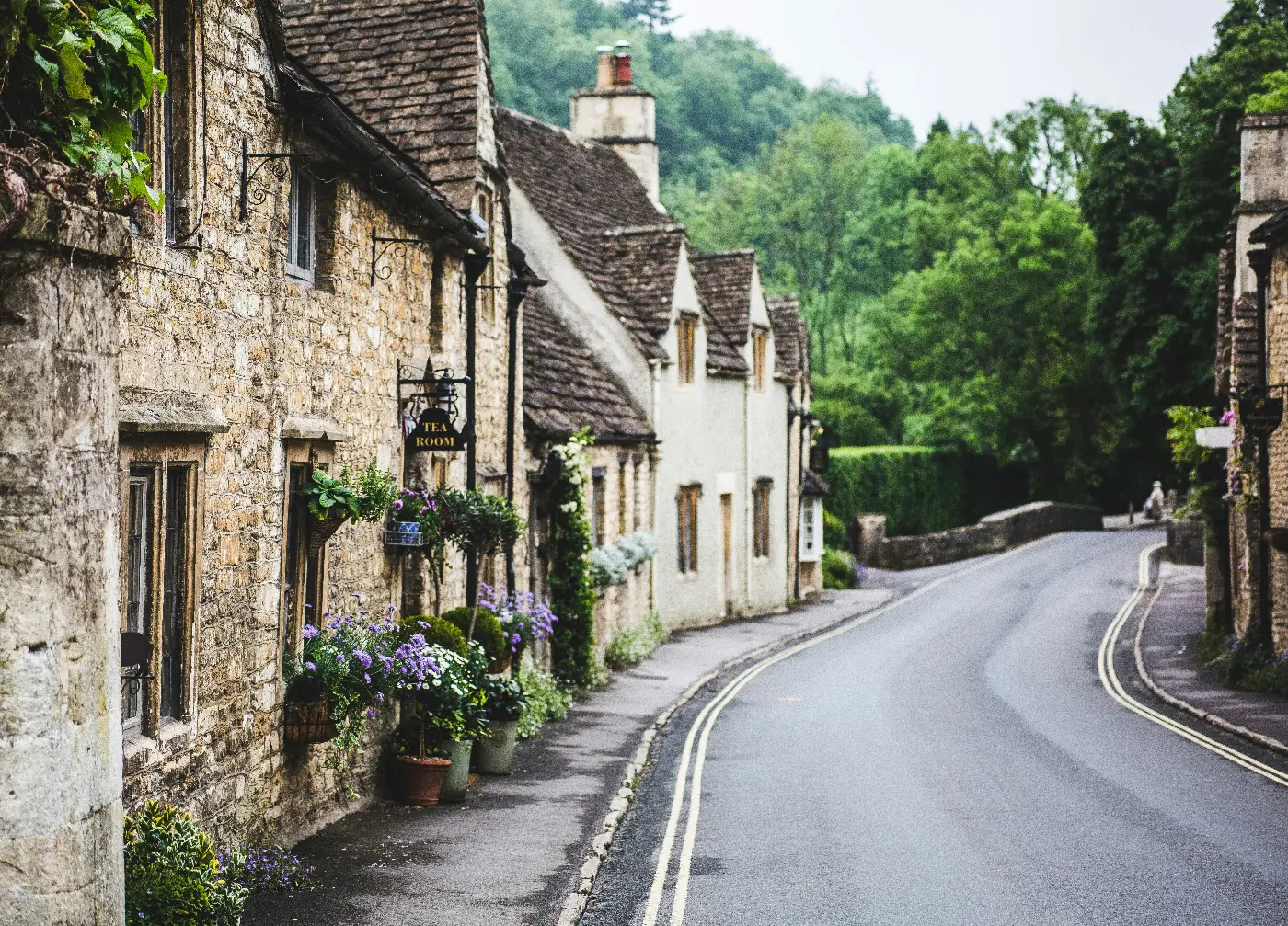
Besides London, I also visited Windsor, which is easy to reach by train. The town is the complete opposite of London: a calmer place, riverside walks along the Thames and an authentic feel of the English countryside.
London, first-hand
Guides and tips are useful, but you only really get London once you’re in its everyday rhythm. Logistics can get messy, the Underground (“the Tube”) at rush hour is the real deal and nights are often long, ending late hours.
During my month-long stay, I gradually got to know this larger-than-life metropolis and wrote down experiences about arriving, living in Shoreditch and taking part in the international event London Drum Show.
Highlights

London
A city where it feels like every street has its own soundtrack. I experienced it as a mix of classics and everyday life — walks, parks, and (un)planned wandering.
- A longer stay gives you time to discover the city’s hidden corners.
- The cultural scene is strong — a real magnet.
- Tradition is present at every step.
- With a bit of digging, you’ll find “hidden” foodie spots.

Music scene
London has a strong and diverse music scene that goes beyond classic concert formats. Alongside big events, the city also offers specialised fairs, workshops and meetups that are interesting both for listeners and active musicians.
- Music nights and events for every taste.
- Great for major concerts or intimate live sets in selected venues.
- One of the biggest drum fairs in the world: London Drum Show.

City icons
Some London venues have outgrown their original purpose and become city icons. Today they’re living intersections of events, architecture and experiences, constantly captured by phones and cameras.
- The iconic Wembley Stadium.
- Another iconic event venue: The O2 Arena.
- The “Millennium Wheel”, better known as the London Eye.
- One of the world’s most famous bridges: Tower Bridge.
Plan
A simple plan for a short visit
3 days
London, with enough room for walking.
- Visit Buckingham Palace and see the Changing of the Guard.
- Two days for the main city landmarks.
- A market/neighbourhood visit and an evening walk along the Thames.
5 days
London + a trip to Windsor.
- Two days for London sights and a market/neighbourhood visit.
- Two days for museums and a cultural event.
- One day: Windsor and/or the countryside.
7 days
London, deeper — more neighbourhoods, more rhythm.
- One day: Windsor
- Three days for sights and a market/neighbourhood.
- Two–three days for museums and different cultural events.
- One day to unwind in a park and/or take a countryside trip.
Practical
How to get around London

Oyster / contactless
The easiest option is contactless payment with a card, phone, or an Oyster card.
The system automatically calculates the best daily cap if you stay within the same zones. It’s smart to keep an eye on your Oyster balance.
- Tap in and tap out — no paper tickets.
- Daily capping is calculated automatically.
- Works on buses, the Underground (“Tube”), and the Overground.

Underground & Overground
The Underground is fast and convenient, but at rush hour it can get packed. The Overground is often a more relaxed experience, especially if you’re staying outside the centre. It’s still worth checking alternative routes if the Overground isn’t running.
- Google Maps or Citymapper is enough.
- Walking can sometimes feel less chaotic than the Tube.
- Renting a bike is a legit option.

Airports & arrival
Stansted and Luton are common choices for low-cost flights. The train to the centre is practical, though the first day can be a bit logistically demanding.
- Stansted Airport → Trafalgar Square: approx. 63 km.
- Luton Airport → Trafalgar Square: approx. 52 km.
- Check night connections.
Ideas
What to do in London?
London is best “read” by neighbourhoods
- Shoreditch/Hackney: street art, great coffee, and social nights.
- Greenwich: parks and open space for recreation.
- London Eye for a panoramic city view.
- Notting Hill/Camden: colourful streets and Portobello Market.
For musicians
London is a music mecca
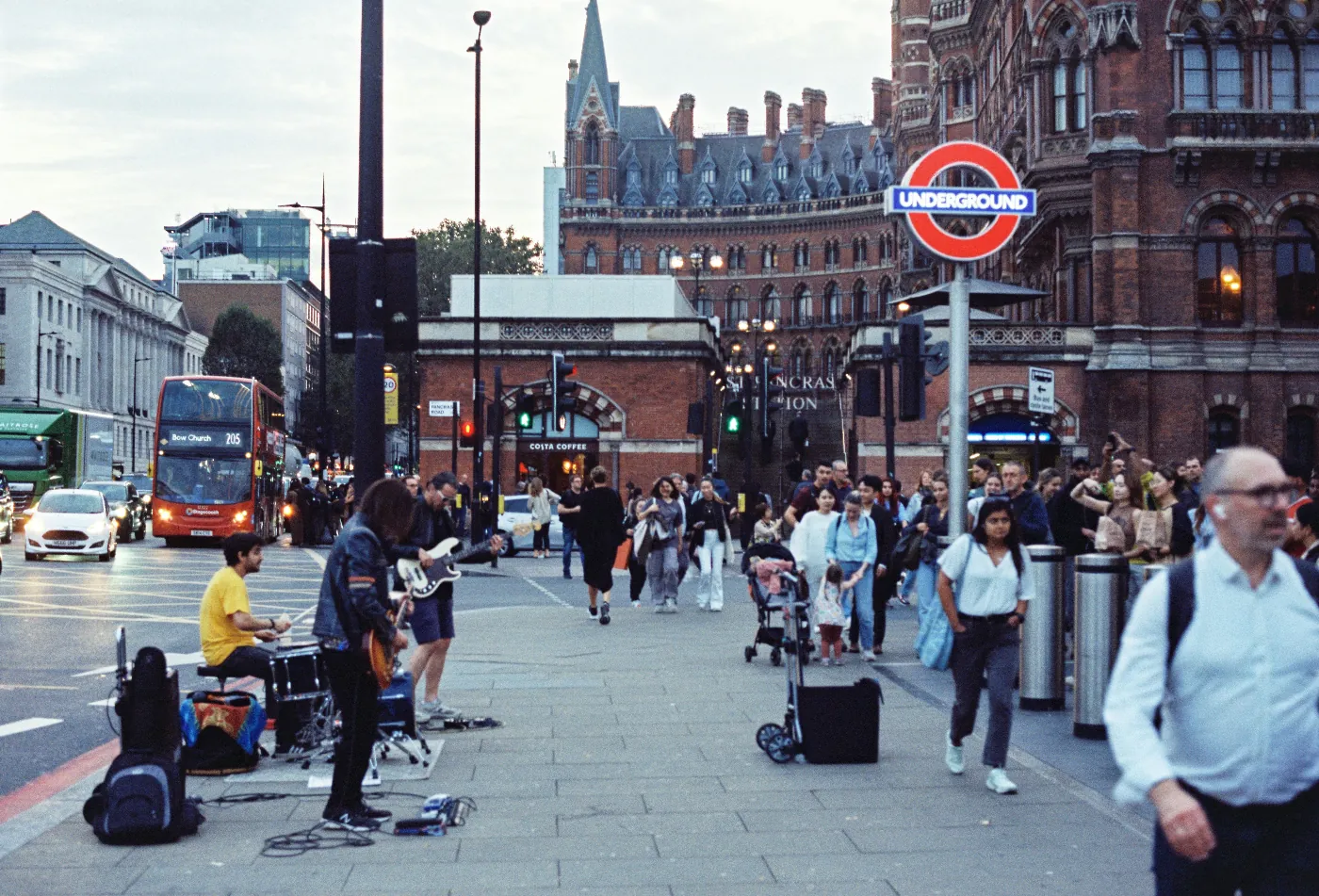
In London, something happens every night — everywhere — nearby. At The Blues Kitchen Shoreditch I caught an amazing concert by Michelle David & The Gospel Sessions, a band whose infectious gospel/soul/funk energy filled the place. Club is known for putting live music front and centre.
Even more intimate was a drummers’ night at Hideaway London — a place where jazz, funk, and groove get time and space. Hearing players like Colin Woolway, Darrin Mooney and Vince Dunn in such a setting is a special feeling.
All of this is yet another reason why London isn’t just inspiration but a real lesson. The drum scene there isn’t distant; it’s open, alive, and connected. It was at the London Drum Show that I met Colin Woolway, gave him my drum handbook and that later led to an invitation to a drummers’ night at Hideaway.
For the curious
Best museums in London
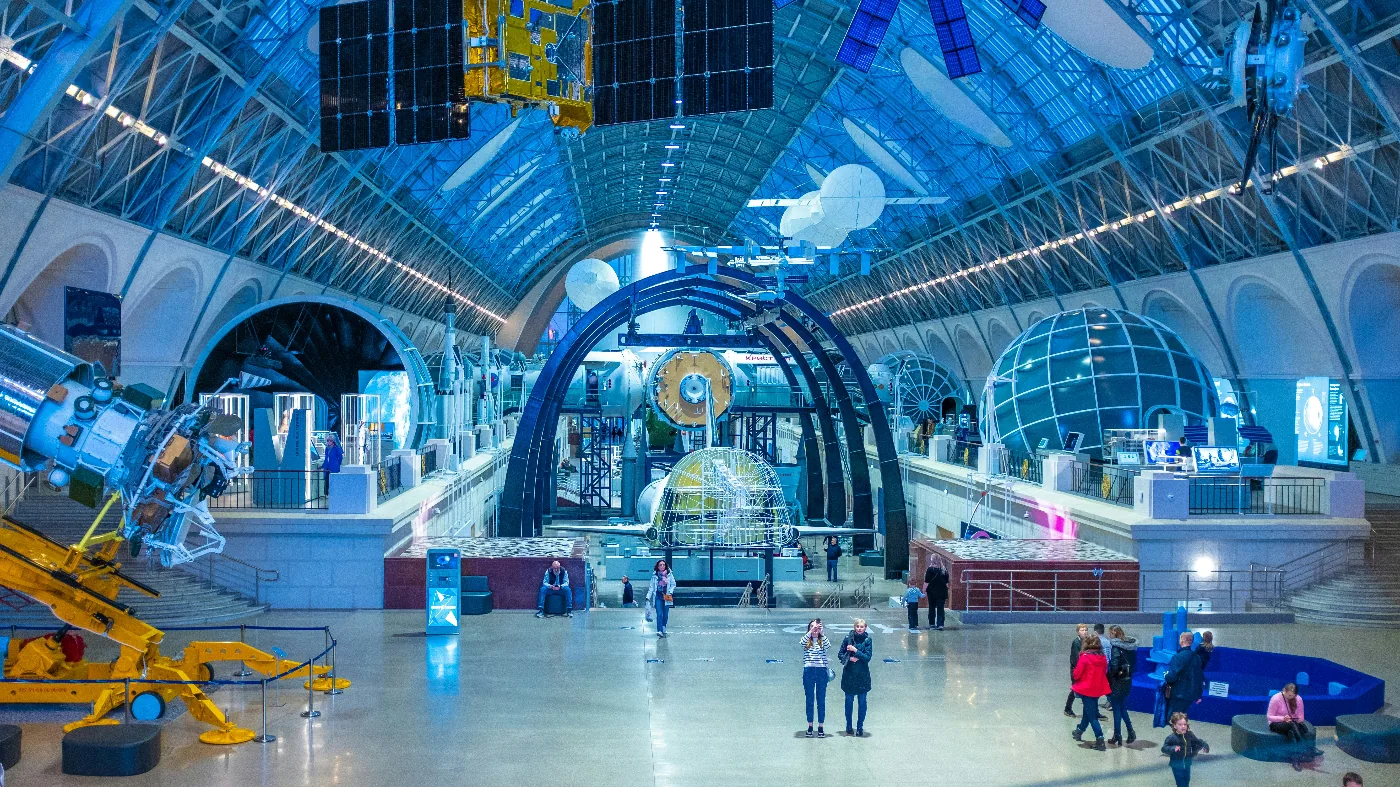
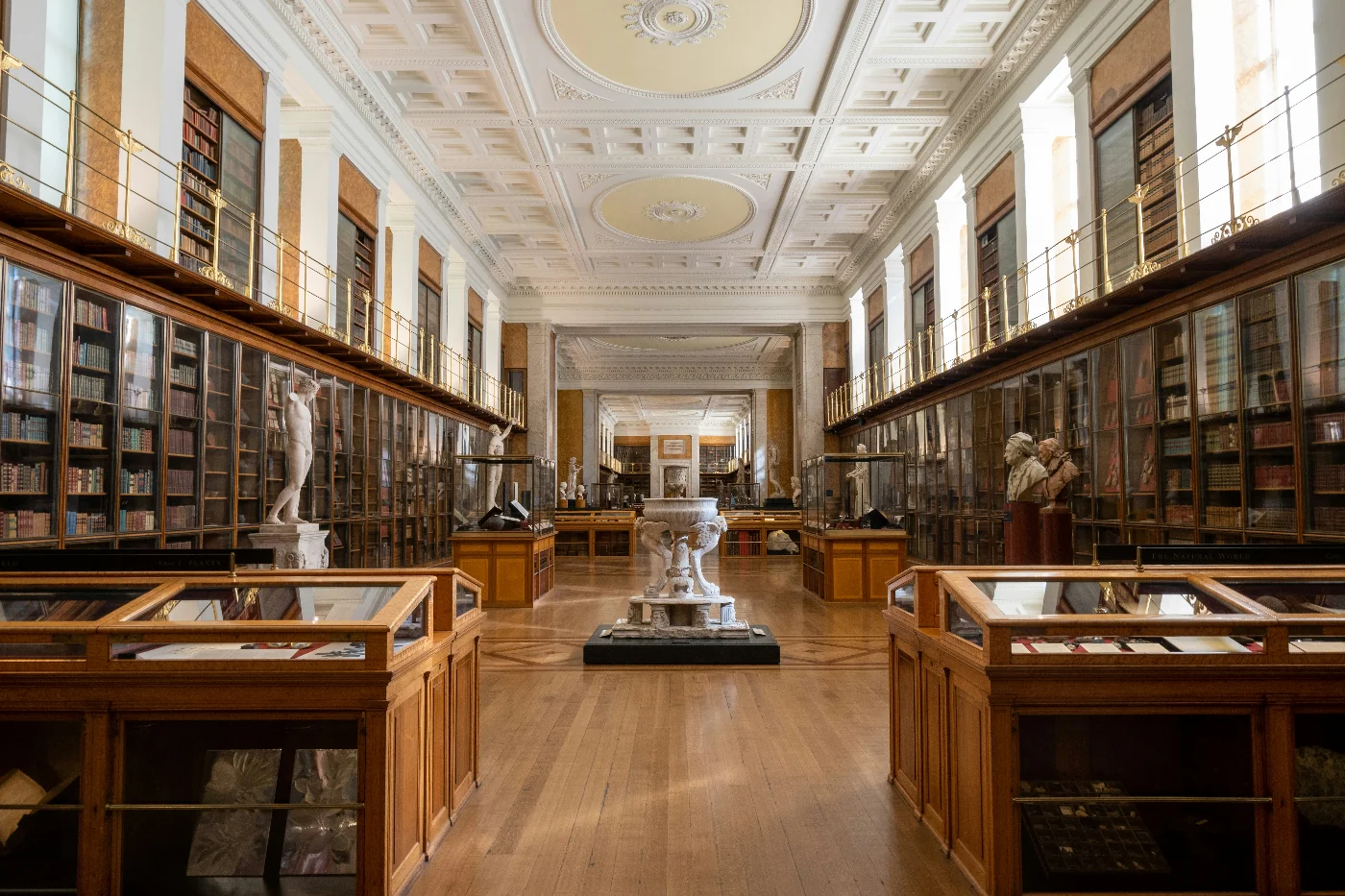
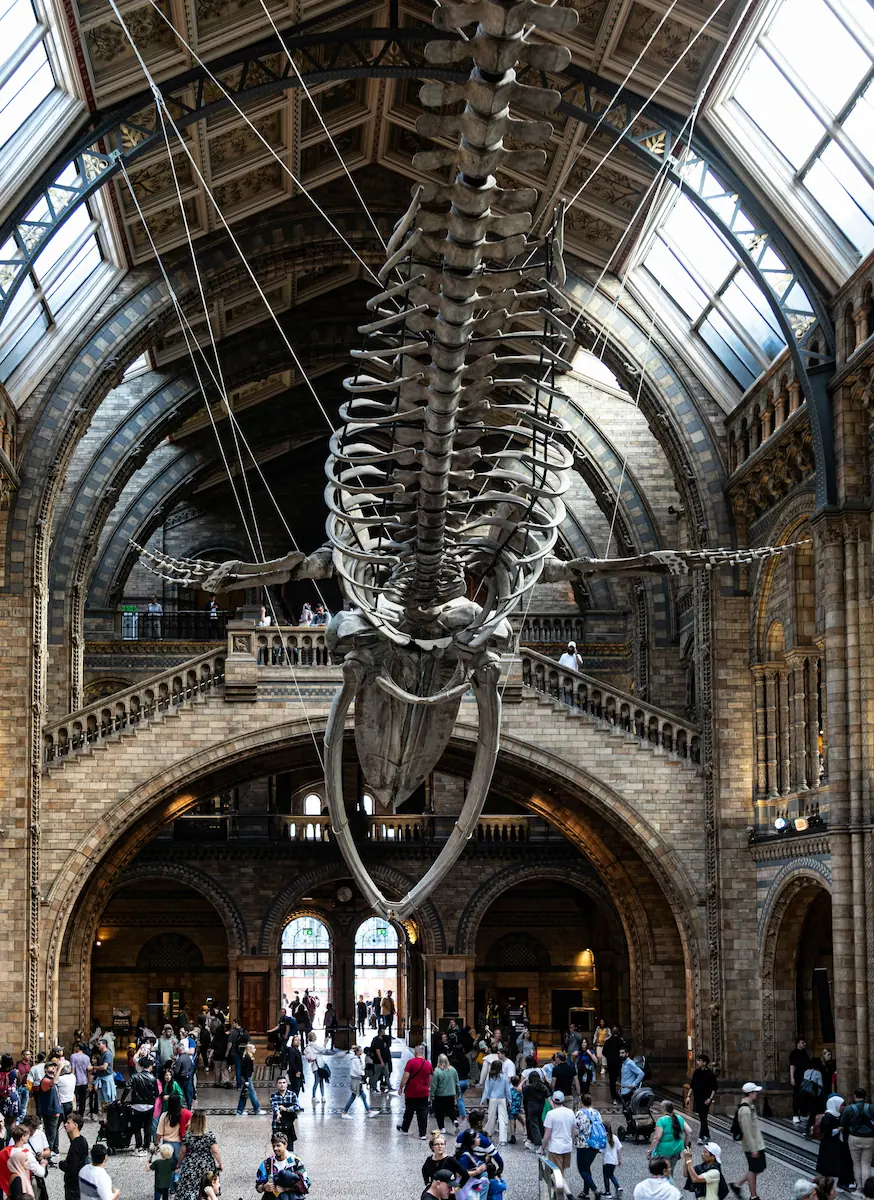
London is one of the rare cities where you can switch from history to science, from art to design, and from the past to the future — all in a single day. Most key museums are free, so you can also drop in spontaneously for an hour or two.
-
British Museum
Holds more than 8 million artefacts from around the world — from Egyptian mummies and the Rosetta Stone to ancient sculptures. Because it’s so vast, it makes sense to pick one or two collections and take your time. -
Tate Modern
A modern art museum in a former power station on the Thames, with a permanent collection and major temporary exhibitions. The architecture and the views around the museum are a bonus. -
Natural History Museum
A London icon with a spectacular building and one of the world’s largest natural history collections. Favourites include dinosaurs, fossils, minerals and interactive exhibits about natural phenomena. -
Science Museum
A museum of technology, science, and innovation with more than 300,000 items on display – from space modules to the history of medicine. Great for kids of all ages (including grown-ups).
Photo gallery
Snapshots