
Serbia
Serbia
Serbia at a glance
Serbia opens up beautifully on a first visit: between the Danube, the urban rhythm of its capital, and the mountain west around Tara, the Drina and Mokra Gora. Novi Sad is the best introduction to Vojvodina, Belgrade adds bigger energy and deeper historical layers, while western Serbia brings in the Drina, Tara and the kind of places where the country feels simpler, quieter and more real.
- Best first choice: Novi Sad and Belgrade, because together they quickly show two very different rhythms of the country.
- Historical context: Serbia is easier to understand when you know it was an important part of the Yugoslav story. In Belgrade, that layer is still visible in museums, architecture and the memory of the 20th century.
- For 3–5 days: Vojvodina and the capital, with the option of a day trip to Fruška Gora or Sremski Karlovci.
- For a longer road trip: Tara, Mokra Gora, the Drina, the Šargan Eight, Drvengrad and Zlatibor.
- For a city break: Belgrade, because of Kalemegdan, Zemun, Skadarlija, the Sava and the Danube.


Serbia travel guide
Vojvodina in the north is the easiest first contact with the country. Novi Sad, Petrovaradin, Fruška Gora, Sremski Karlovci, Subotica and Palić connect naturally into day trips, while the pace is calm enough for a long weekend or a 3–5 day route.
Belgrade is more direct and more layered. Kalemegdan is the best introduction to the city: the fortress above the confluence of the Sava and Danube was shaped from the 1st to the 18th century, and today it feels like a huge viewpoint park. Knez Mihailova links Terazije with Kalemegdan and follows the traces of Roman Singidunum, Republic Square is the classic city orientation point, Skadarlija brings the bohemian evening, while Zemun adds a riverside counterweight with Austro-Hungarian streets and Gardoš.
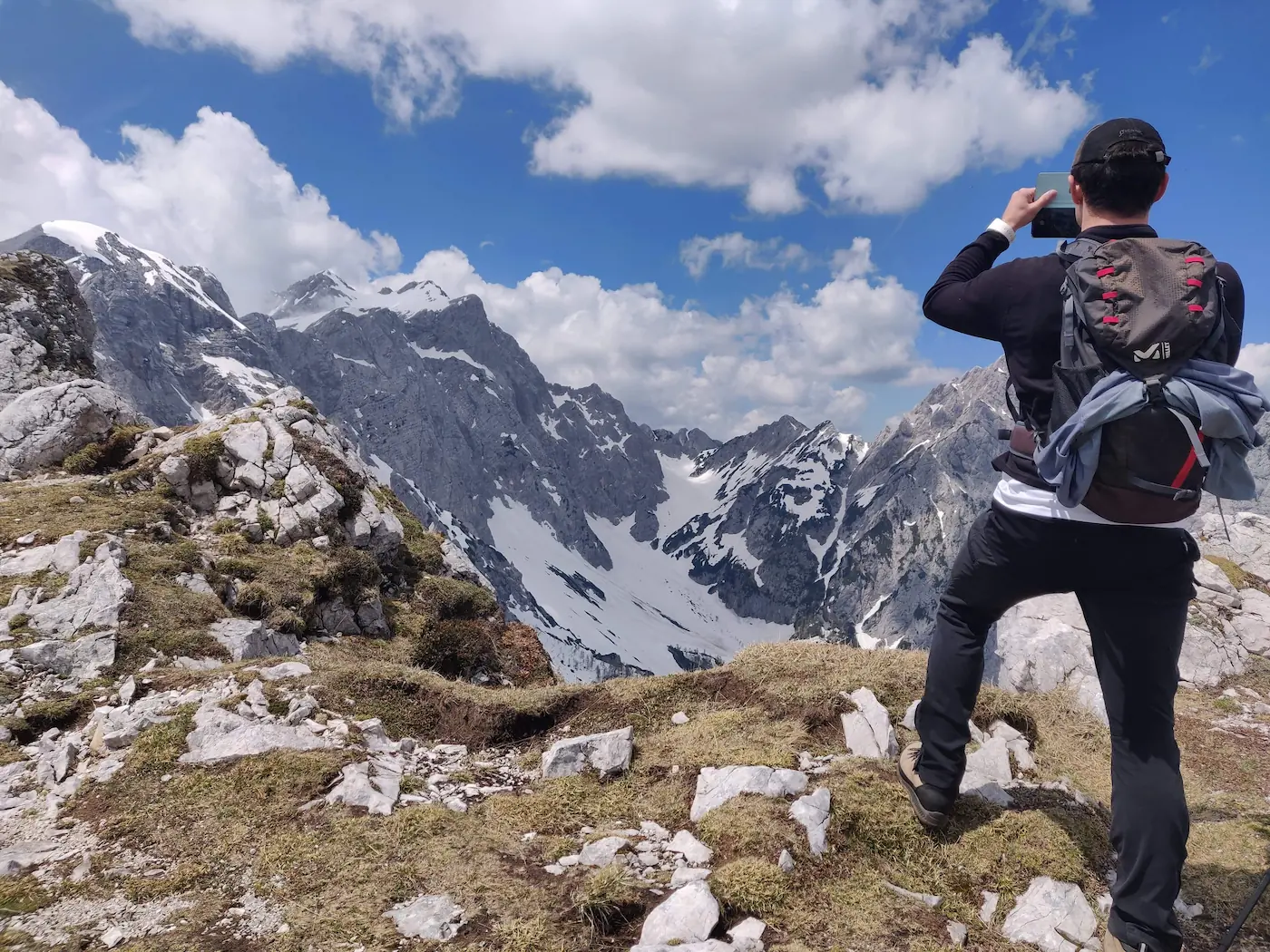
Western Serbia is not a quick add-on, but the part of the route where the city rhythm gives way to forests, the Drina and rural life. Tara brings together dense woods, Lake Perućac and viewpoints above the Drina canyon, with Banjska Stena as the perfect photo stop. Mokra Gora adds the Šargan Eight, a scenic narrow-gauge museum railway winding through tunnels, viaducts and mountain slopes.

Novi Sad
Novi Sad is the kind of city that grows on you quickly. It is not just a stop before Belgrade or a festival base, but a mix of Central European façades, an easy city rhythm and scenes that suddenly pull you back into another time. At one point, a donkey cart simply appeared in the middle of the road in front of us.
The most classic introduction is a walk across Freedom Square, between the city hall and the neo-Gothic Church of the Name of Mary with its 73-metre bell tower, then through Zmaj Jovina and Dunavska Street, past passages and cafés towards Danube Park. From there, the day naturally moves across Varadin Bridge towards Petrovaradin Fortress, where Novi Sad finds its most recognisable frame: the Danube, the old centre and the view.
Futoška Market or Najlon Market will satisfy every nostalgia hunter. Among antiques, second-hand finds and vinyl records, you can still find surprising pieces at even more surprising prices. The afternoon is ideal for the fortress, built between 1692 and 1780 as the “Gibraltar on the Danube,” with several kilometres of underground military galleries hidden beneath it. From the top, you get a beautiful view of the Danube, the old centre and the famous Varadin Bridge, while in summer the city reveals another side of itself at Štrand.
One of my strongest Novi Sad memories also comes from our accommodation during the festival: we stayed in one of the villas around Sremska Kamenica, or Tatarsko Brdo, which local media had linked to the confiscated Šarić property. Some of those buildings were later used for social institutions, rehabilitation programs for children and young people, and youth projects.
Belgrade
Belgrade should remain a contrast to Novi Sad. Serbia’s capital is bigger and more talked-about — but no less interesting because of it. The best starting point is Kalemegdan, because from the view above the confluence of the Sava and Danube you immediately understand why the city has mattered historically, and why so much of its energy revolves around the rivers.
From Kalemegdan, the first city loop continues along Knez Mihailova Street to Republic Square, and then the day can split in different directions. Skadarlija is good for a bohemian evening, traditional food and that old-Belgrade feeling. Zemun is slower: Gardoš, the tower, the Danube riverfront and fish by the river feel like a separate mini trip inside the city. The Church of Saint Sava is one of Belgrade’s most recognisable symbols and a good counterpoint to the fortress.
Add the National Museum, the oldest museum in Serbia, the Nikola Tesla Museum with its archive inscribed in UNESCO’s Memory of the World Register, Zeleni Venac or a walk along the Sava. Zeleni Venac is an old city market and one of the best quick glimpses into everyday Belgrade: fruit, ajvar, kajmak, honey, quick snacks and city bustle. Zemun almost feels like a city within the city — until 1934, it was a separate town. Gardoš and the Danube riverfront show another layer of Belgrade: less Ottoman and more Central European, with the feeling of a place that has still kept its own character.

Natural sights
Fruška Gora and Sremski Karlovci
Fruška Gora is the easiest nature escape from Novi Sad. It feels like a mix of national park, forests, monasteries, viewpoints, wine routes and countryside lunches. If you want a short but full day, combine one monastery, a short walk, a viewpoint and Sremski Karlovci. Karlovci is a small historic town with a Baroque centre, churches, a square, wine cellars and a quieter rhythm than Novi Sad.
Subotica and Palić
Subotica is the best northern contrast if you want to see a Serbia that does not feel like Belgrade or Novi Sad. The city is known for its Art Nouveau architecture: the city hall, synagogue, Raichle Palace and façades with Hungarian influences give the place a distinct character. Palić is a natural add-on for the same day: the lake, walking paths, old spa atmosphere, water tower, Grand Terrace and a slower ending to the trip.
Tara, Mokra Gora and Zlatibor
Western Serbia is best for an excursion. Tara brings forests, the Drina canyon, Lake Perućac and Banjska Stena as the most famous photo stop. Mokra Gora adds the Šargan Eight, a narrow-gauge museum railway that climbs through tunnels and bends along the slopes, while Drvengrad brings a film-and-ethno layer to the trip.
EXIT Festival
EXIT was, and will remain, the central story of Novi Sad.

About the festival
EXIT in Novi Sad was never just a music festival. It became one of the stories that gave the city a wider meaning. It began in 2000 in University Park as a student movement for democracy, peace and freedom, and after the political changes it moved to Petrovaradin Fortress in 2001. From there, for more than two decades, it connected music, youth, social activism and the image of Serbia abroad.
Its strength was never only in the names on the lineup, but in the place and the background. At the almost-too-small fortress, EXIT brought together around 200,000 visitors each year, with more than a thousand performers across forty stages and festival zones. It was repeatedly recognised as one of Europe’s most important festivals. At the same time, through the EXIT Foundation, it opened conversations around youth, peace, creative industries, the environment and social change.
That is why I find it hard to look at it only as a visitor. I performed at EXIT twice, and it remains one of those experiences you do not forget. The festival is still part of Novi Sad’s modern identity — proof that alongside history, the city also has a rebellious, open and youthful face.
Food
Classic favourites
The Serbian ritual often revolves around morning burek, yogurt or coffee and — of course — rakija. Lunch calls for grilled meat, bread, kajmak and ajvar. Balkan, Ottoman, Hungarian and Central European influences all mix here, which is why ćevapi, pljeskavica, sarma, burek, gibanica, proja, fish soup by the Danube and baklava all feel like part of the same story.
The most unmistakable Serbian signature is roštilj, grilled meat, especially famous in the south around Leskovac, where barbecue has almost the status of a local identity. Ajvar adds the smoky sweetness of roasted peppers, kajmak brings a soft dairy richness, and rakija is part of the toast, the hospitality and the ritual.
Wine and honey
On Fruška Gora, wine and local taverns feel like a more natural part of the day than rushing from one stop to the next. In Sremski Karlovci, it makes sense to try Bermet, an aromatic dessert wine considered one of the town’s most recognisable wine signatures, along with local varieties such as Grašac, Probus, Sila or Neoplanta. Vojvodina also has a strong countryside table: salaši and čarde.
If you want to add one more less obvious local detail, you will find it in honey. Fruška Gora linden honey has protected geographical origin, is known for its high share of linden pollen and belongs among monofloral linden honeys.

Itineraries
2 days · Novi Sad
If you only have a short break for Serbia, start with Novi Sad.
- Day 1: Freedom Square, Zmaj Jovina, Dunavska Street, the city centre, traditional coffee, lunch and an evening in the centre.
- Day 2: Petrovaradin Fortress, museums or ateliers, and Štrand in summer.
- Base: Novi Sad, ideally close to the old centre or with a good connection towards Petrovaradin.
- Transport: you do not need a car in the city. Walking or a taxi works well for the fortress and the centre.
- Good for: a first contact with Serbia, a weekend, the Danube and cafés.
3 days · Novi Sad, Fruška Gora and Sremski Karlovci
With three days, Novi Sad gets an extension.
- Day 1: Novi Sad — the old centre, Dunavska Street, a visit to the market, the Danube riverfront and an evening walk.
- Day 2: Petrovaradin Fortress, museums, views over the city, Štrand in summer or a visit to the market.
- Day 3: Fruška Gora and Sremski Karlovci — monasteries, viewpoints and food.
- Fruška Gora: the most popular stop from Novi Sad.
- Sremski Karlovci: good for a shorter historical and wine stop.
- Tip: for several places in the same day, a car or organised trip is the most practical option.
5 days · Novi Sad, Belgrade and Subotica
If you want to add a northern contrast to the first route, Subotica is a good choice.
- Days 1–2: Novi Sad — start at Freedom Square, continue through Zmaj Jovina and Dunavska Street to Danube Park, then cross the Danube towards Petrovaradin Fortress, its “drunken” clock tower and the view over the city. In summer, add Štrand or the city beach by the Danube.
- Day 3: Fruška Gora or Sremski Karlovci — a day for a slower rhythm between wine, monasteries, viewpoints and the Baroque centre of Sremski Karlovci. If you want a food stop, this is the right place for Bermet, family wine cellars and a homemade Vojvodina table.
- Day 4: Belgrade — start at Kalemegdan, because the view above the confluence of the Sava and Danube makes the city easiest to understand. Then continue through Knez Mihailova and Republic Square, and in the evening choose Skadarlija for a bohemian feel, Zemun for the Danube and Gardoš, or the Church of Saint Sava for a more monumental end to the day.
- Day 5: Subotica and Palić — a northern finish to the route: Subotica for its Art Nouveau architecture, city hall, synagogue and Raichle Palace, and Palić for the lake and the Grand Terrace.
6 days · Western Serbia
Almost a week is enough for Serbia to become more than a city break — a route across the Danube, the capital and western viewpoints.
- Days 1–2: Novi Sad — the old centre, Petrovaradin Fortress and a stop by the Danube.
- Day 3: Fruška Gora and Sremski Karlovci.
- Day 4: Belgrade — Kalemegdan, Knez Mihailova, Zemun or Skadarlija.
- Day 5: western Serbia, depending on your base.
- Day 6: Tara, Banjska Stena, Mokra Gora, the Drina, the Šargan Eight or Zlatibor.
- Tara: a green escape into forests, Lake Perućac, the Drina canyon and viewpoints, with Banjska Stena as the most recognisable stop.
- Mokra Gora: the excursion story of western Serbia: the Šargan Eight as a narrow-gauge museum railway through tunnels and bridges, with the wooden Drvengrad nearby.
Practical
Documents
- Visa-free: up to 90 days within six months from the first entry.
- For children: every child needs their own identity document.
- For non-EU travellers: before departure, check visa requirements, permitted length of stay and document validity.
- Road trip: keep your document within reach, especially if you combine Serbia with Bosnia and Herzegovina, Montenegro, Hungary, Croatia or North Macedonia.
Getting between places
Between Novi Sad and Belgrade, train and bus are usually the most practical choices without a car.
- Train: useful for connections between larger cities.
- Bus: often practical for places that are not on the main railway connections.
- Car: most useful for Fruška Gora, several stops in the same day and western Serbia.
- Novi Sad–Belgrade: a good axis for a first visit.
Driving tips
Serbia does not have a classic vignette for passenger cars. Tolls are paid on motorway sections according to the vehicle category and distance travelled, usually at toll stations.
- No vignette: for a passenger car, you do not buy a classic sticker or e-vignette.
- Tolls: the price depends on the vehicle category and distance.
- Payment: at toll stations, usually by cash, card or electronic system.
- Cities: in Novi Sad and Belgrade, a car quickly becomes a parking question.
- Trip: for Tara, Mokra Gora, the Drina, Zlatibor and several nature stops, a car is very useful.
Insurance
Serbia is not an EU member and this is not a typical trip inside the Schengen Area. Check what your insurance actually covers and how to proceed in case of urgent medical help.
- Before departure: check the validity of your health documents and additional travel insurance.
- Emergency help: save the assistance contact and your policy number.
- Trip: add cover for traffic complications, assistance, luggage and possible transport home.
- Offline copies: save your documents, policy, assistance contact and accommodation details.
Payments
The official currency is the Serbian dinar. Cards are useful in cities, but cash is still very practical for smaller places, markets, car parks, taxis, tips and more local stops.
- Cards: they work well in larger hotels, restaurants, shops and cities.
- Cash: keep it for smaller places, markets, parking, trips and local services.
- Exchange: use banks or verified exchange offices and check the rate.
Emergency numbers
Save emergency numbers before departure, together with your accommodation contact, insurance contact and a copy of your documents.
- 112: single emergency number.
- 192: police.
- 193: fire brigade.
- 194: emergency medical assistance.
Charity Without Borders

When music crosses borders
In 2014, Novi Sad also became a place of charity and connection. With a band from Kranj, we took part in a benefit festival for flood victims in Serbia, Bosnia and Croatia.
Six bands performed at the festival, and the money raised went to children and young people who needed help the most after the floods. That is how the best travel memories are made — often not only through places, but through the people and stories connected to them.