When Music Becomes Therapy
Music as Medicine: Learning, Healing, and the Power of Rhythm
Back in October, I wrote about a student who stands out due to her age — or, more accurately, her life experience. What also sets her apart is the fact that she lives with Parkinson’s disease. But that’s not the whole story.
When she first called me a little over two months ago, I honestly didn’t know what to think — let alone what to expect. The options felt simple: “take it or leave it.” Because I had fewer students at the time, and because of the challenge itself, I decided to accept the opportunity despite a certain level of uncertainty. I had no idea that, right from the beginning, I would be placed in a situation where teaching could turn out to be an even greater challenge than learning was for her. As it turned out, however, the differences compared to other students were minimal. The only noticeable factor was quicker fatigue. What truly surprised me was her dedication — she willingly practised exercises that I wasn’t sure she would be able, or even want, to do given her condition. Well, she proved me wrong.
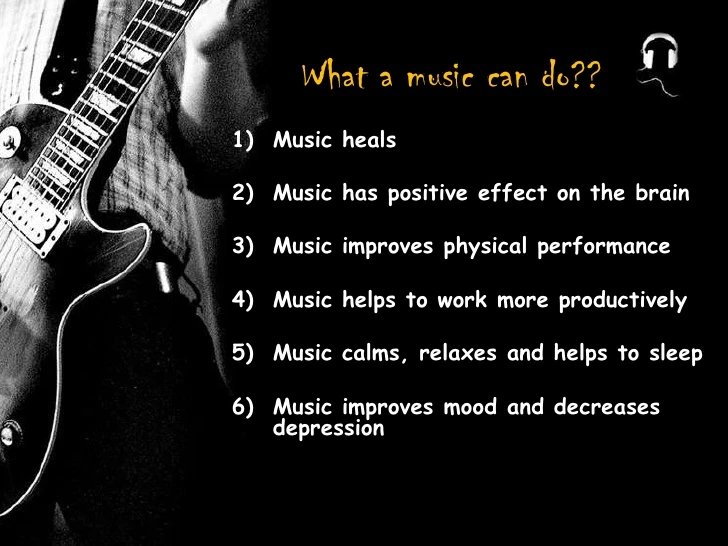 It might sound as though I’m exploiting the situation, but this very experience led me to the idea of incorporating research on brain activity into the learning process. At first, the idea seemed almost crazy — overly ambitious, even — but in today’s world, very little is truly impossible. With that mindset, I took the first step and began researching the subject together with my student, gaining valuable insights along the way. There is already a significant body of research on music, and one widely accepted fact stands out: music undeniably has healing effects. Some respected physicians even use it deliberately as part of treatment. Rhythm stimulates brain waves, meaning the patient’s mind is simultaneously activated and relaxed. This can help reduce anxiety, nervousness, and even symptoms of depression. Learning more about these processes feels not only useful, but necessary.
My student also shared that she has attended various events around the world focused on Parkinson’s disease and the effects of musical instruments in therapy — including events in the United States, where she met the well-known actor, producer, and activist Michael J. Fox. He has reportedly invested significant funds into research and has played a major role in the development of treatments now available on the market. Many others were present as well, people who had successfully benefited from music-based approaches. One case, however, involved attempts to “manipulate” the brain using electrical impulses. While the condition initially improved, it later resulted in schizophrenia. If I ever have to choose, I’ll gladly stick with music.
That said, my curiosity — something I can’t quite get rid of — keeps pushing me to wonder what happens during more complex tasks, especially those faced by drummers. From a financial perspective, this kind of research is currently beyond my reach. Still, there is so much left unknown in this field, which only makes it more intriguing. Allowing myself to dream for a moment: if one day a foreign investor were to provide the resources needed to explore this properly, it would undoubtedly become one of the most valuable references of my career.
Opportunities always exist — for now, though, the focus remains on gaining experience and knowledge in the real world.